




1. What is tapering and how does it work?
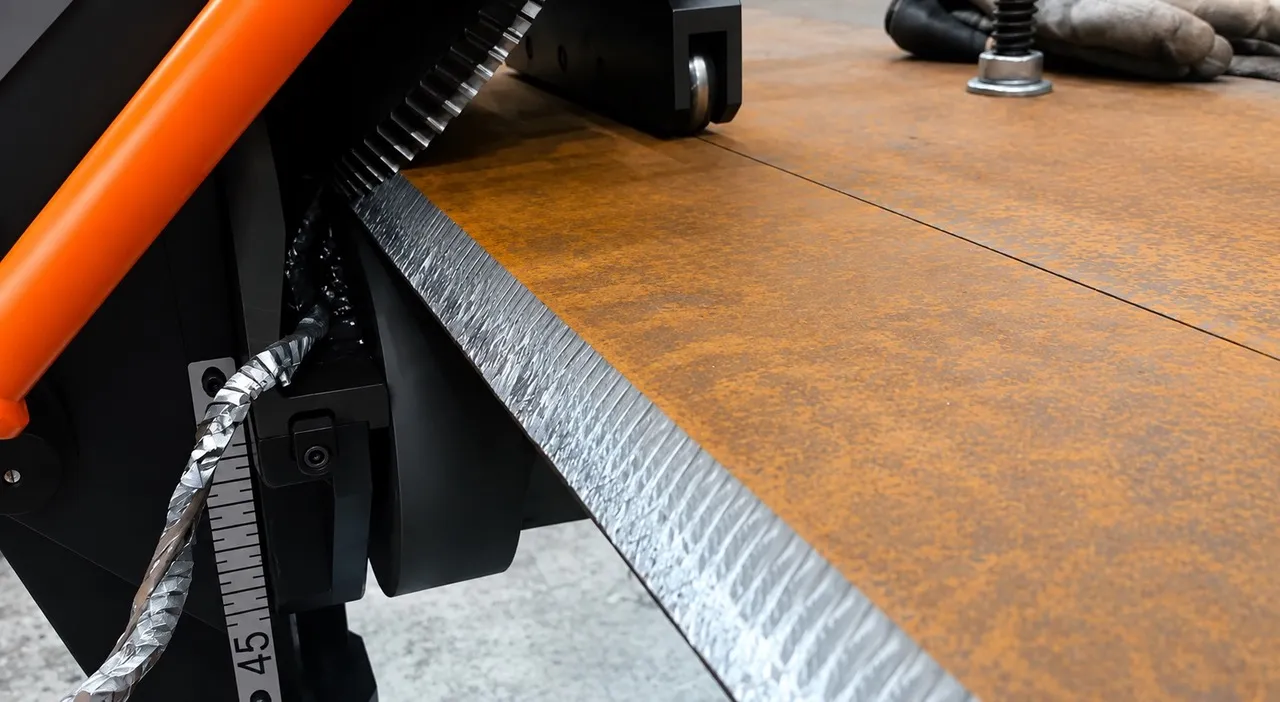
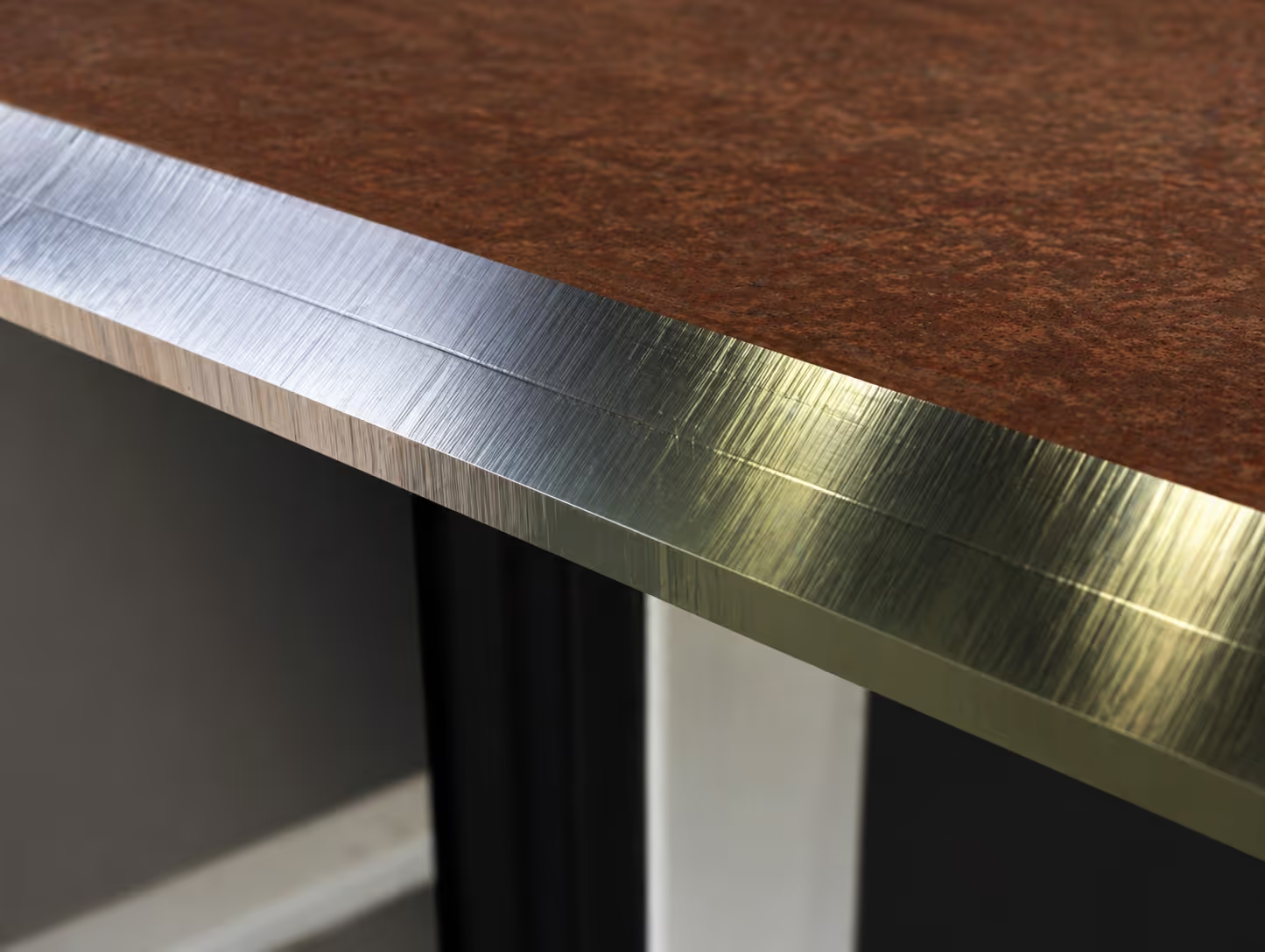
Tapering involves machining a thicker steel plate so that its thickness gradually decreases to the required dimension.
A typical example is joining two plates with thicknesses of 30 mm and 20 mm. Instead of creating a sudden step between the two plates, a tapered transition is machined into the thicker plate, allowing the two components to be joined more smoothly.
This eliminates an abrupt geometric change and creates a more suitable structural detail.
2. Why is tapering important in bridge construction?
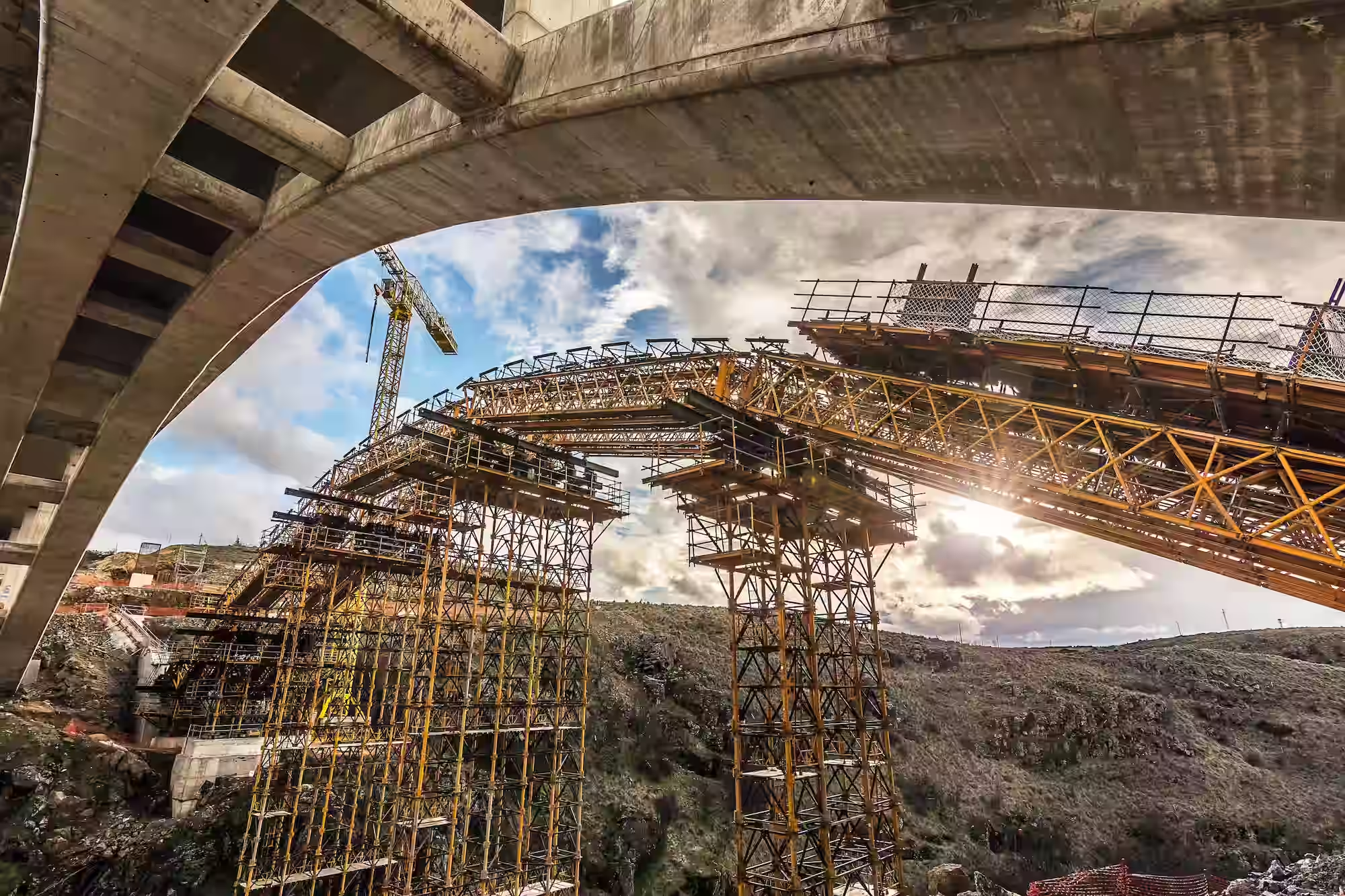
Throughout their service life, bridge structures are exposed to repeated dynamic loading, primarily from road and railway traffic. The quality of structural details therefore has a significant impact on their long-term reliability.
The main benefits of tapering include:
- Reduced stress concentration: A gradual transition reduces the adverse effects of sudden changes in cross-section.
- Improved fatigue resistance: A properly designed detail can reduce the risk of fatigue crack initiation.
- Better welding conditions: It provides suitable geometry for joining plates of different thicknesses.
- Weight optimization: Thicker material can be used only where it is structurally required.
- Structural accuracy: It helps achieve the required geometry and alignment of individual bridge girder components.
3. Typical applications of tapering
Tapering is particularly useful in the manufacture of:
- bridge girders and their flanges;
- welded steel beams;
- structural components with variable cross-sections;
- large welded steel structures;
- components requiring the connection of plates with different thicknesses.
Large bridge structures frequently use steel plates several tens of millimetres thick. Machining accuracy and the quality of transition surfaces are therefore particularly important.
4. Which technologies are used for tapering?
Tapering can be performed using several manufacturing technologies. The choice depends on the required accuracy, plate dimensions, amount of material to be removed and required surface quality.
CNC milling
One of the most suitable methods for producing accurate and repeatable thickness transitions. It allows precise control of the transition geometry and provides a high-quality machined surface.
Gantry milling
Particularly suitable for large-format and long steel plates. It allows manufacturers to machine oversized components and produce long tapered surfaces.
Grinding
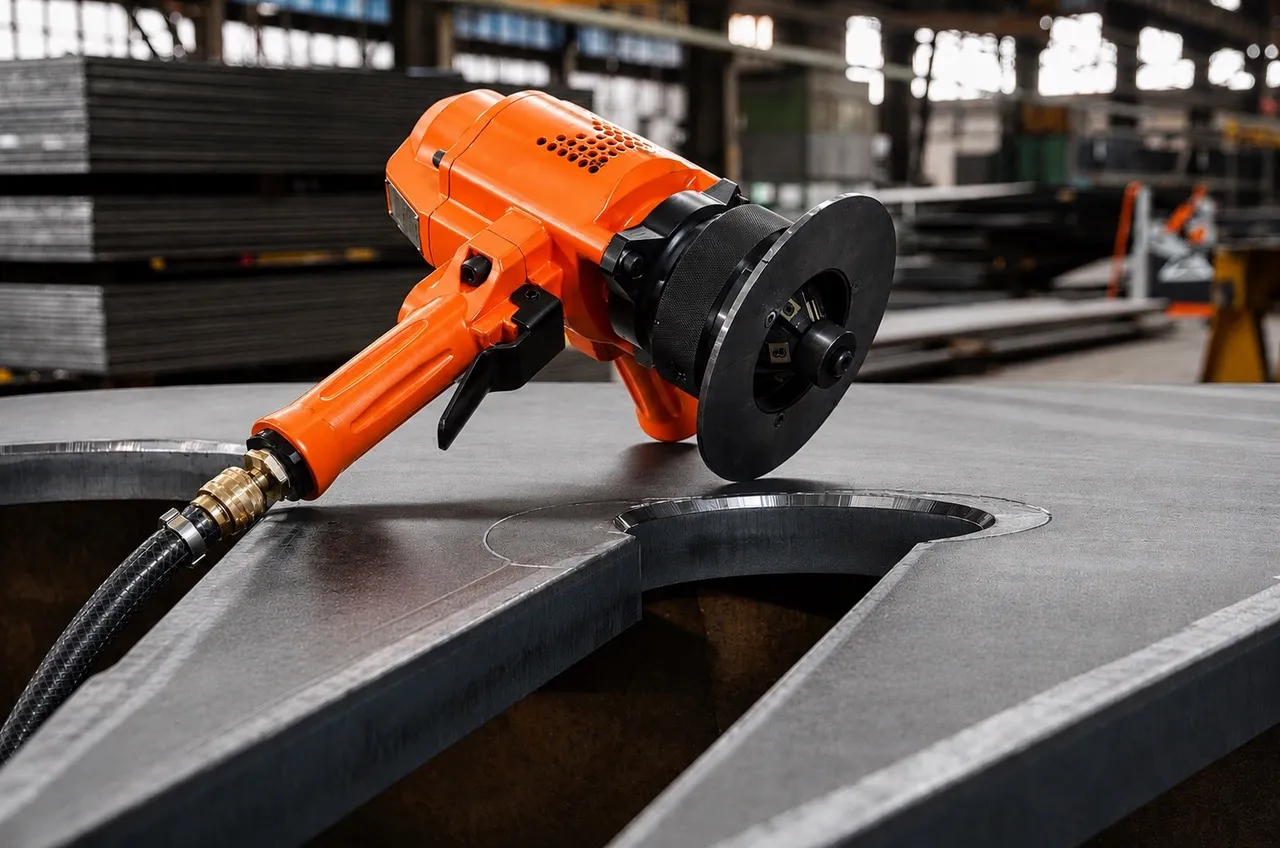
Can be used for surface finishing and removing minor irregularities.
Plasma and oxy-fuel cutting
These processes can be used for rough material removal or preliminary shaping. However, additional machining may be necessary to achieve the required final geometry and surface quality.
5. UZ100 Bold by N.KO – A solution for tapering applications
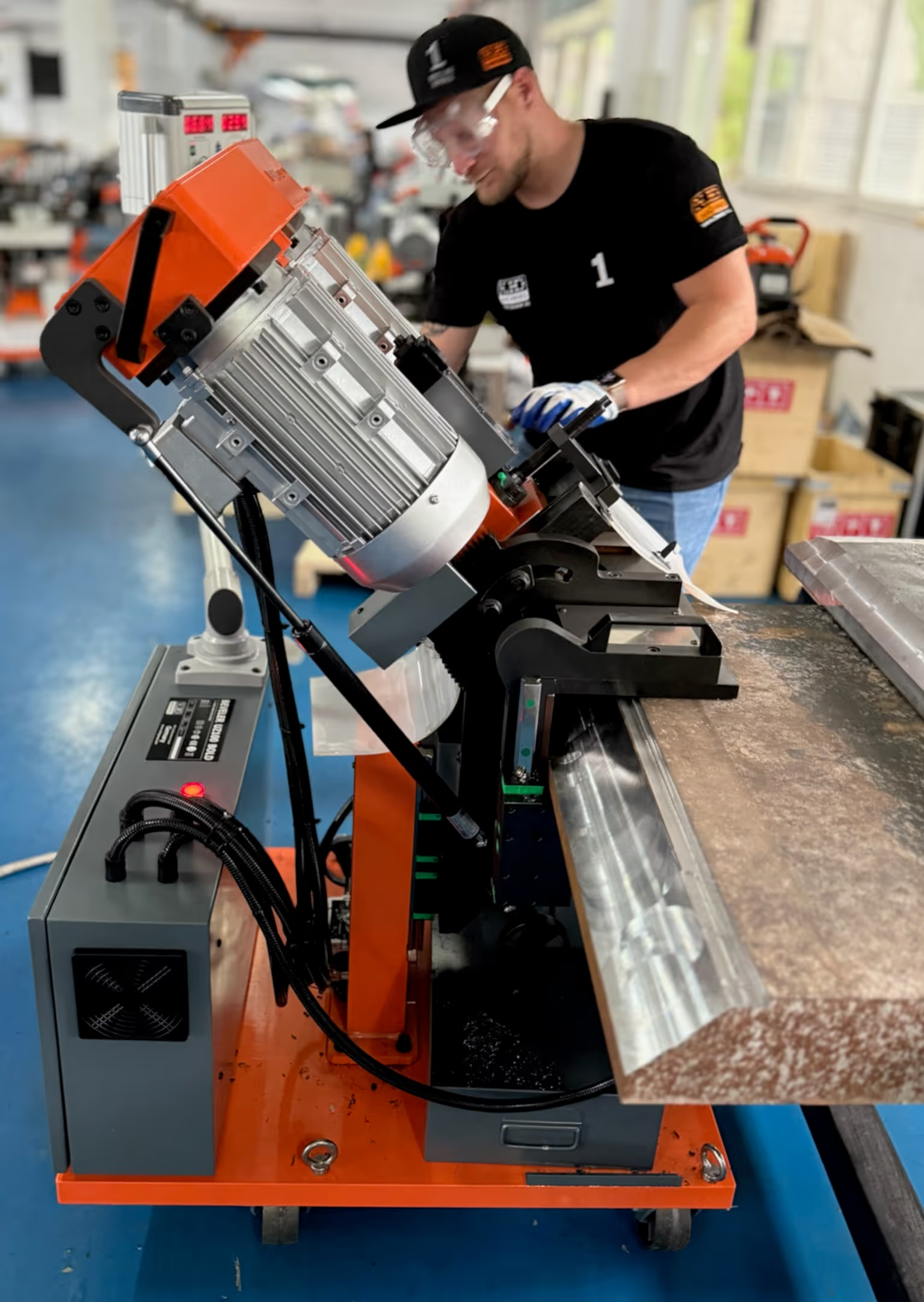
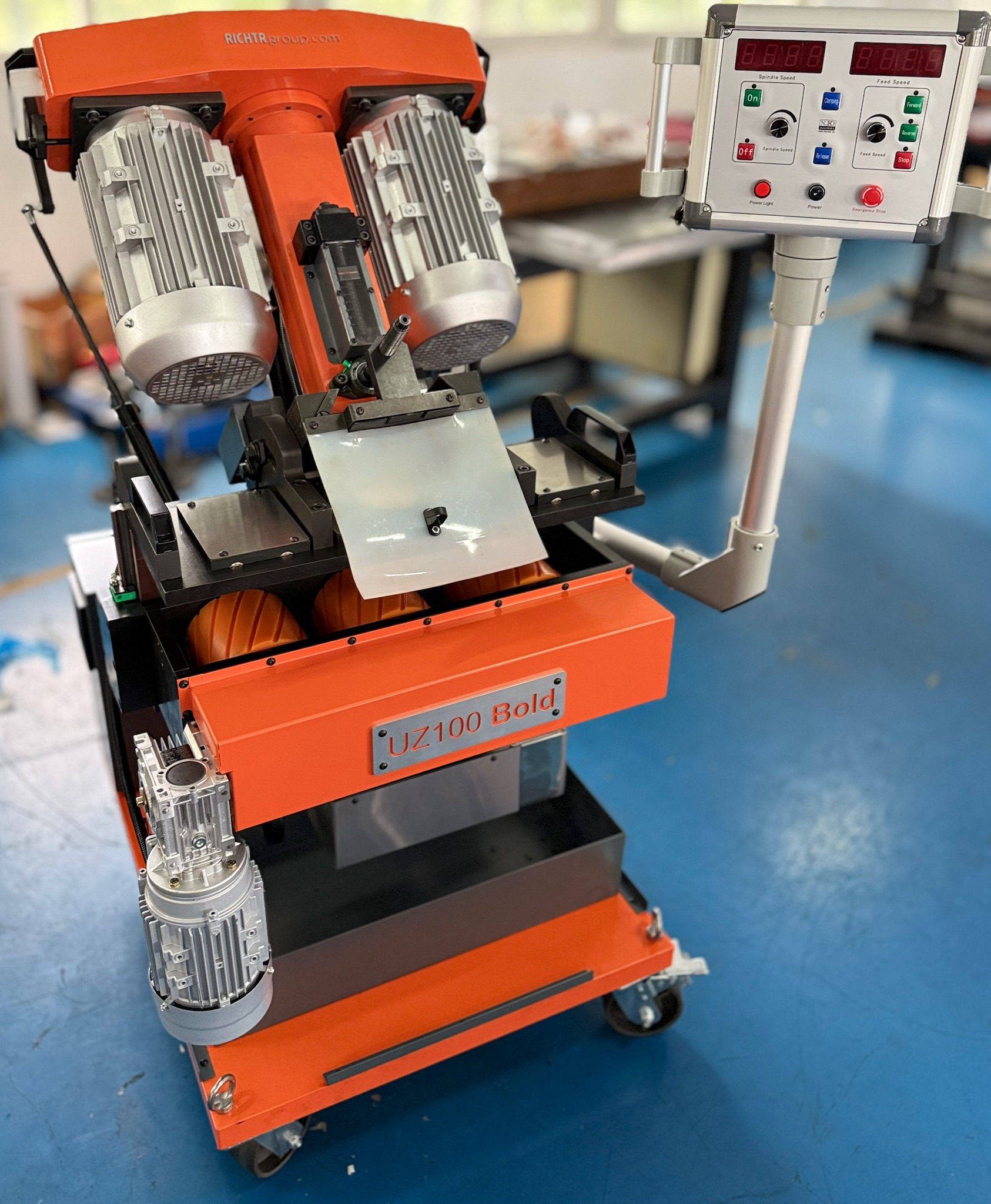
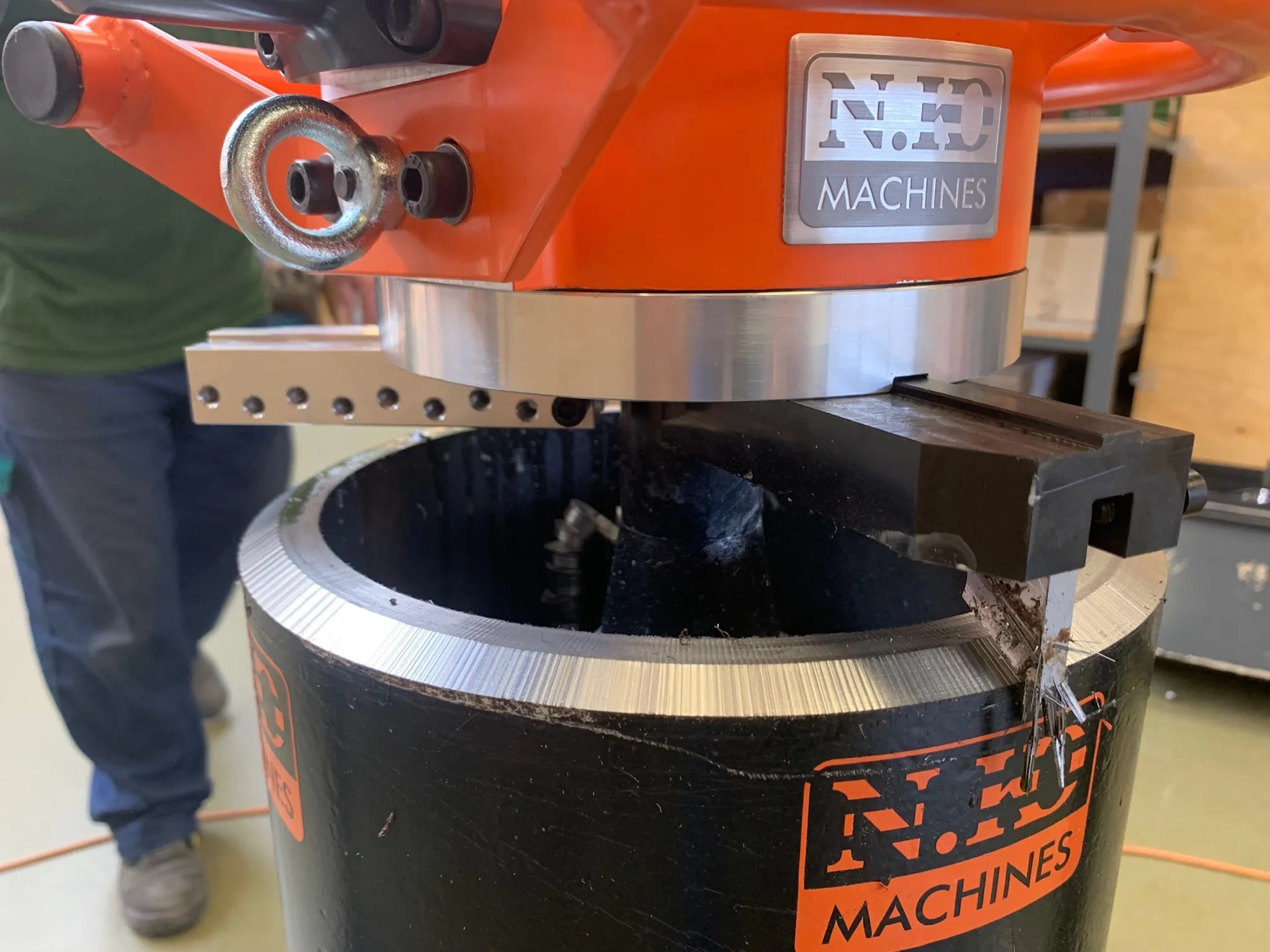
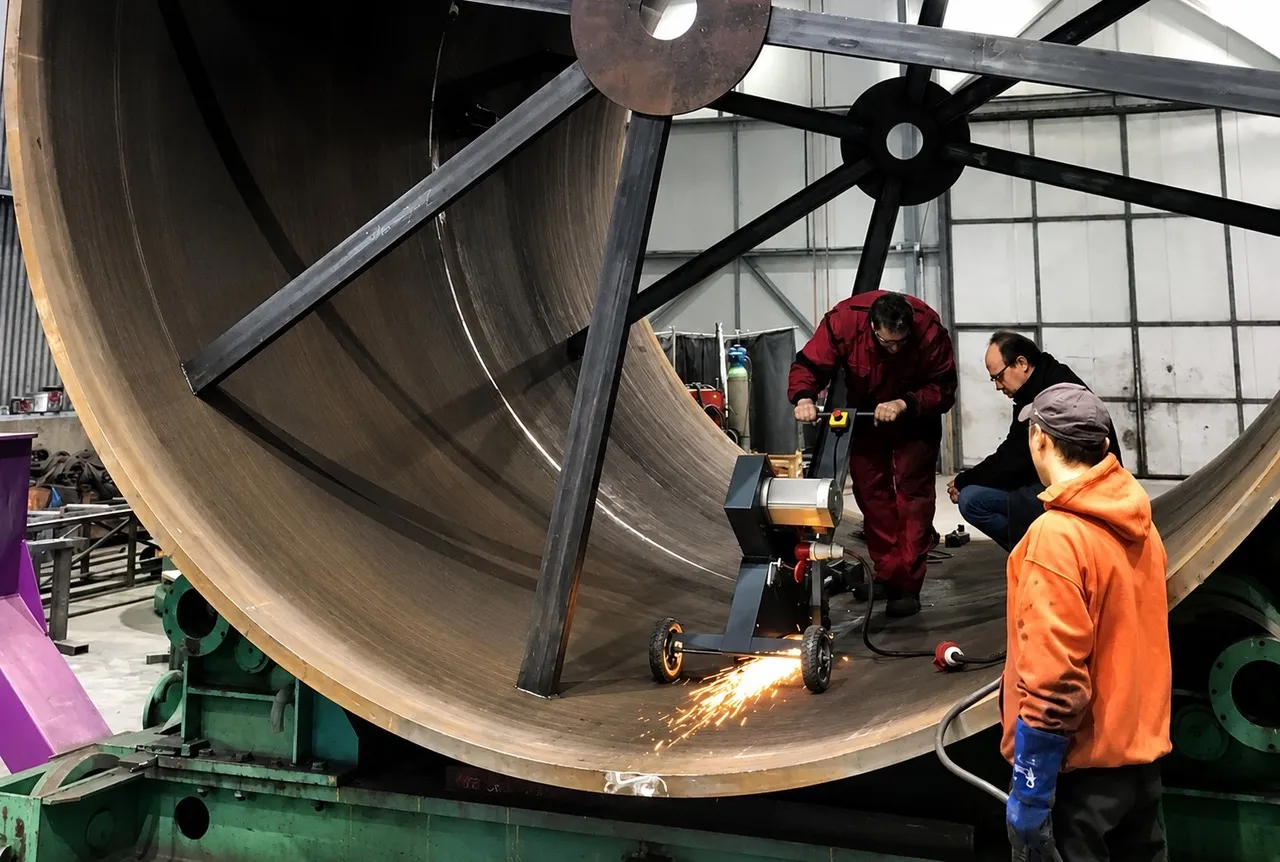
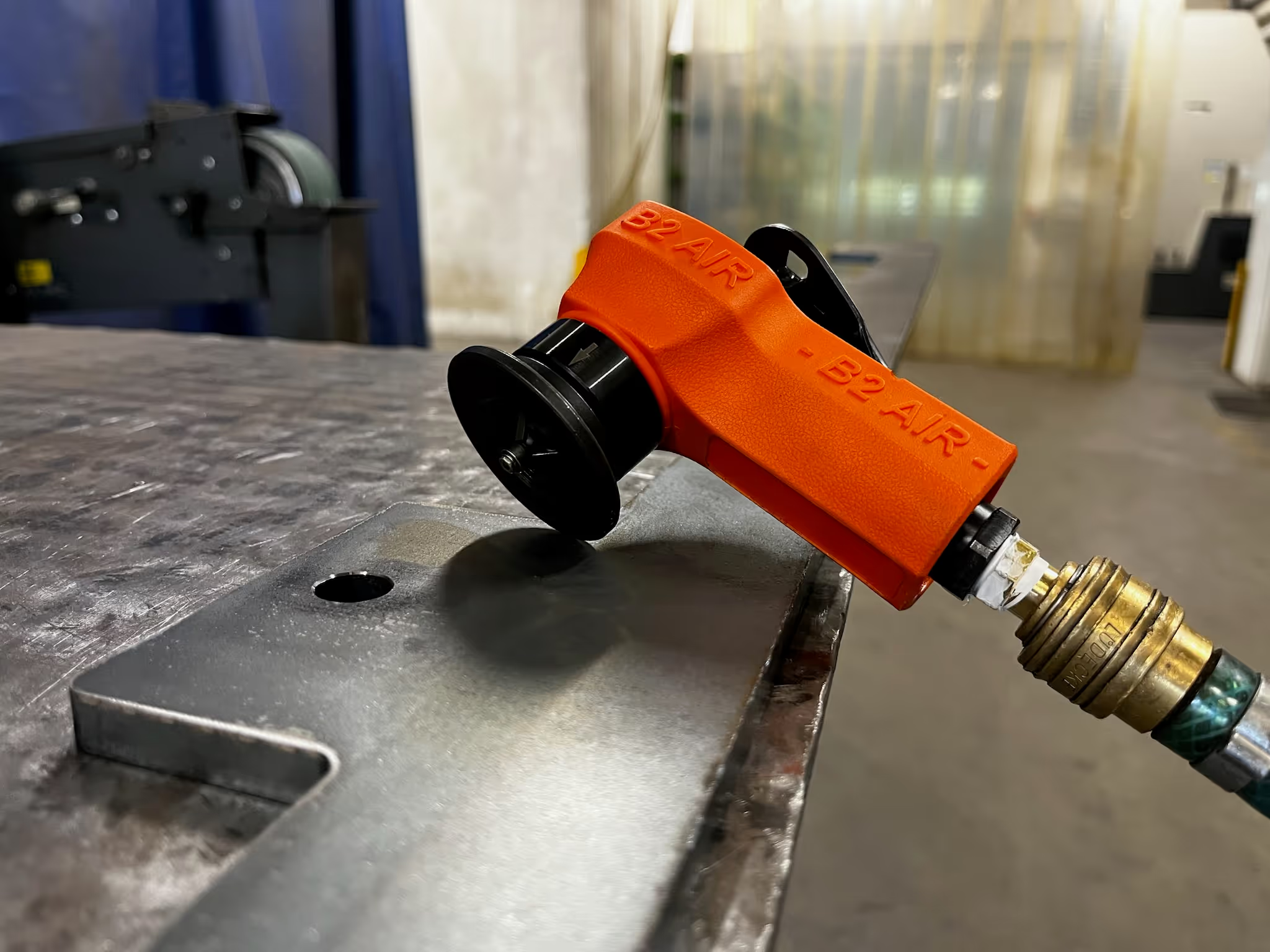
For steel structure manufacturers looking to create precise transitions between different material thicknesses, N.KO offers the UZ100 Bold.
This machine supports tapering applications in the mechanical machining of steel plates. It provides an interesting solution for manufacturing facilities that need to prepare material for subsequent welding operations and achieve the required geometry of transition surfaces.
Mechanical machining allows manufacturers to exercise greater control over the final geometry and surface quality compared with thermal cutting alone.
The UZ100 Bold expands the possibilities of mechanical machining in demanding steel fabrication environments, offering manufacturers a practical solution for tapering applications.
6. Transition geometry and accuracy requirements
One of the most important tapering parameters is the slope of the transition.
For example, with a thickness difference of 10 mm, the following geometric transition lengths can be used:
Transition slopeTransition length1 : 440 mm1 : 550 mm1 : 10100 mm1 : 20200 mm
The required slope depends on the structural design, joint location, loading conditions, weld type and fatigue resistance requirements.
Relevant standards also play an important role. These include EN 1993-1-9, which addresses the fatigue strength of steel structures, and EN 1090-2, which specifies technical requirements for the execution of steel structures.
The values above are geometric examples, not universal manufacturing requirements.
7. Tapering as part of modern steel fabrication
As requirements for service life, safety and manufacturing efficiency continue to increase, precision machining of steel plates is becoming increasingly important.
Tapering is more than simply removing the height difference between two plates. It is an important manufacturing process that affects the final geometry of the structure, joint quality and long-term reliability.
For bridge manufacturers, CNC machining offers an effective way to achieve the required accuracy, repeatability and surface quality. The UZ100 Bold by N.KO is one of the solutions designed to support this type of application.
Today, machining precision is not just a matter of manufacturing quality. It is also an essential part of the safety and durability of modern steel structures.