angielski
Pytać się
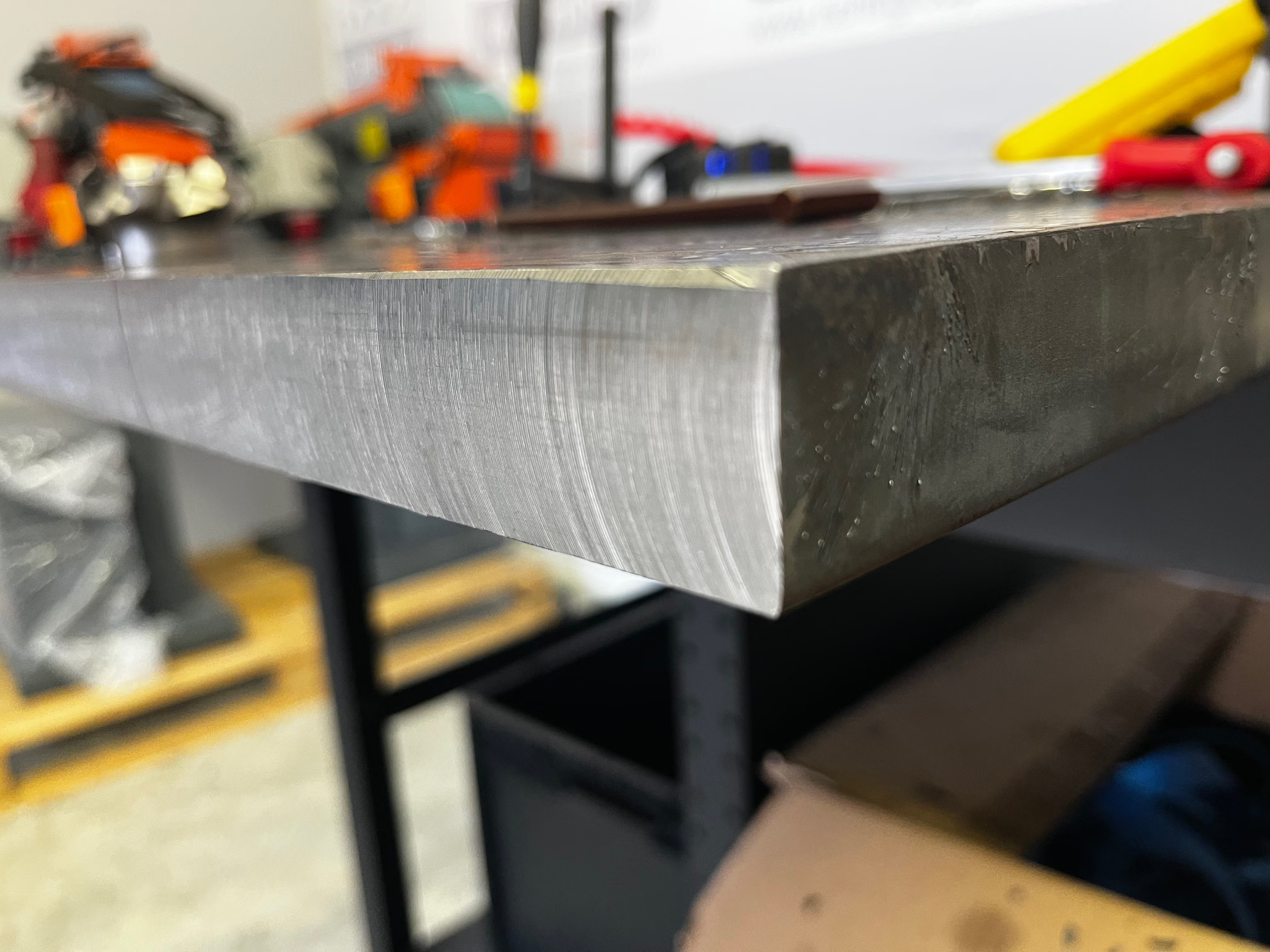
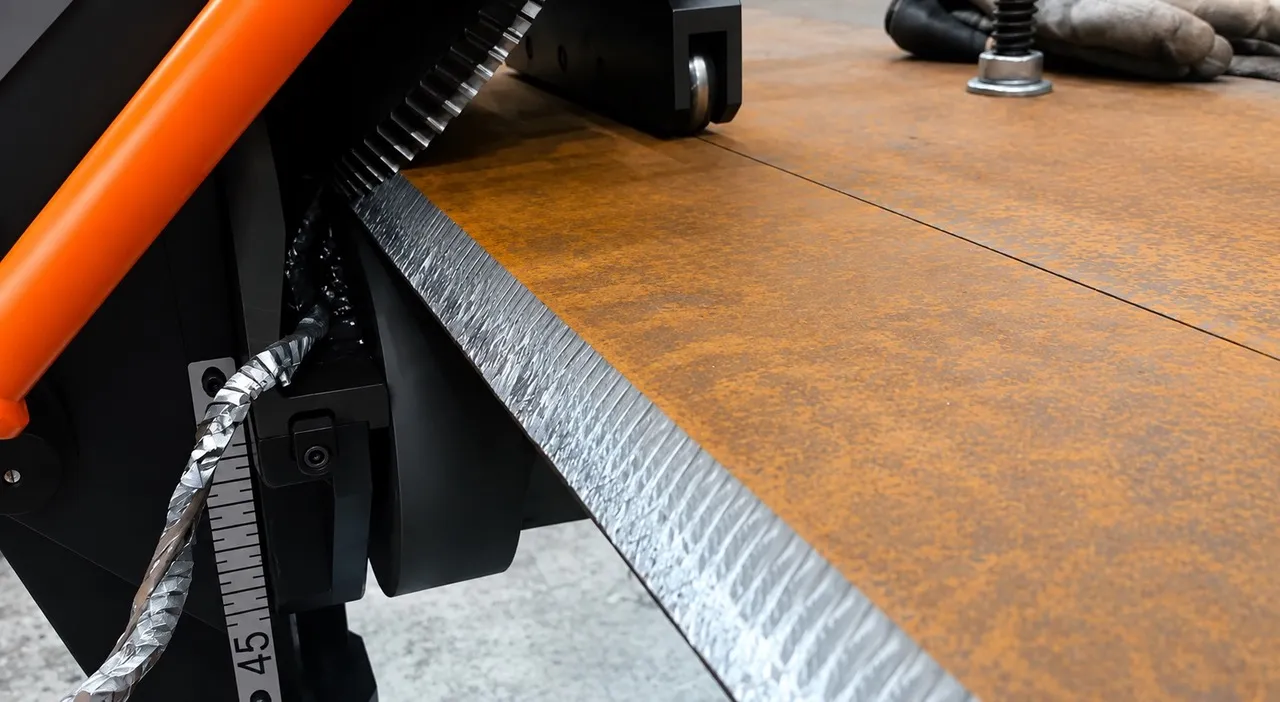
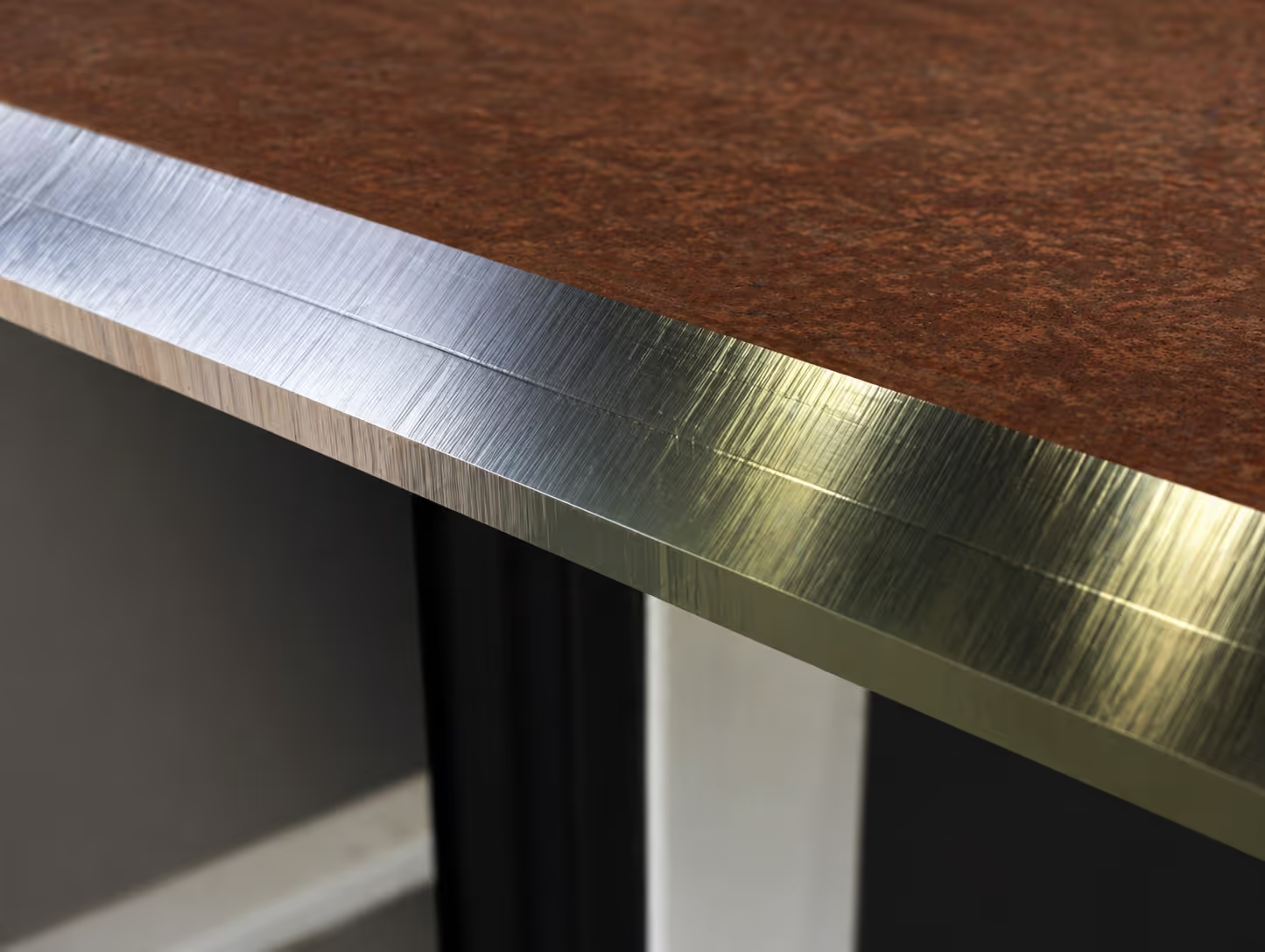
Tapering is used when joining sheets of different thicknesses, where a smooth transition from the thicker sheet to the thinner one is required. A transition is machined on the edge of the thicker sheet at a steep angle, typically 75° or more, with a transition length often defined at a ratio of approximately 1:4.
The main objective is to eliminate the sudden change in thickness and create a smooth geometry suitable for subsequent welding.

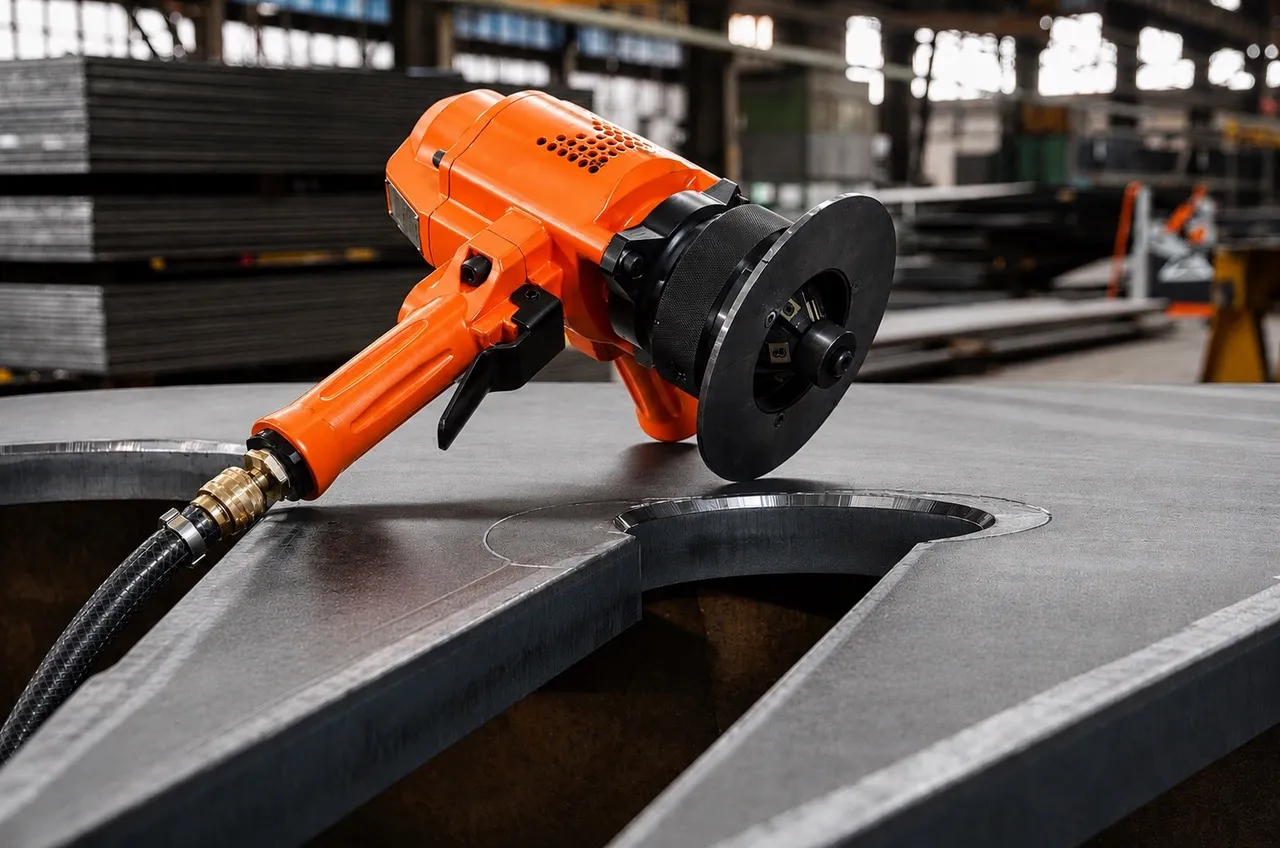
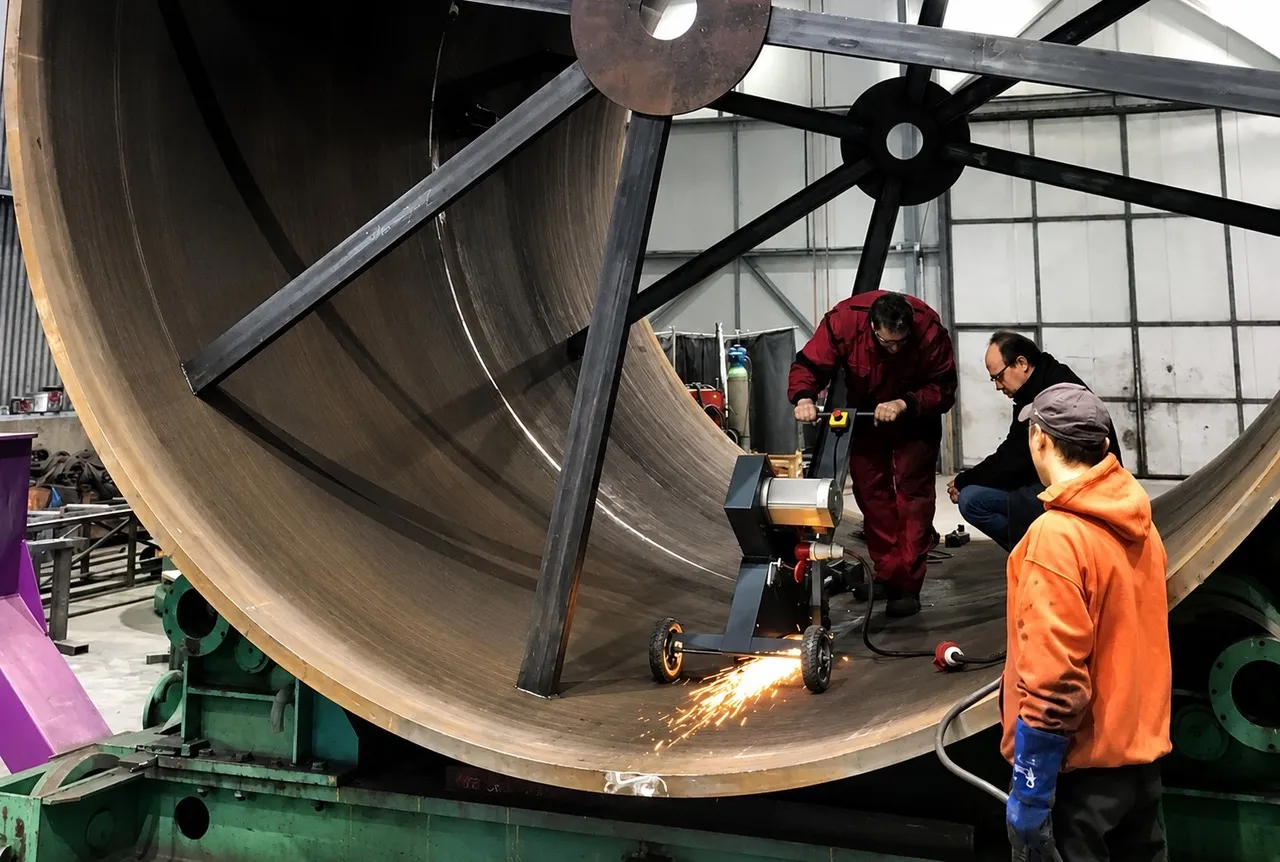
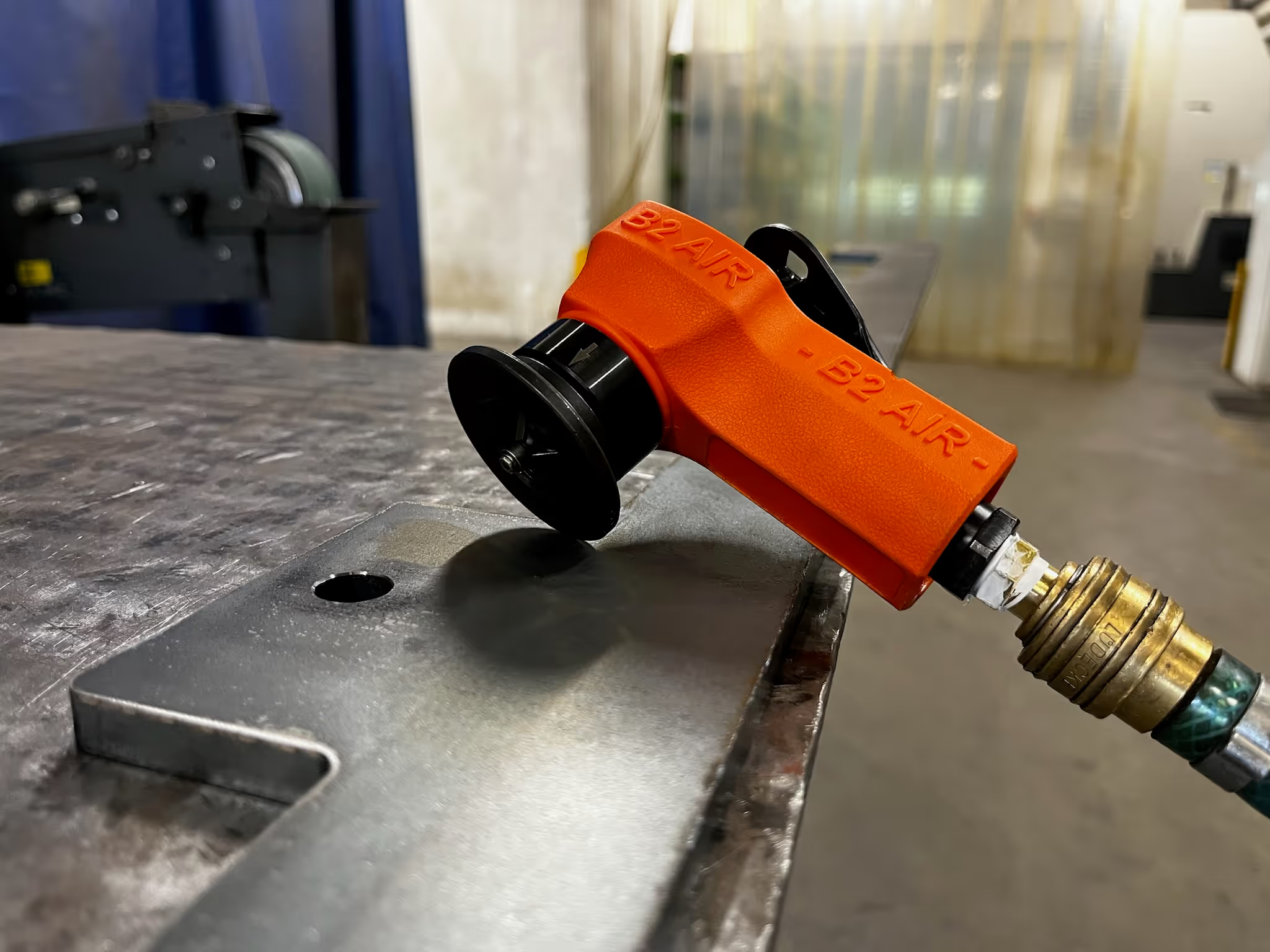
For large welded structures, mechanized Tapering can significantly reduce manual grinding and edge preparation, shorten production time and provide consistent, repeatable quality.

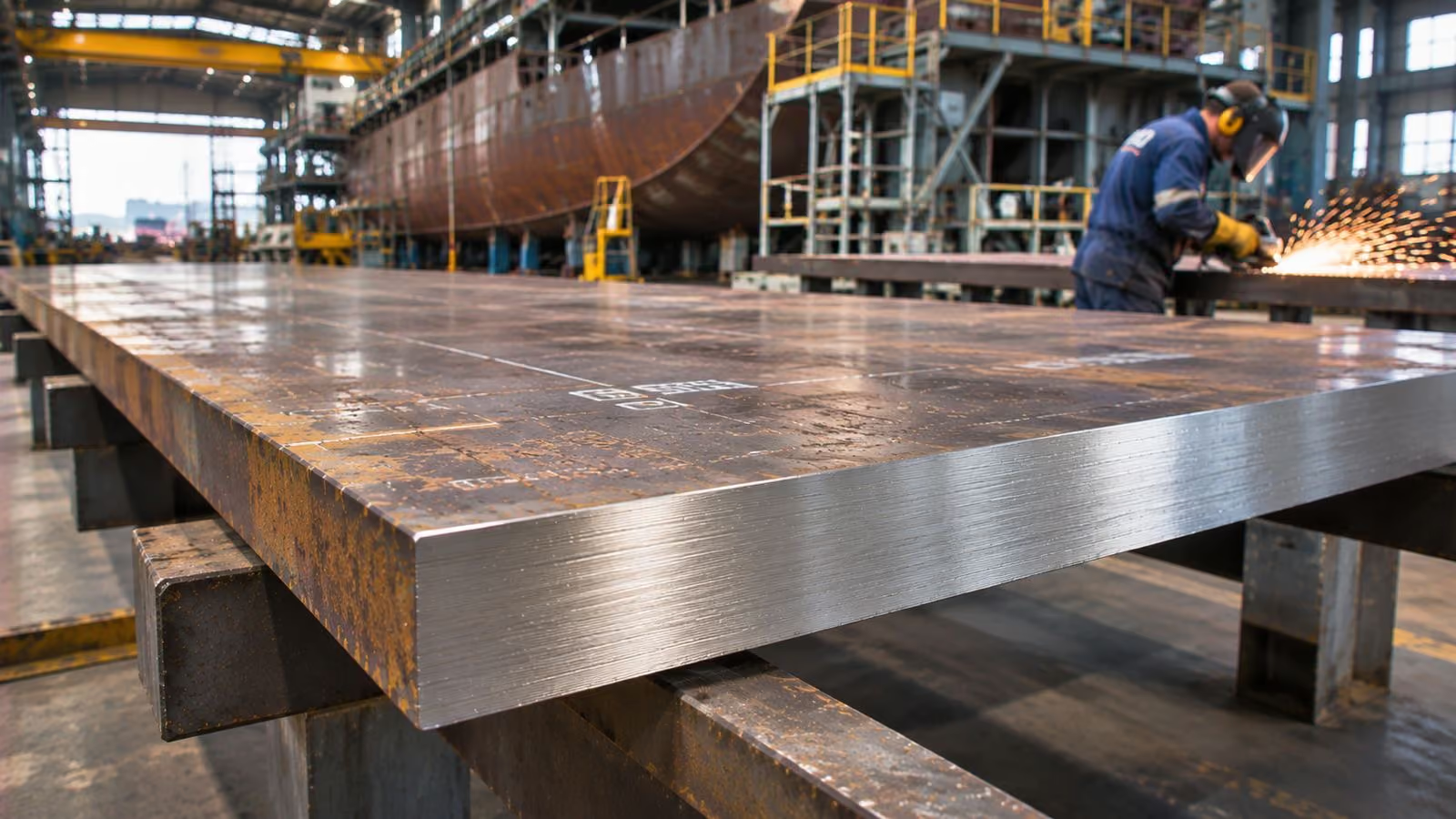
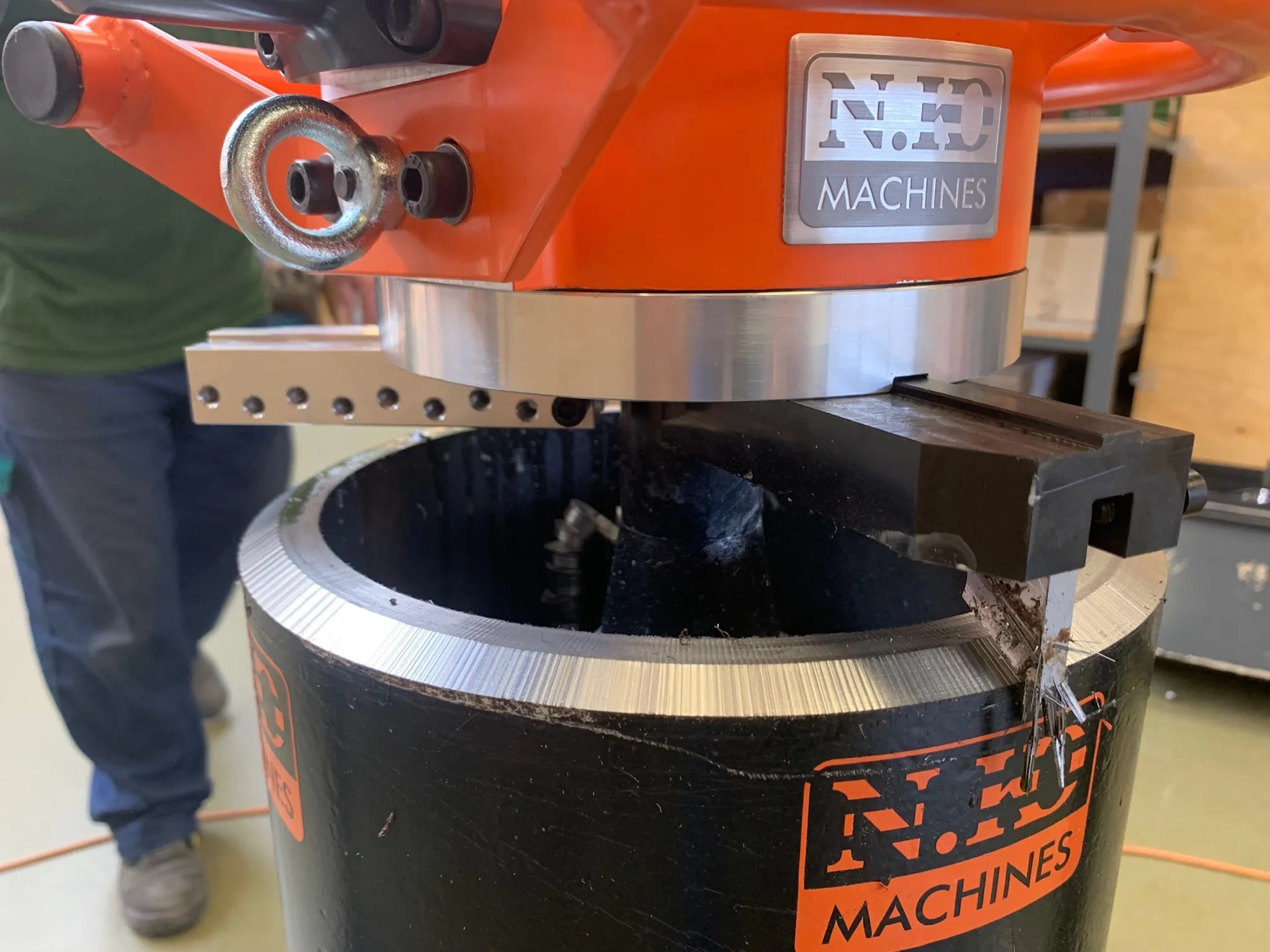
With N.KO Machines, this type of transition can be produced by controlled mechanical machining instead of manual grinding, making the technology particularly advantageous for long edges and series production.