
Čeština
Poptávka
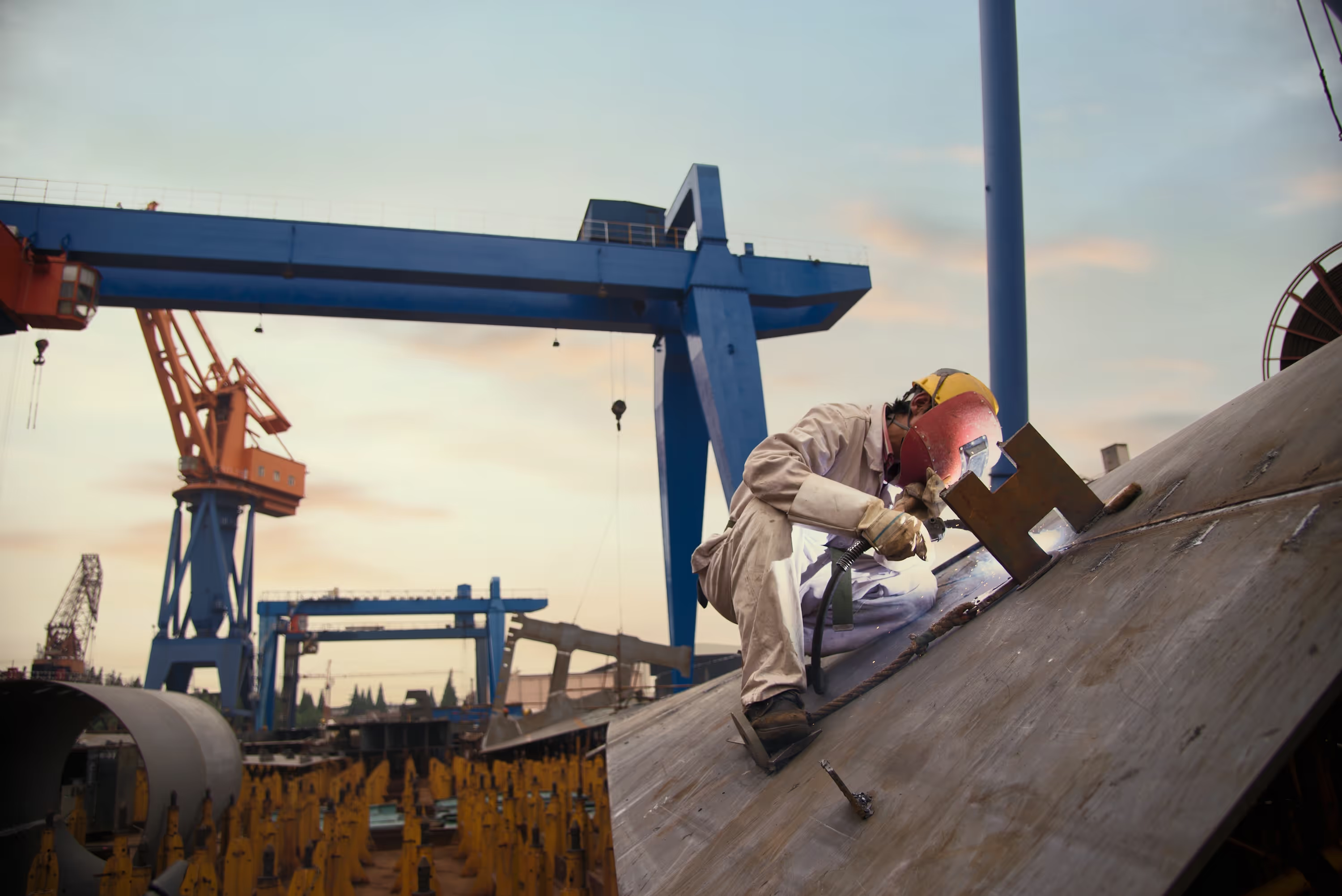
Ship structures operate in one of the most demanding environments in any industry.
Constant load, corrosion, temperature changes and dynamic forces all act on welded joints throughout the vessel’s lifetime.In this context, weld preparation is not a step in the process — it is the starting point of structural reliability. Hull sections, decks and internal structures must perform under conditions where repair is difficult, expensive or impossible.
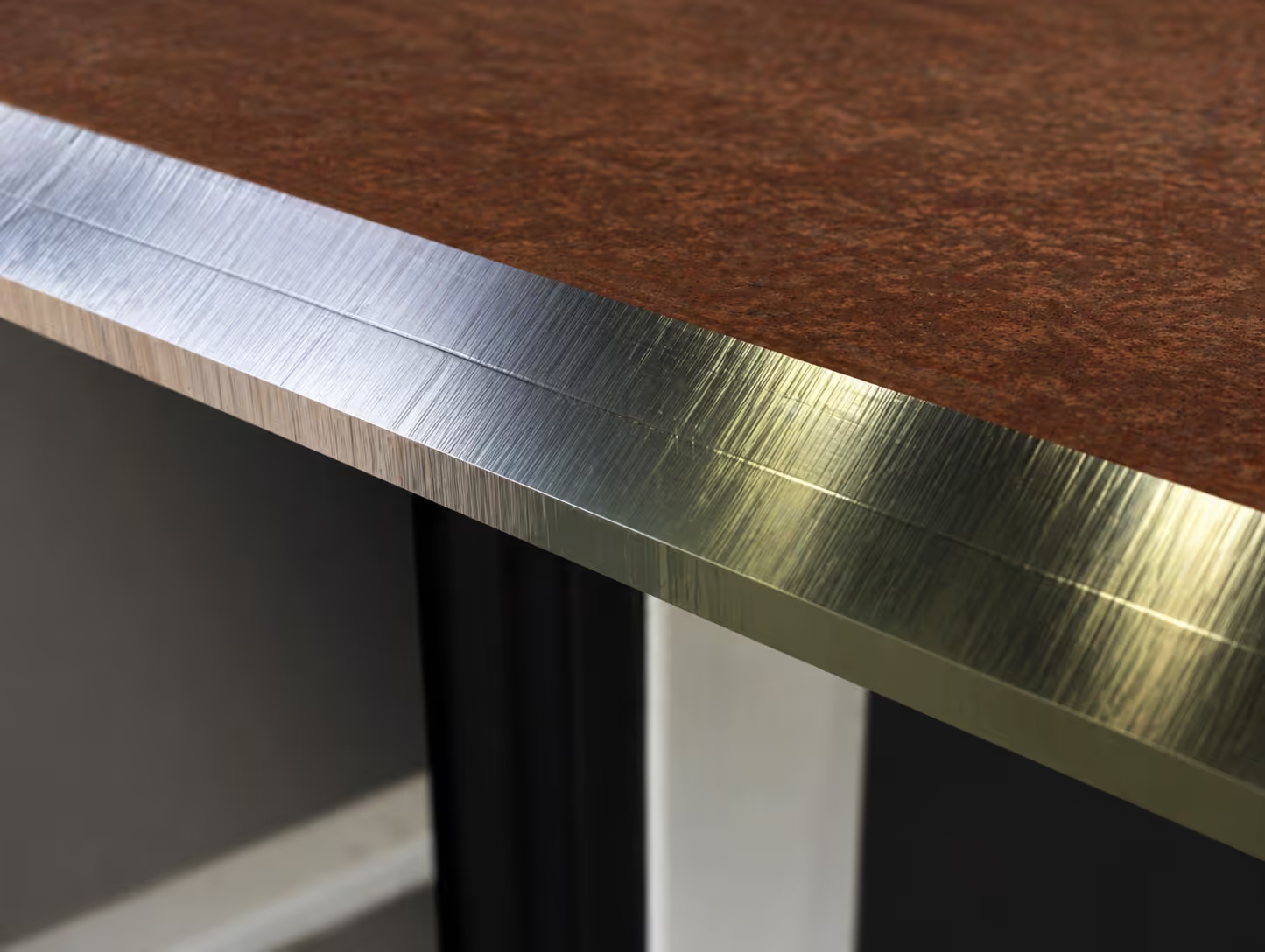
The geometry of the bevel, the cleanliness of the surface and the consistency of preparation directly determine whether a weld will pass inspection — and perform at sea.Companies that rely on manual grinding introduce variability into a process that requires consistency across large structures and long weld seams. Machined beveling removes that variability and brings control to shipyard production.

Shipbuilding operates under strict oversight from classification societies such as DNV, Lloyd’s Register or Bureau Veritas.
These organizations require:
At the same time, shipyards work with a wide range of materials — from structural steels to high-strength and corrosion-resistant alloys — and across a broad range of thicknesses.
Manual preparation struggles to deliver consistent results in this environment.
Machined beveling ensures precision, repeatability and compliance across all applications.

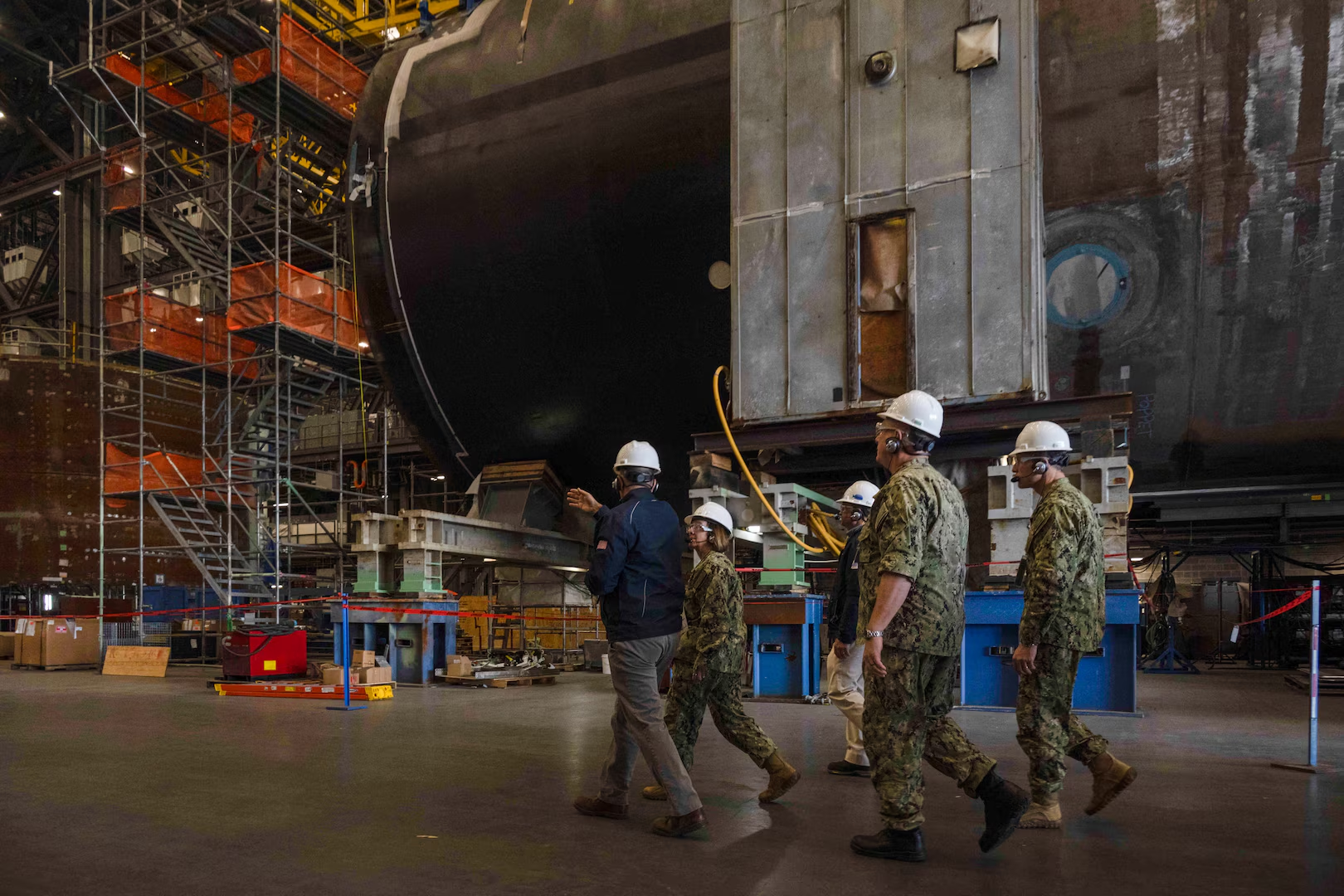
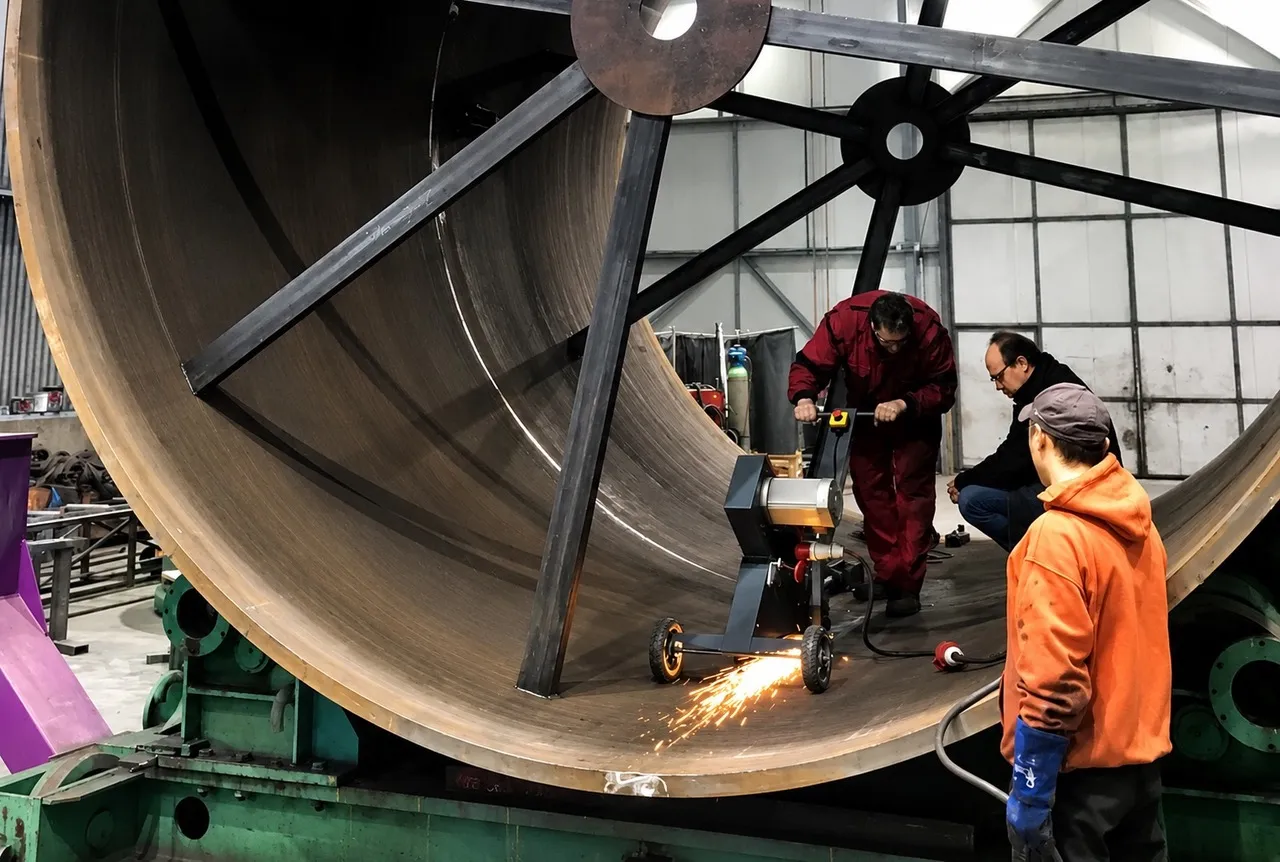
Welding often takes place inside partially assembled hull sections, where access is limited.
Repairing a weld in these areas is extremely costly and time-consuming.
Precise bevel preparation significantly increases the chance of first-pass success, reducing the need for rework.
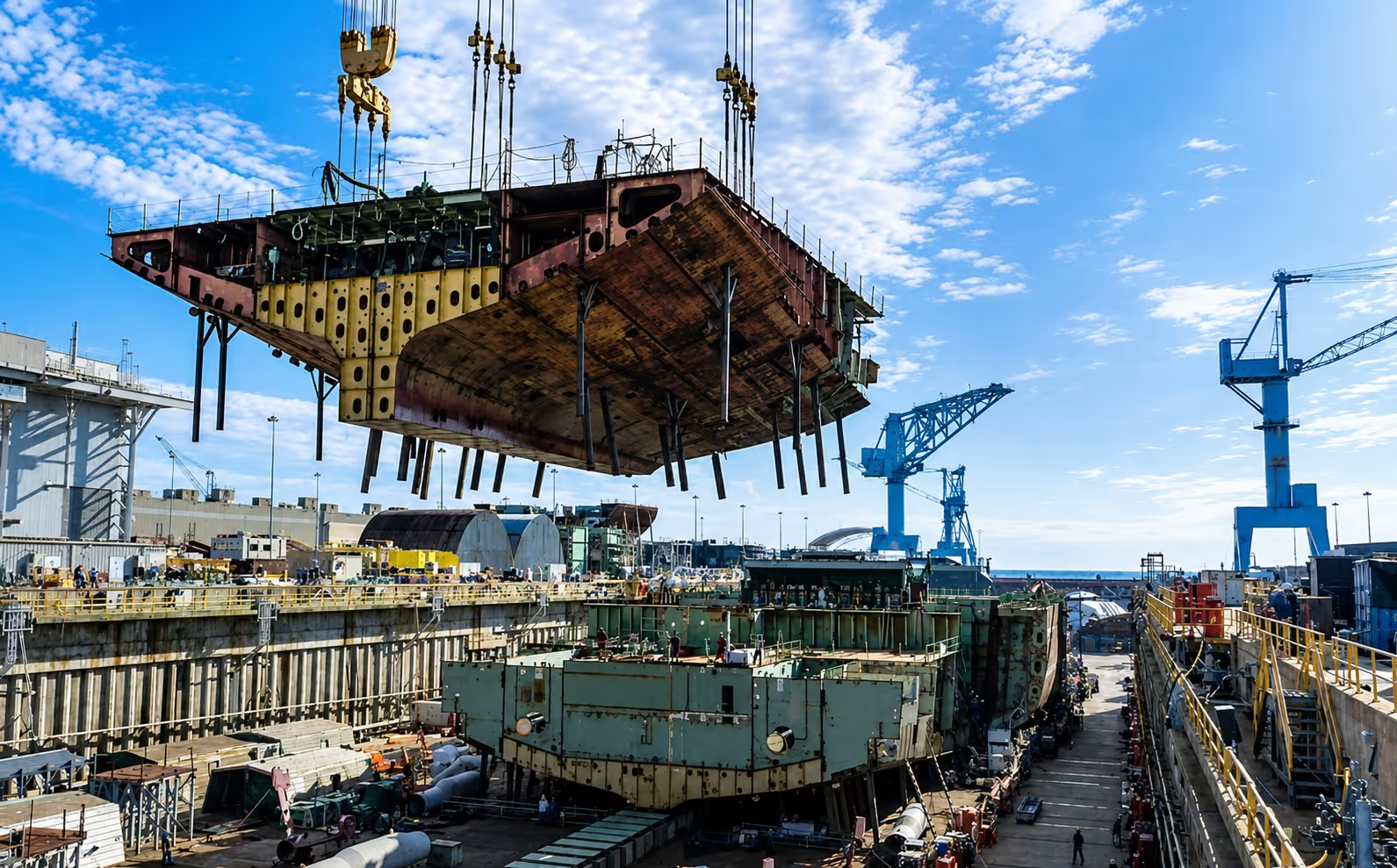
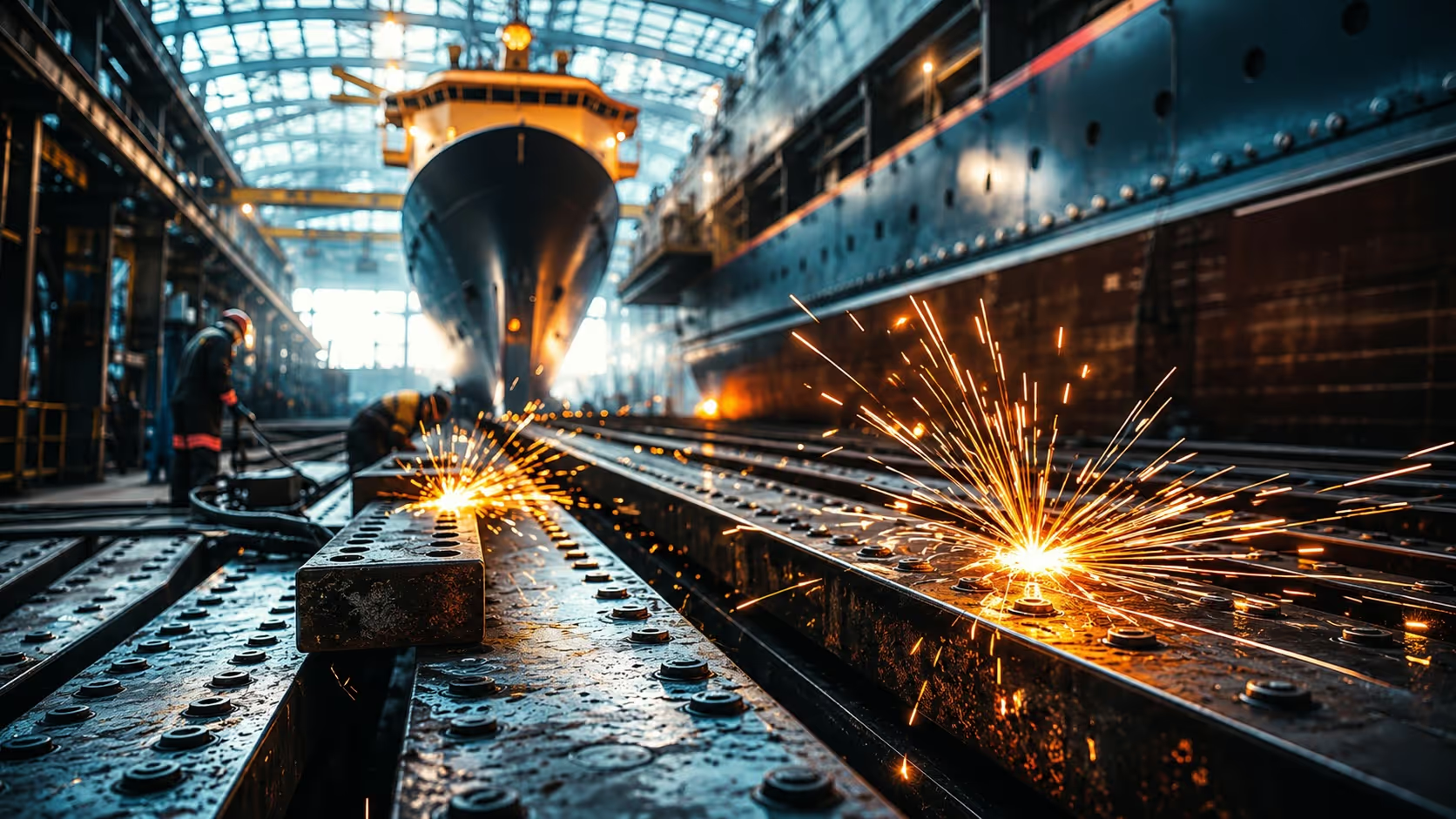
Shipbuilding involves long, continuous welds across large plates.
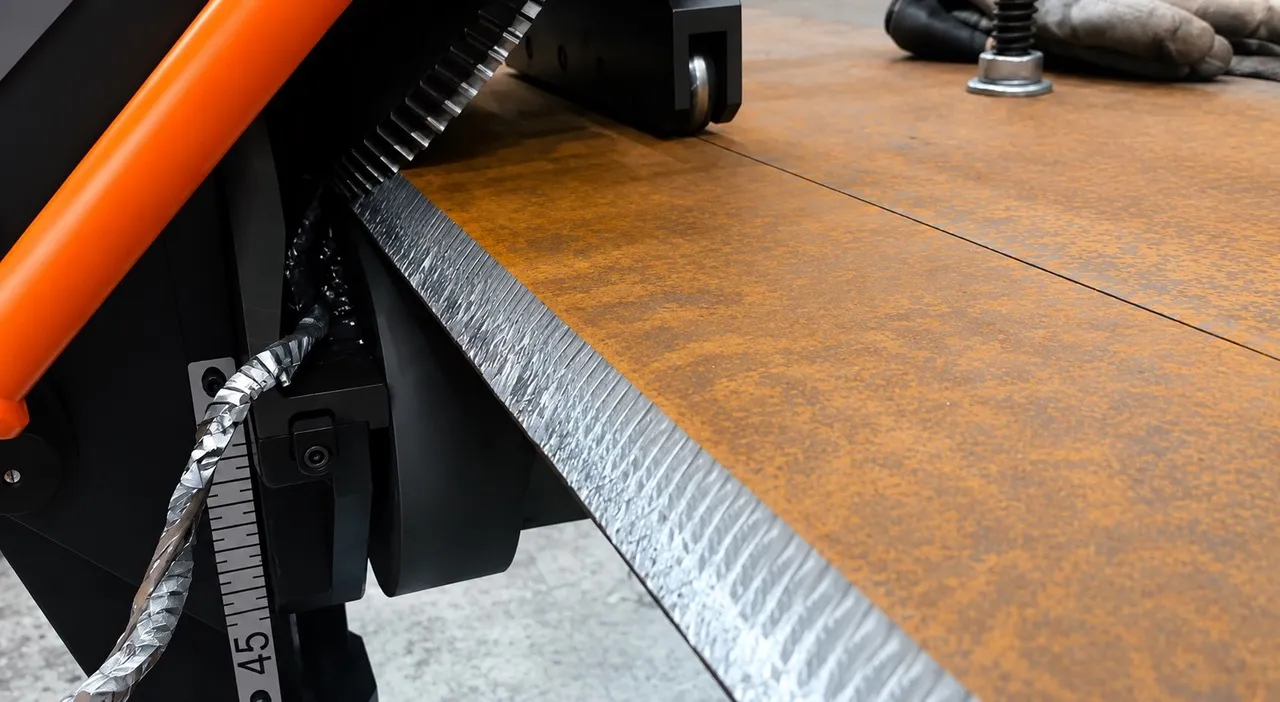
Machined beveling ensures uniform geometry along the entire edge, supporting stable welding conditions.
Modern shipyards rely on modular construction and tight schedules. Machined preparation is faster and more consistent than manual grinding, improving overall workflow.
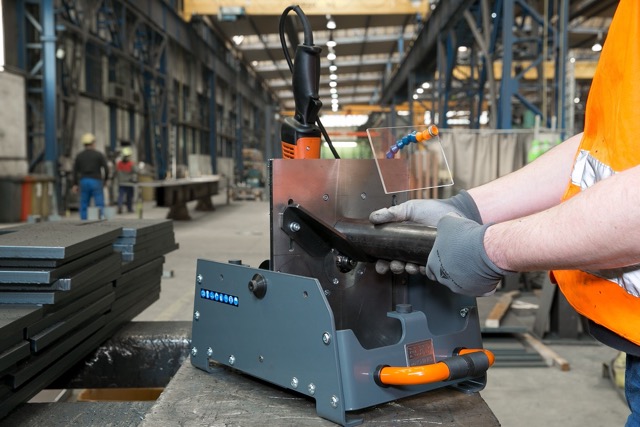

Flat panel lines and automated welding systems are standard in large shipyards. These systems require consistent joint geometry, which machined beveling reliably provides.
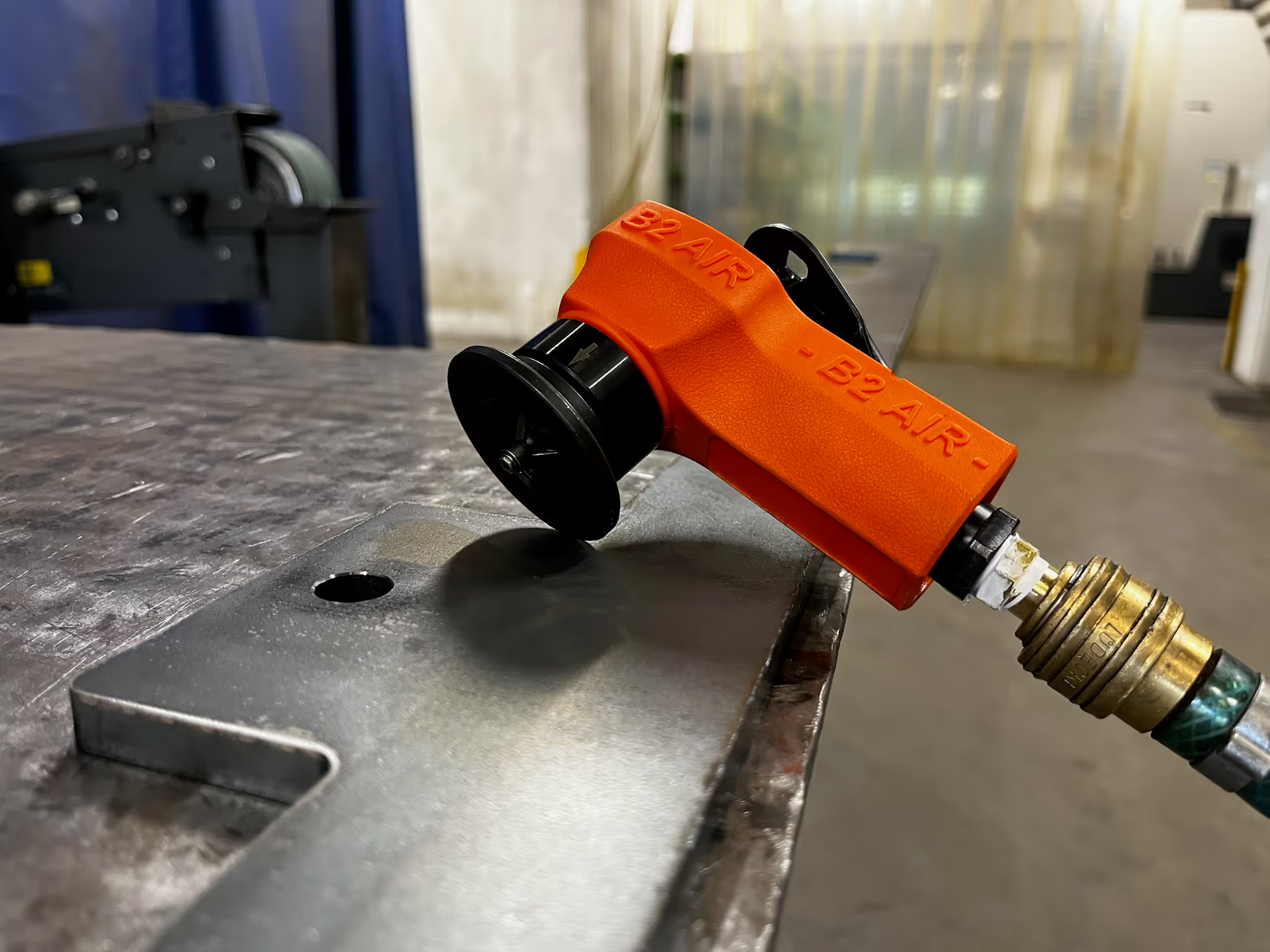
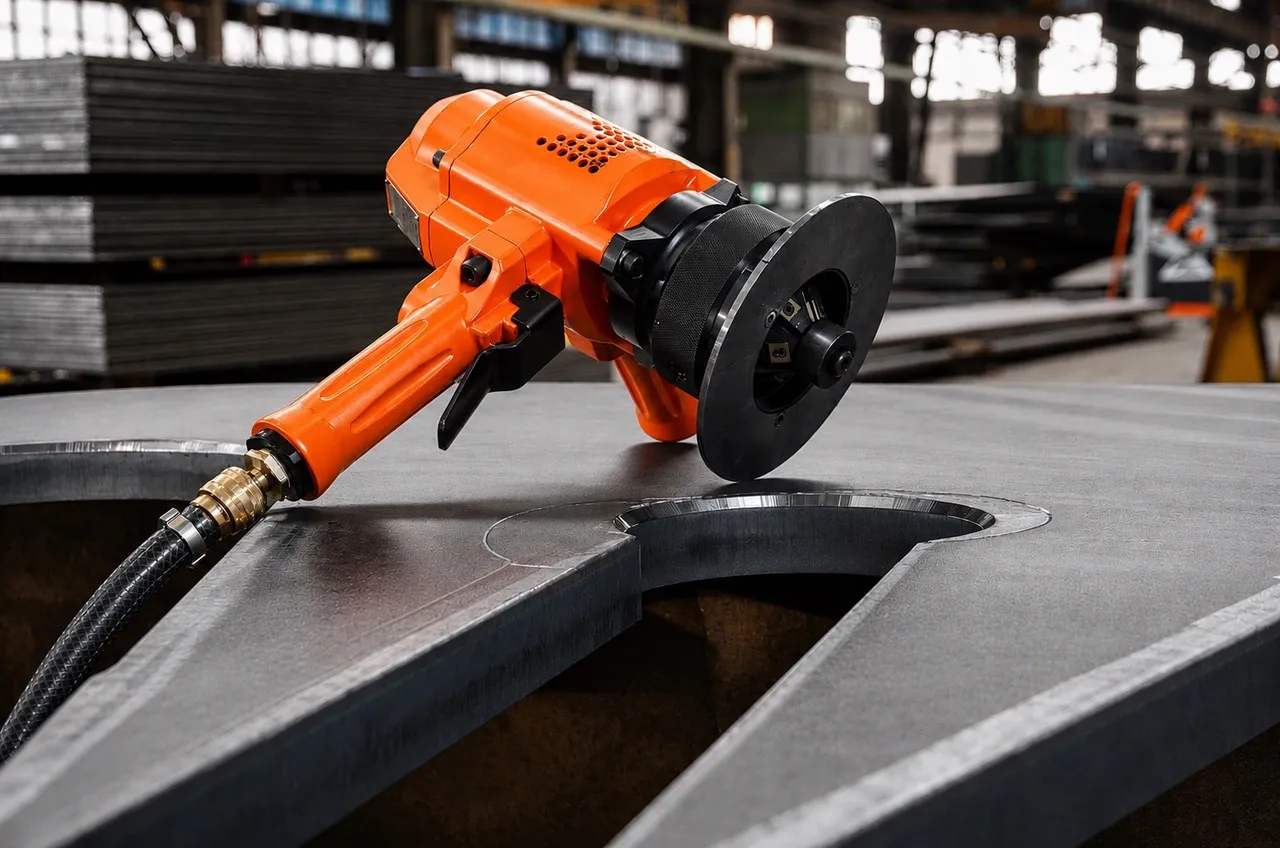
Portable beveling machines allow on-site preparation during repairs or refits, whether in dock or afloat. This reduces downtime and eliminates the need to move components back to the workshop.
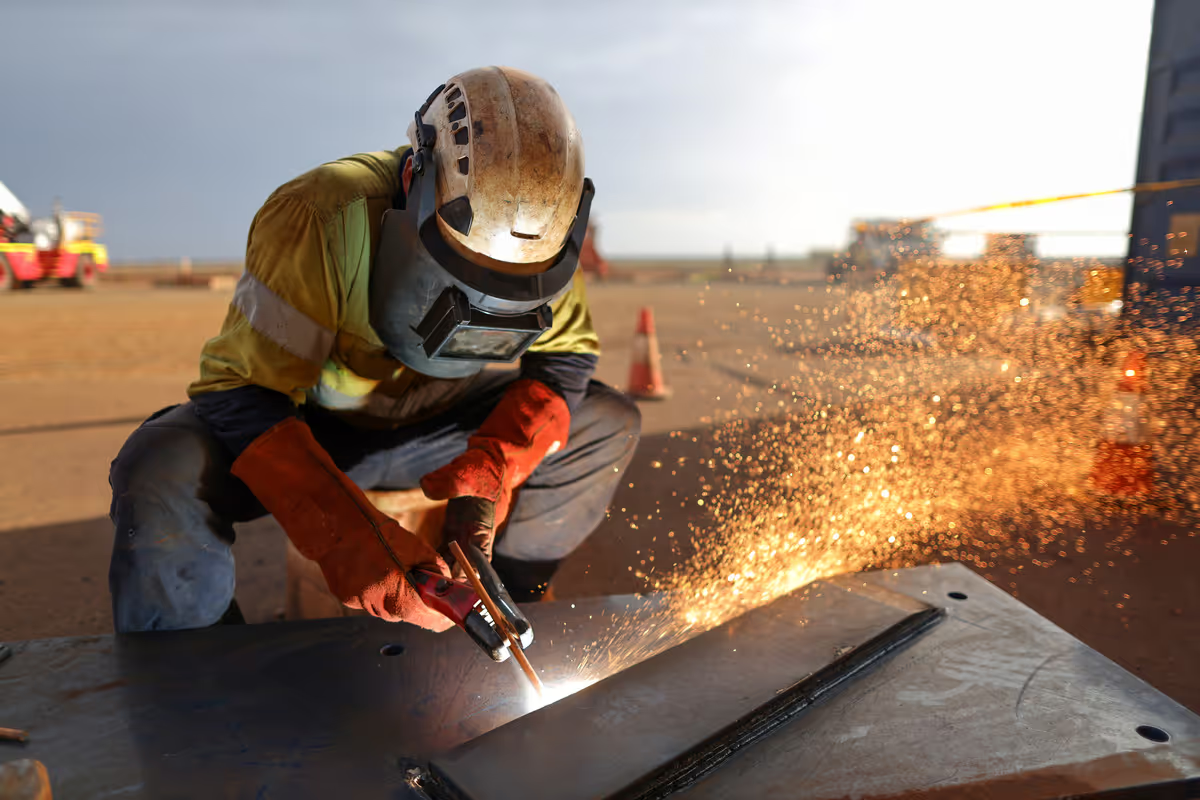
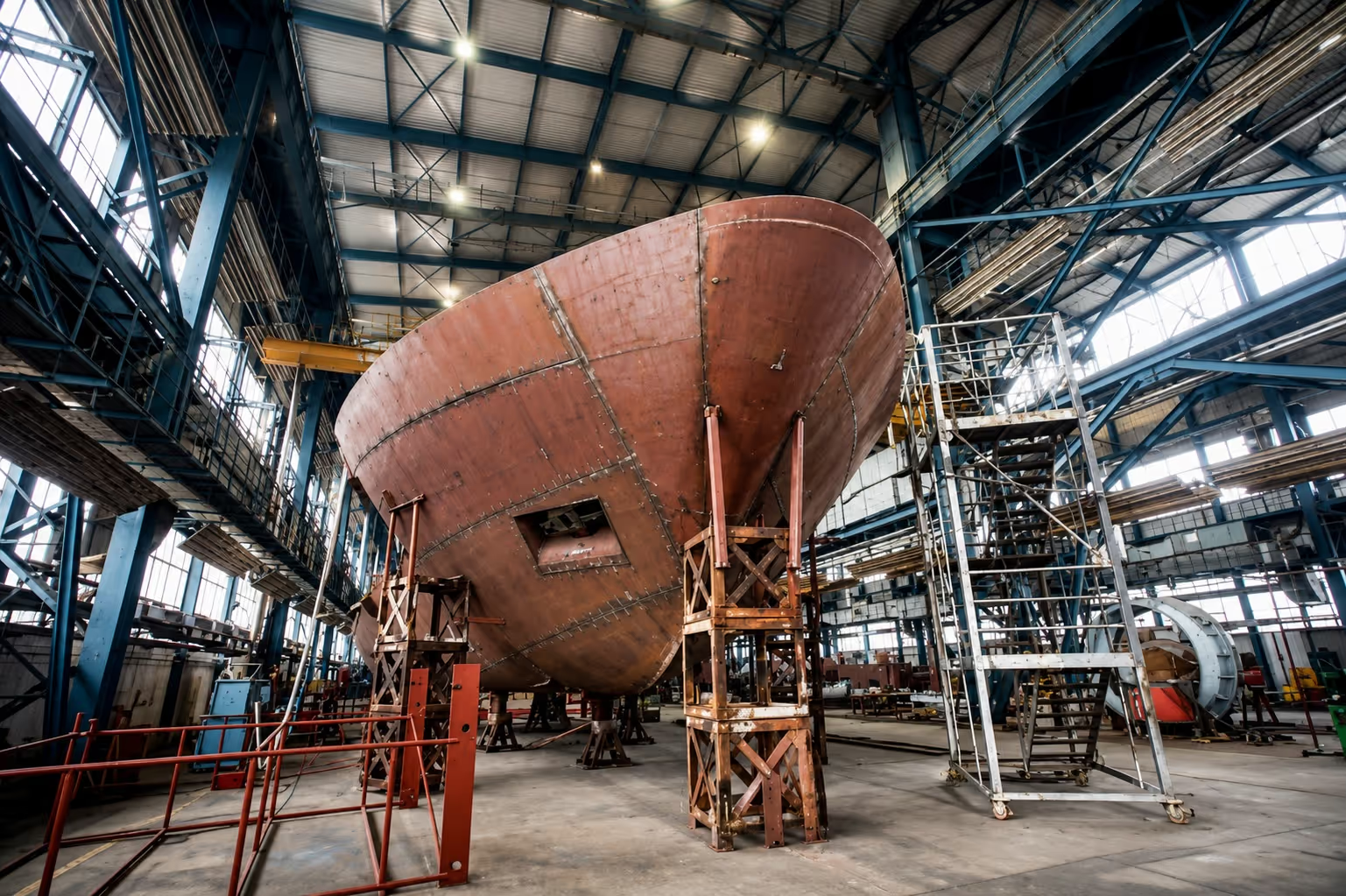
Machined beveling provides a documentable and repeatable process, supporting inspections and approvals from classification societies.
Všichni působí ve stejných podmínkách: přísná certifikace, komplexní konstrukce a vysoké náklady při selhání.
In shipbuilding, delays and rework have a direct impact on delivery schedules and project costs.
A rejected weld or failed inspection can disrupt entire sections of production.
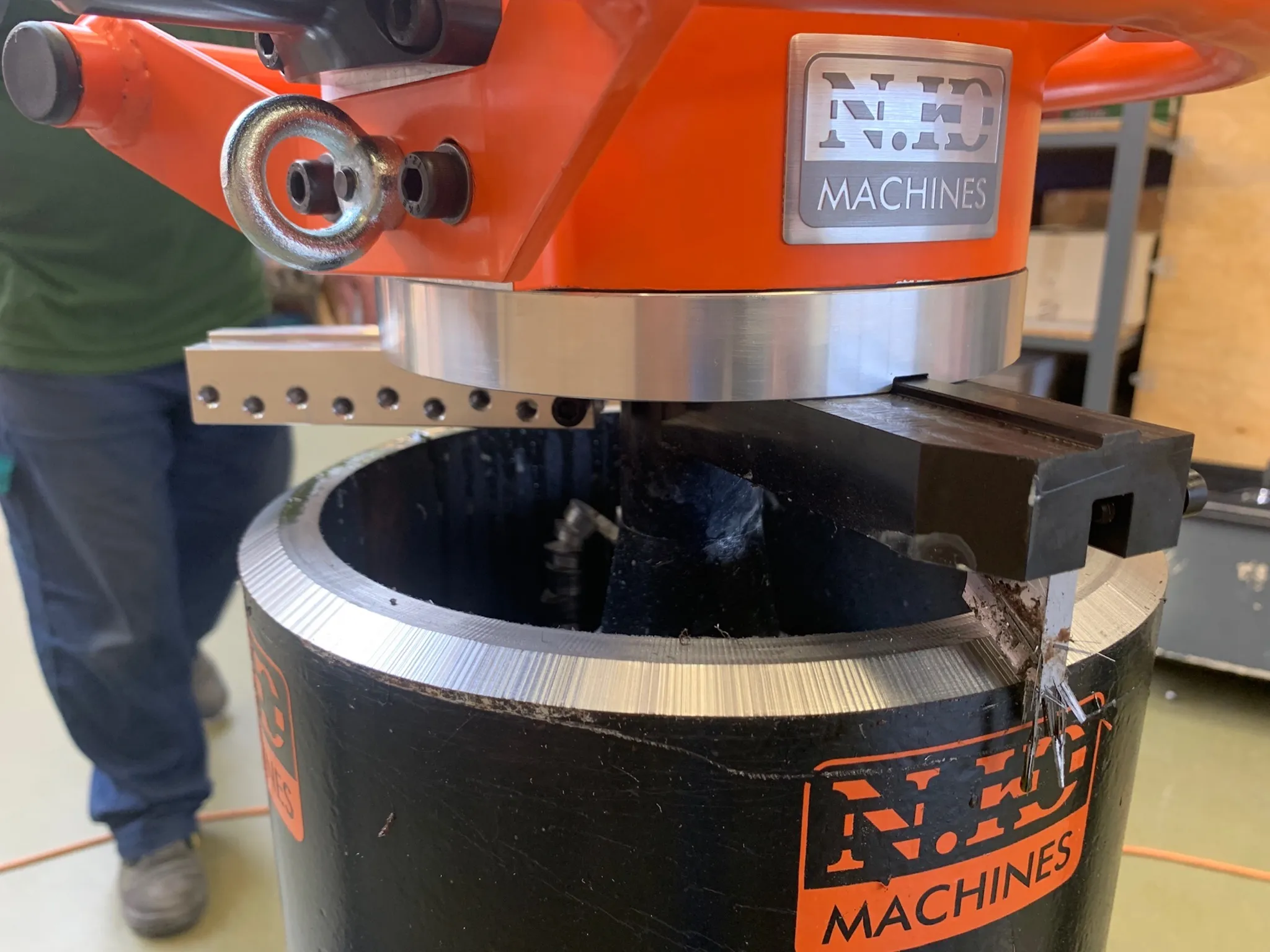
Beveling machines help ensure consistent weld preparation from the start, reducing rework, supporting certification and keeping projects on schedule.

.avif)