
Inglés
Preguntar
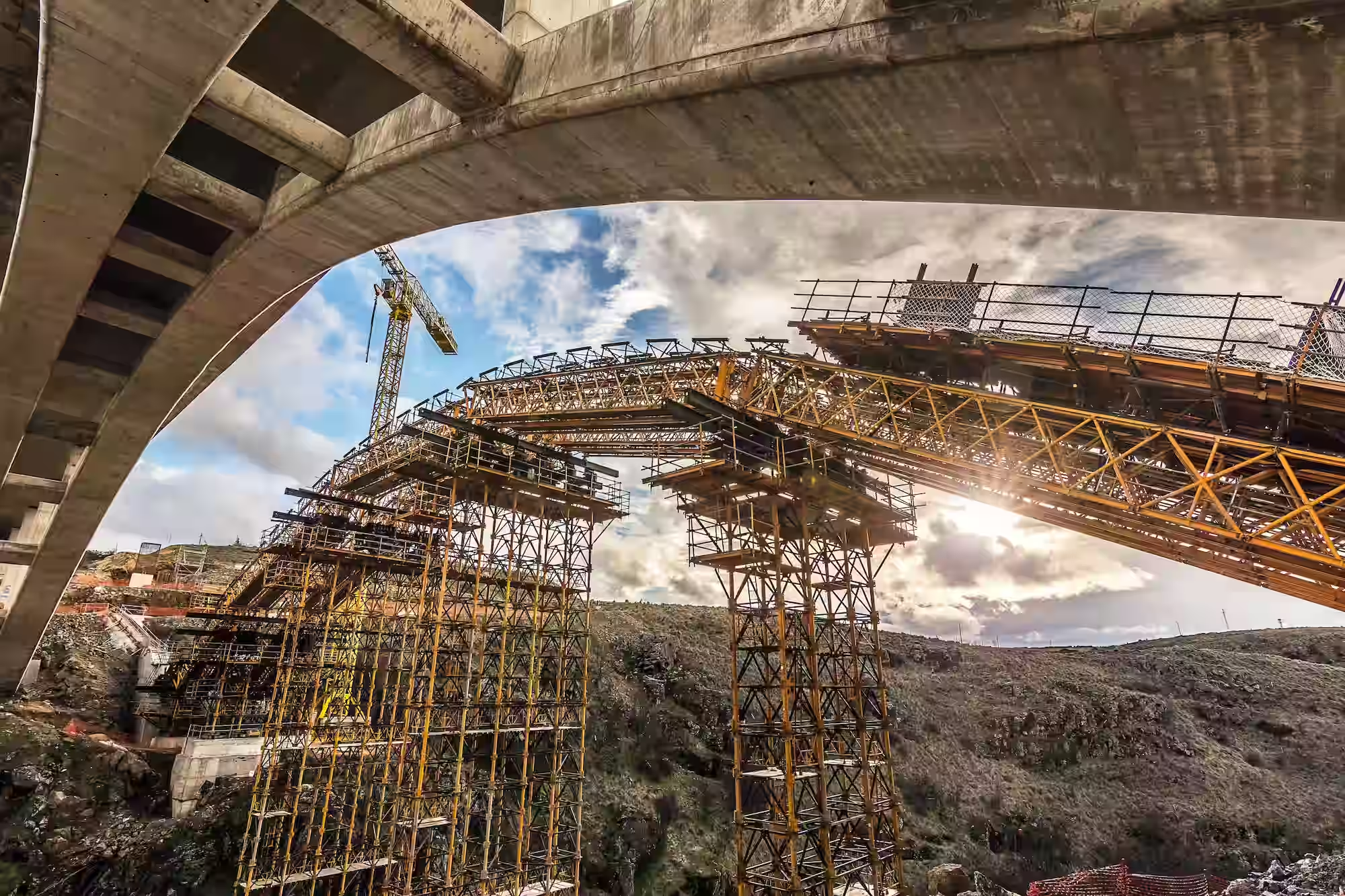
Las estructuras de los puentes están diseñadas para soportar cargas dinámicas durante décadas, a menudo 50, 100 años o más.
Cada soldadura debe soportar esfuerzos continuos, vibraciones y exposición ambiental. En este contexto, la preparación de la soldadura no es un detalle, sino la base de la integridad estructural. Los componentes de acero para puentes operan bajo las clases de ejecución más exigentes, donde el fallo no es una opción.
La geometría de la soldadura, la limpieza de la superficie y la uniformidad de la preparación influyen directamente en el comportamiento a largo plazo de la estructura.
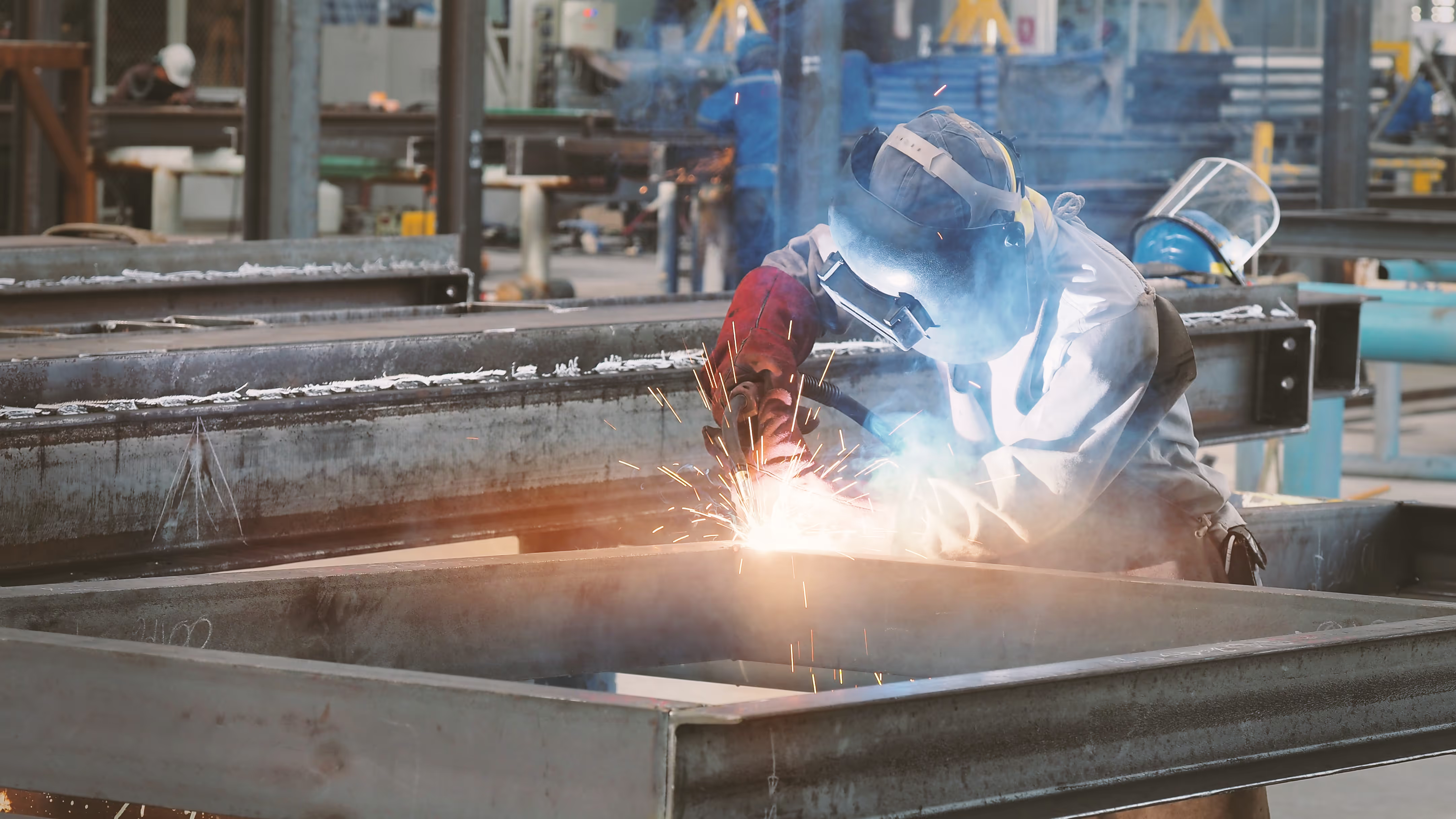
Las empresas que dependen del rectificado manual o del corte térmico introducen variabilidad en un proceso que requiere un control absoluto. El biselado mecanizado elimina esa variabilidad y aporta previsibilidad al rendimiento de la soldadura.

La fabricación de puentes se rige por algunos de los estándares más estrictos en la construcción de acero.
Normas como la EN 1090-2 EXC3 y EXC4 definen tolerancias estrictas para la preparación, el estado de la superficie y la ejecución de la soldadura.
Las inspecciones no destructivas (END), ya sean ultrasónicas, radiográficas o magnéticas, son habituales.
Cada defecto detectado implica reparaciones costosas, reelaboración o incluso el rechazo de componentes de gran tamaño.
Los métodos manuales tienen dificultades para cumplir estos requisitos de forma sistemática.
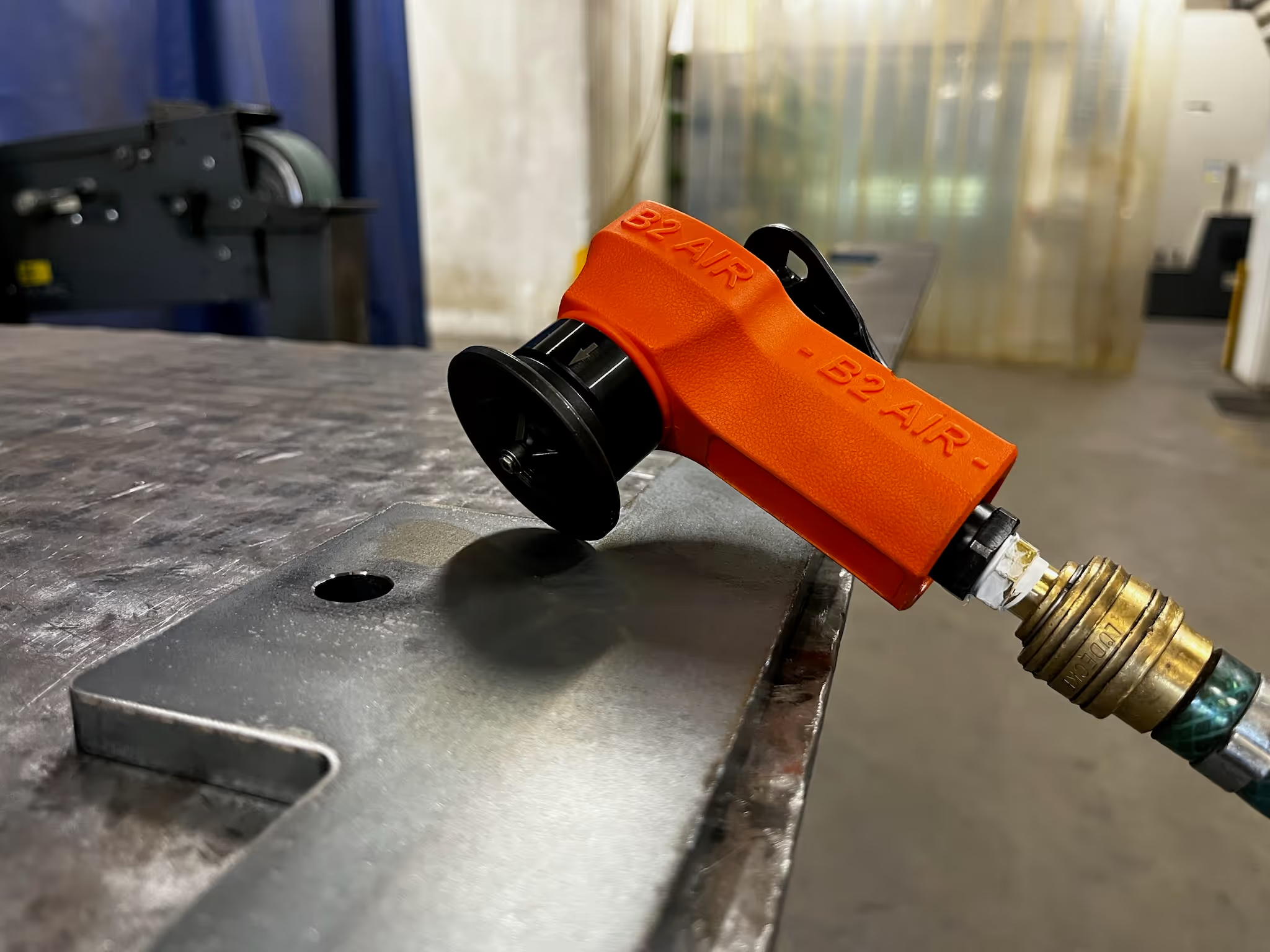
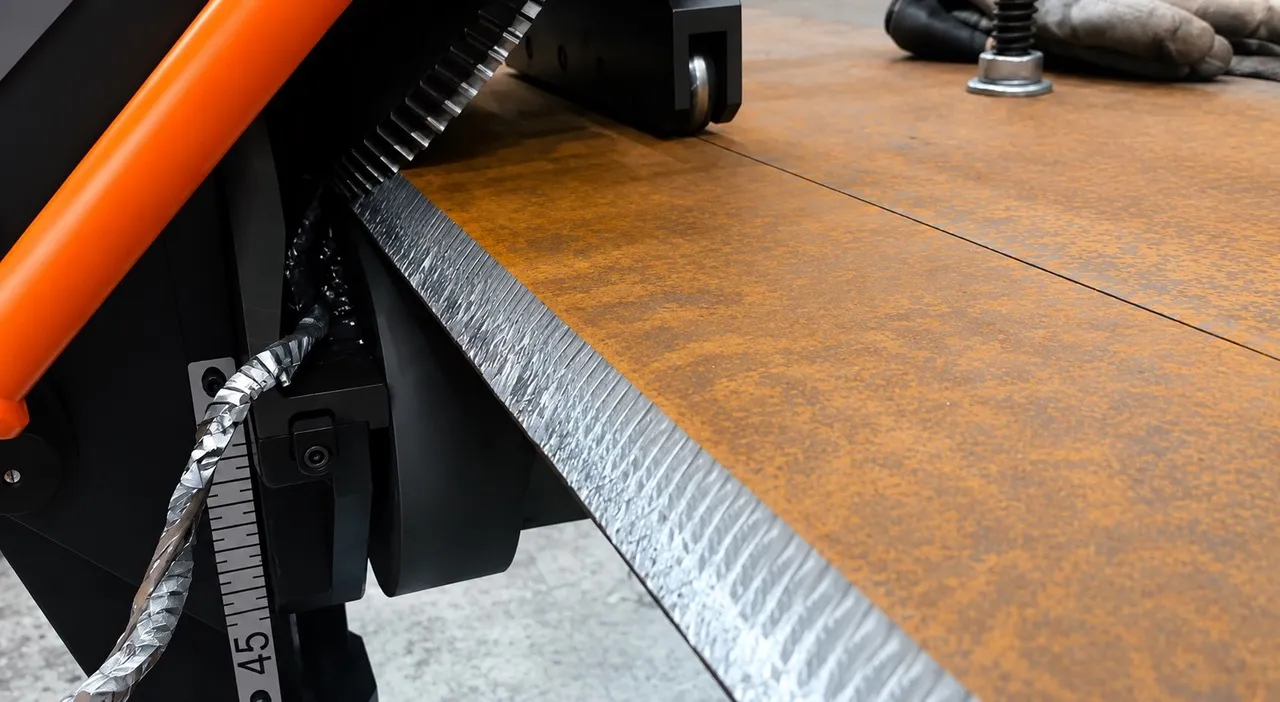
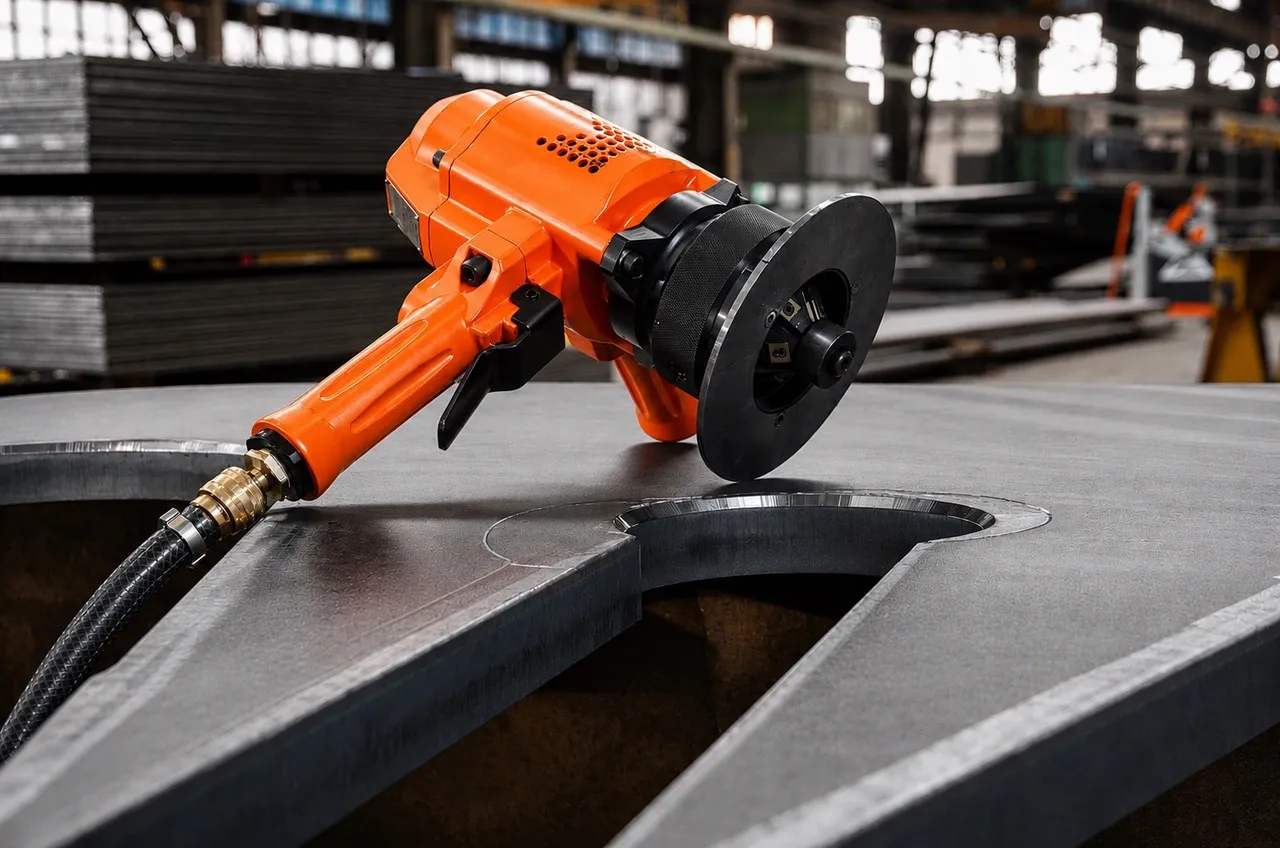
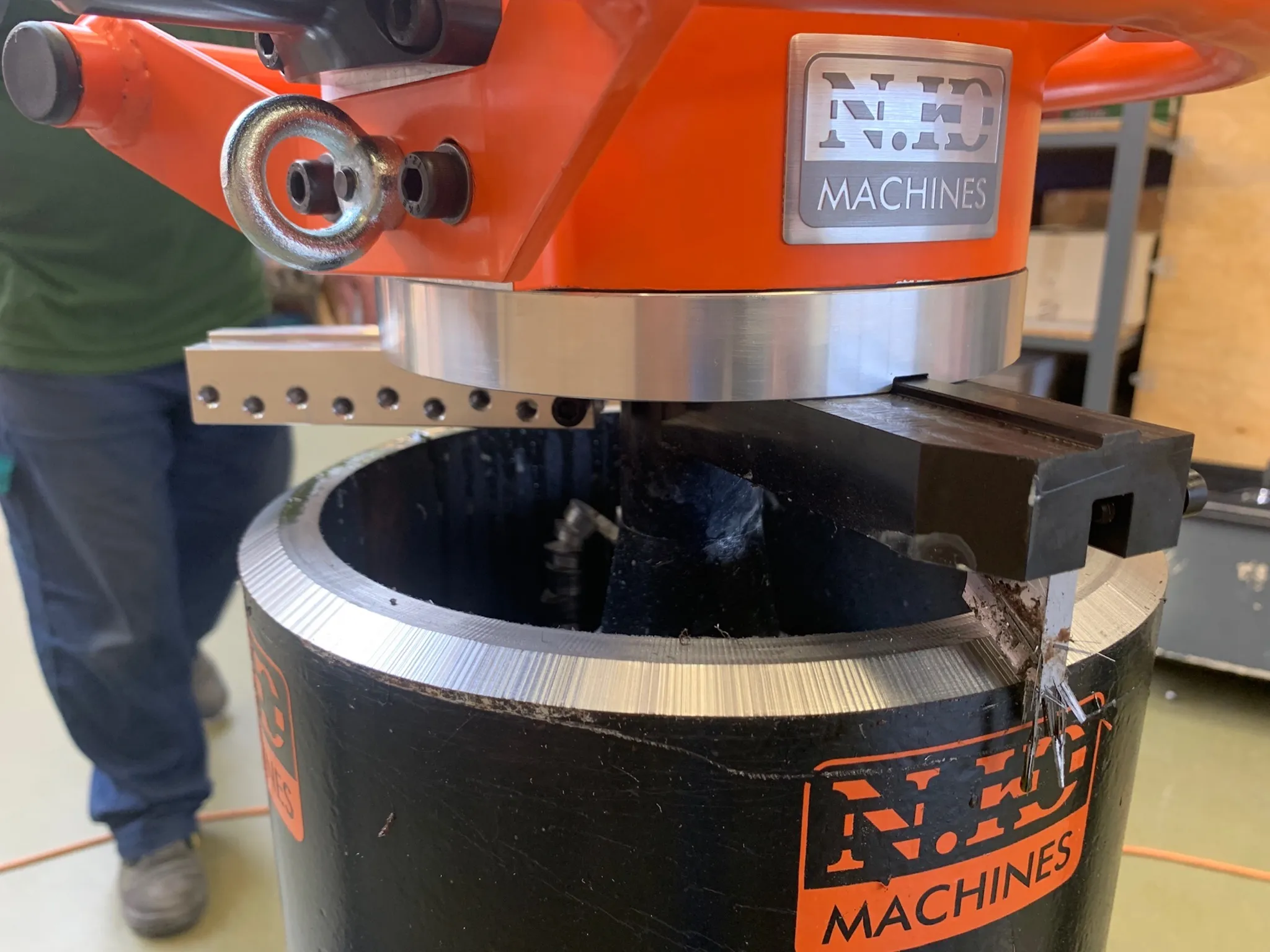
El biselado mecanizado garantiza una geometría precisa, superficies limpias y repetibilidad, independientemente de la variabilidad del operario.
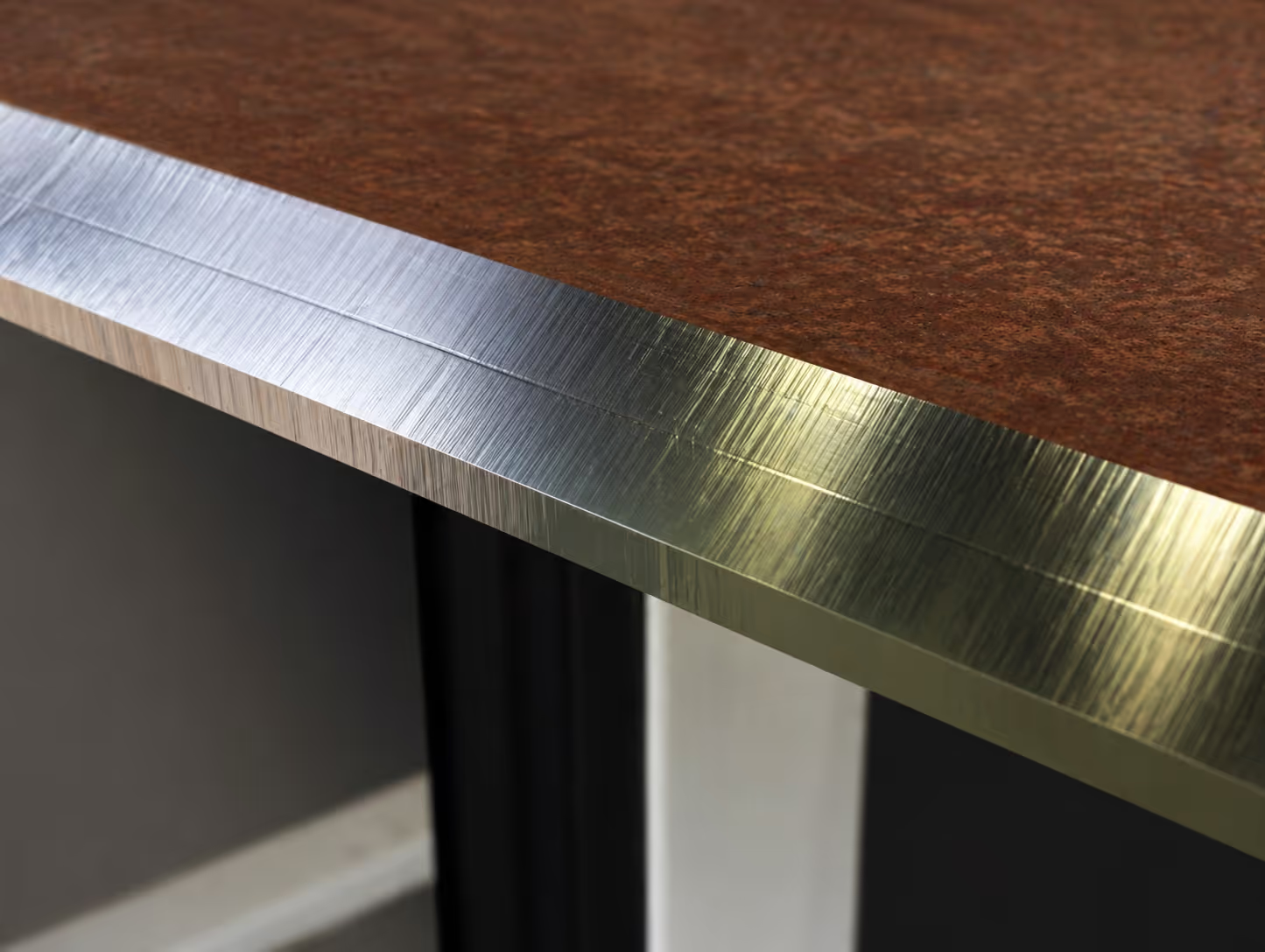
El proceso de mecanizado garantiza una geometría uniforme y conforme a las normas en todas las piezas.
Esto reduce la incertidumbre y respalda una ejecución fiable en los niveles de certificación más altos.

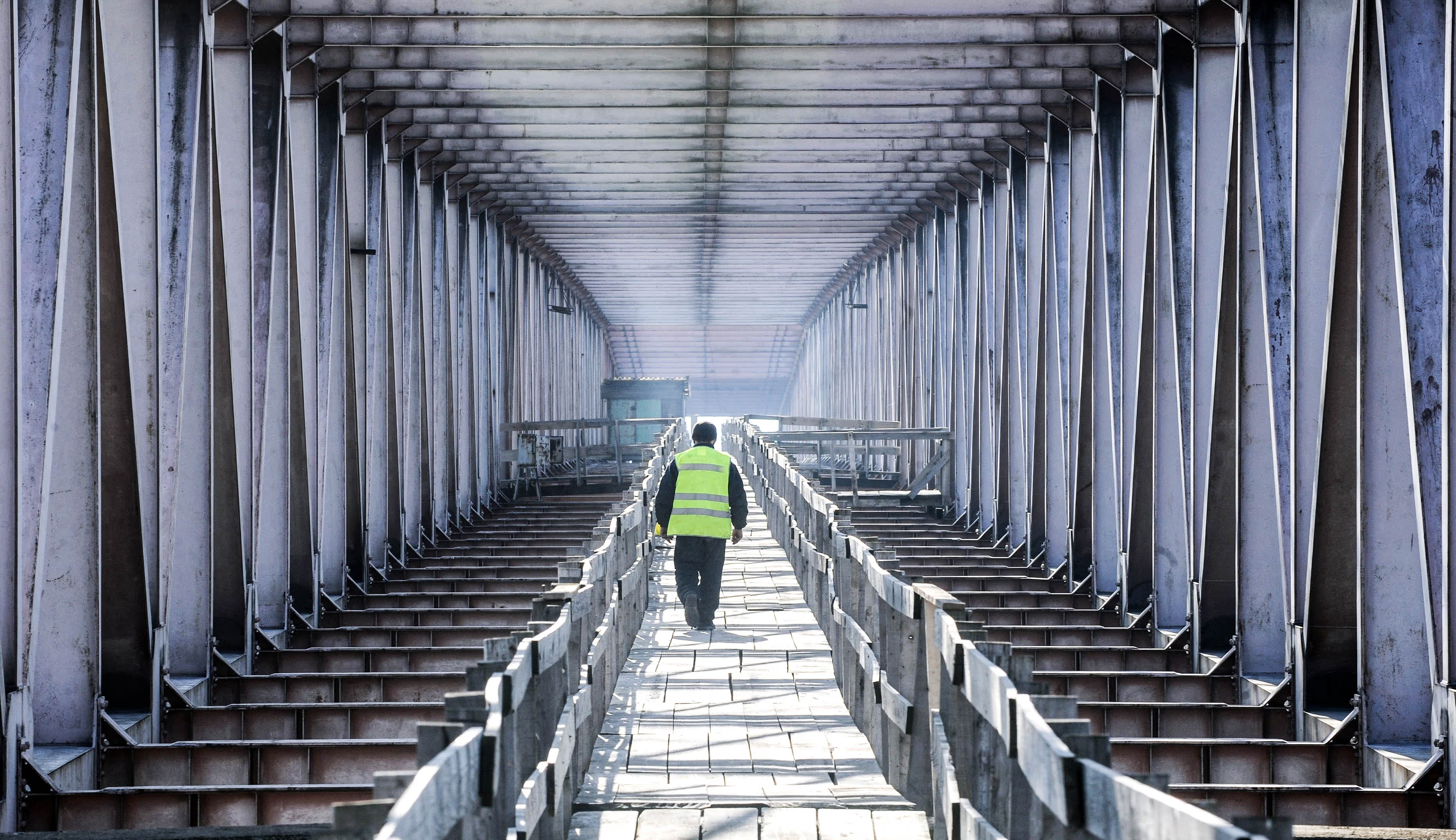
Una geometría de bisel imprecisa provoca una penetración incompleta, inclusiones o irregularidades en la soldadura.
La preparación mecanizada mejora significativamente las tasas de aceptación en el primer intento durante las inspecciones no destructivas.
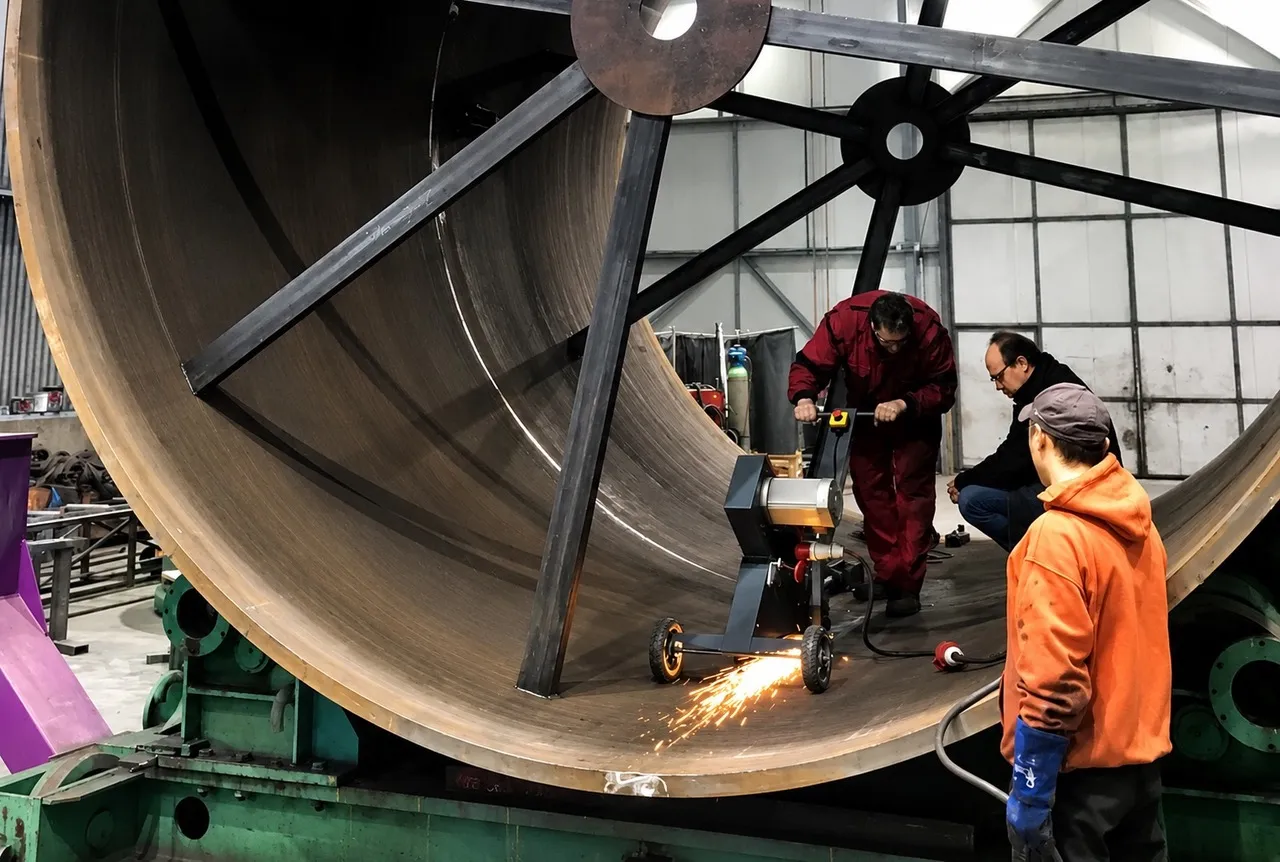
Las estructuras de puentes suelen incluir placas gruesas, tableros ortotrópicos o juntas tubulares. El biselado mecanizado maneja estas geometrías exigentes de forma fiable y consistente.
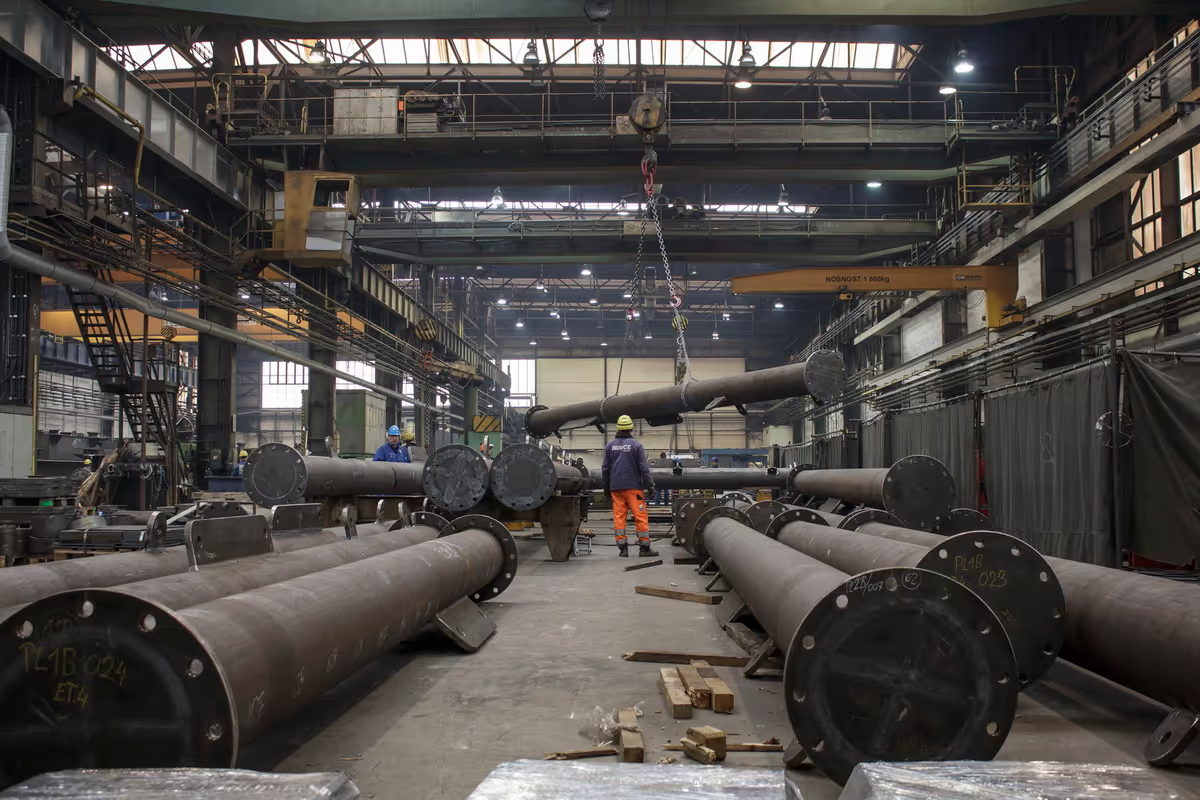

La fabricación moderna de puentes utiliza cada vez más sistemas de soldadura automatizados. Estos sistemas dependen de una geometría de junta uniforme, algo que la preparación manual no puede garantizar.
Los proyectos de puentes requieren una trazabilidad y documentación completas de los procesos de producción. El biselado mecanizado proporciona un proceso repetible y auditable que facilita las inspecciones y la certificación.
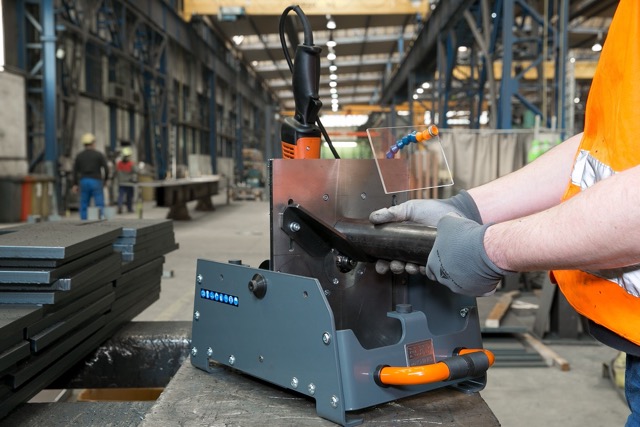
Todas operan bajo las mismas condiciones: estrictos requisitos de certificación, plazos ajustados y una gran responsabilidad en cuanto al rendimiento a largo plazo.
.avif)