
Inglese
Informarsi
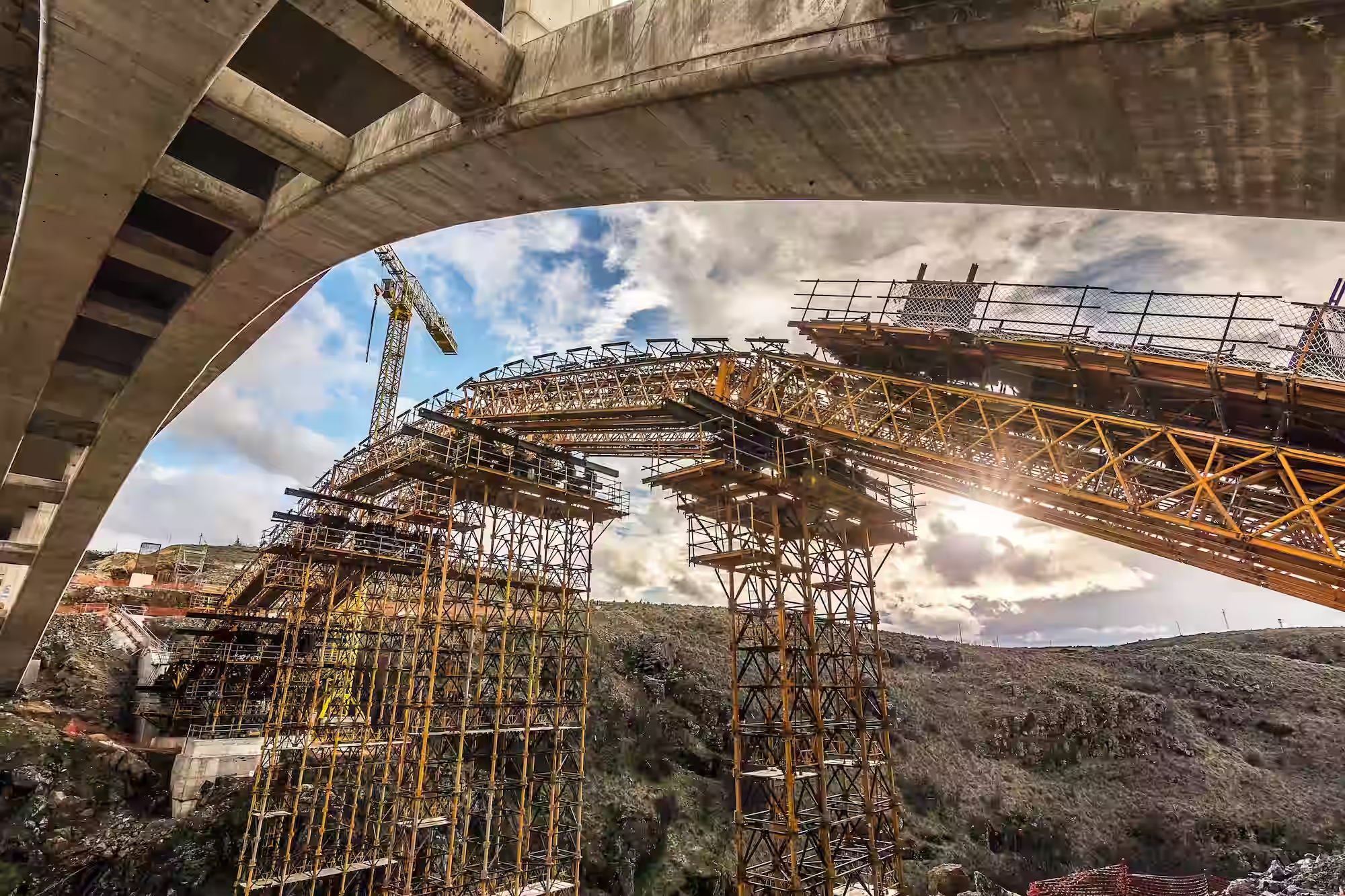
Le strutture dei ponti sono progettate per sopportare carichi dinamici per decenni, spesso 50, 100 anni o più.
Ogni saldatura deve resistere a sollecitazioni continue, vibrazioni ed esposizione agli agenti atmosferici. In questo contesto, la preparazione della saldatura non è un dettaglio, bensì il fondamento dell'integrità strutturale. I componenti in acciaio per i ponti operano secondo le più elevate classi di prestazione, dove il cedimento non è un'opzione.
La geometria della saldatura, la pulizia della superficie e la uniformità della preparazione influiscono direttamente sul comportamento a lungo termine della struttura.
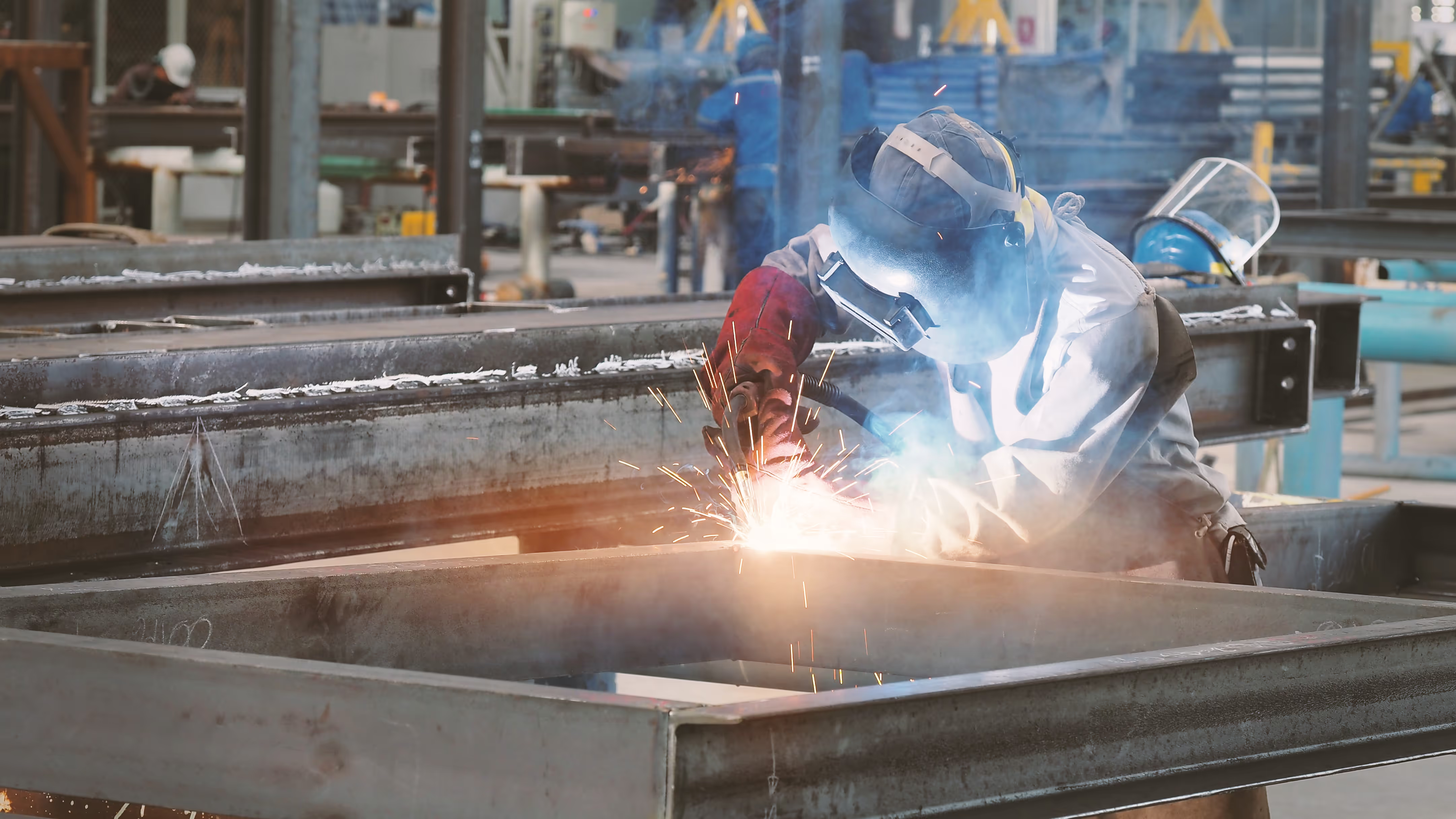
Le aziende che si affidano alla molatura manuale o al taglio termico introducono variabilità in un processo che richiede un controllo assoluto. La smussatura meccanica elimina tale variabilità e garantisce prevedibilità nelle prestazioni di saldatura.

La fabbricazione dei ponti avviene nel rispetto di alcuni degli standard più rigorosi nel settore delle costruzioni in acciaio.
Norme come EN 1090-2 EXC3 e EXC4 definiscono tolleranze ristrette per la preparazione della saldatura, le condizioni superficiali e l'esecuzione.
Le ispezioni non distruttive (NDT), che siano a ultrasuoni, radiografiche o magnetiche, sono standard.
Ogni difetto rilevato comporta riparazioni costose, rilavorazioni o addirittura il rifiuto di componenti di grandi dimensioni.
I metodi manuali faticano a soddisfare questi requisiti in modo costante.
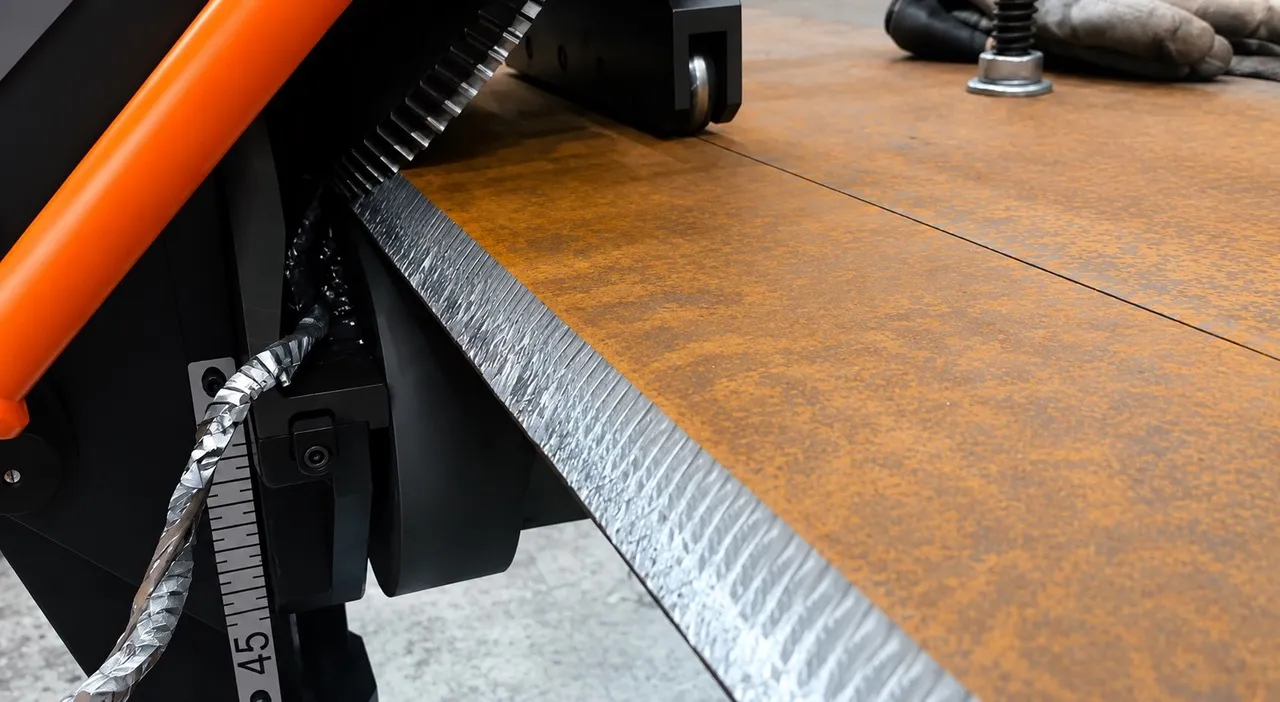
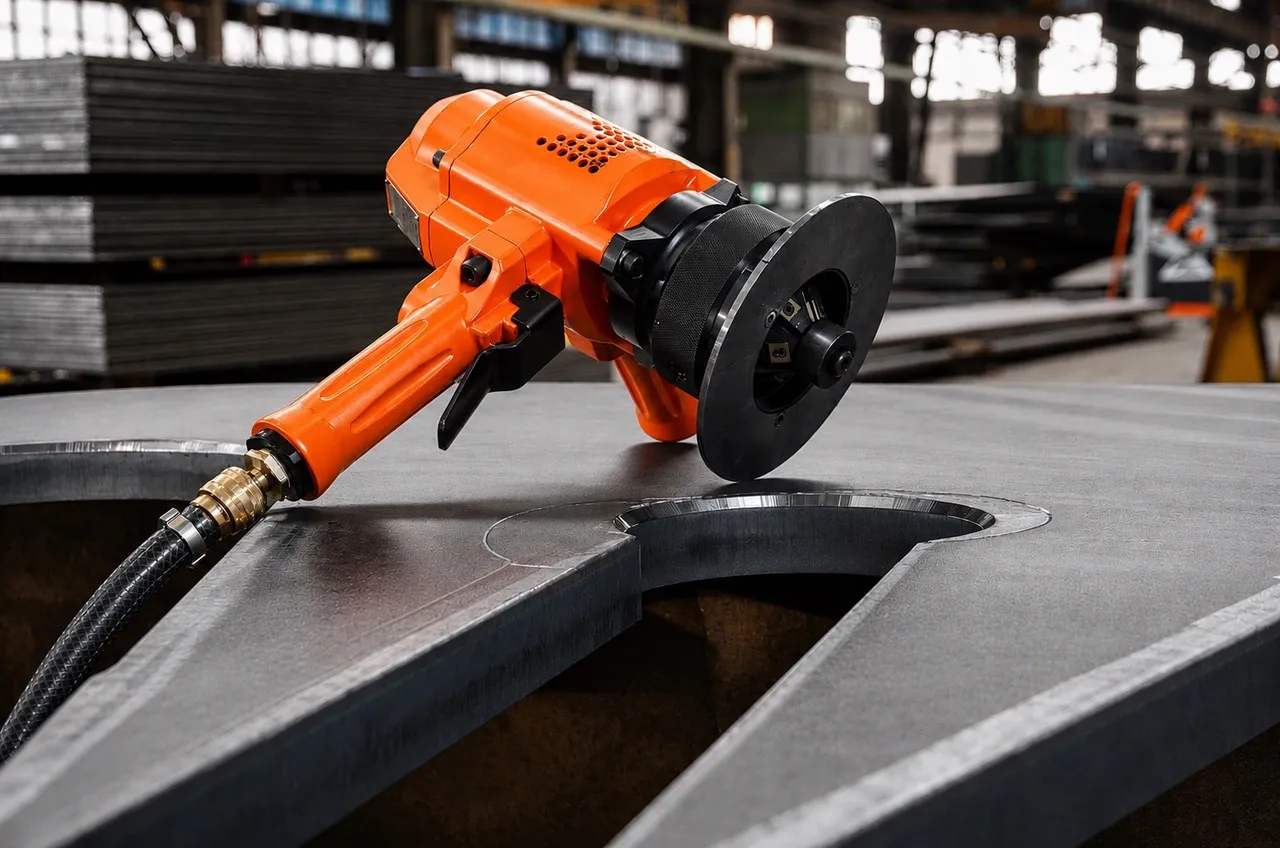
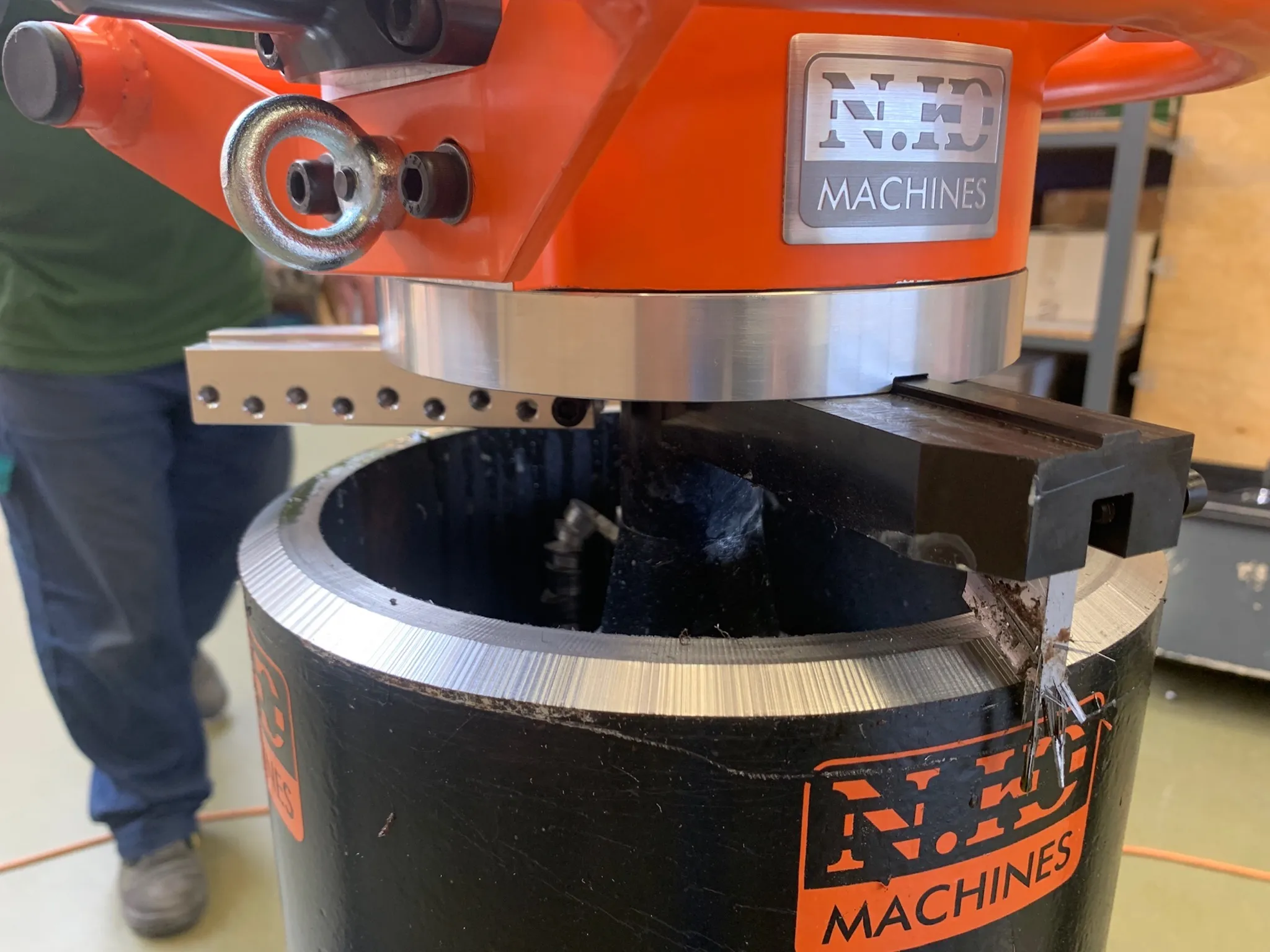
La smussatura lavorata garantisce una geometria precisa, superfici pulite e ripetibilità, indipendentemente dalla variabilità dell'operatore.
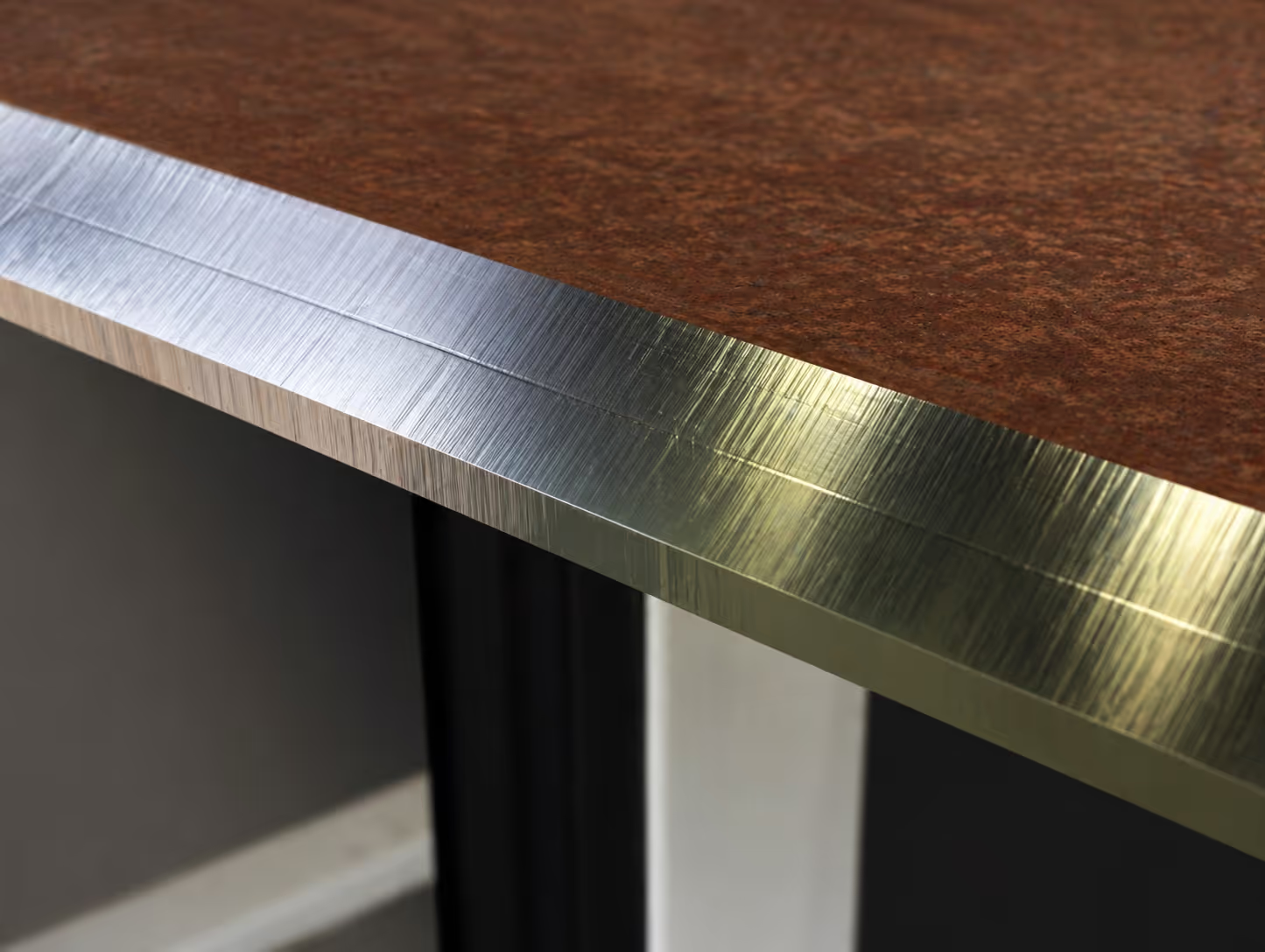
La lavorazione meccanica garantisce una geometria uniforme e conforme agli standard su tutti i pezzi.
Ciò riduce l'incertezza e garantisce un'esecuzione affidabile ai più elevati livelli di certificazione.

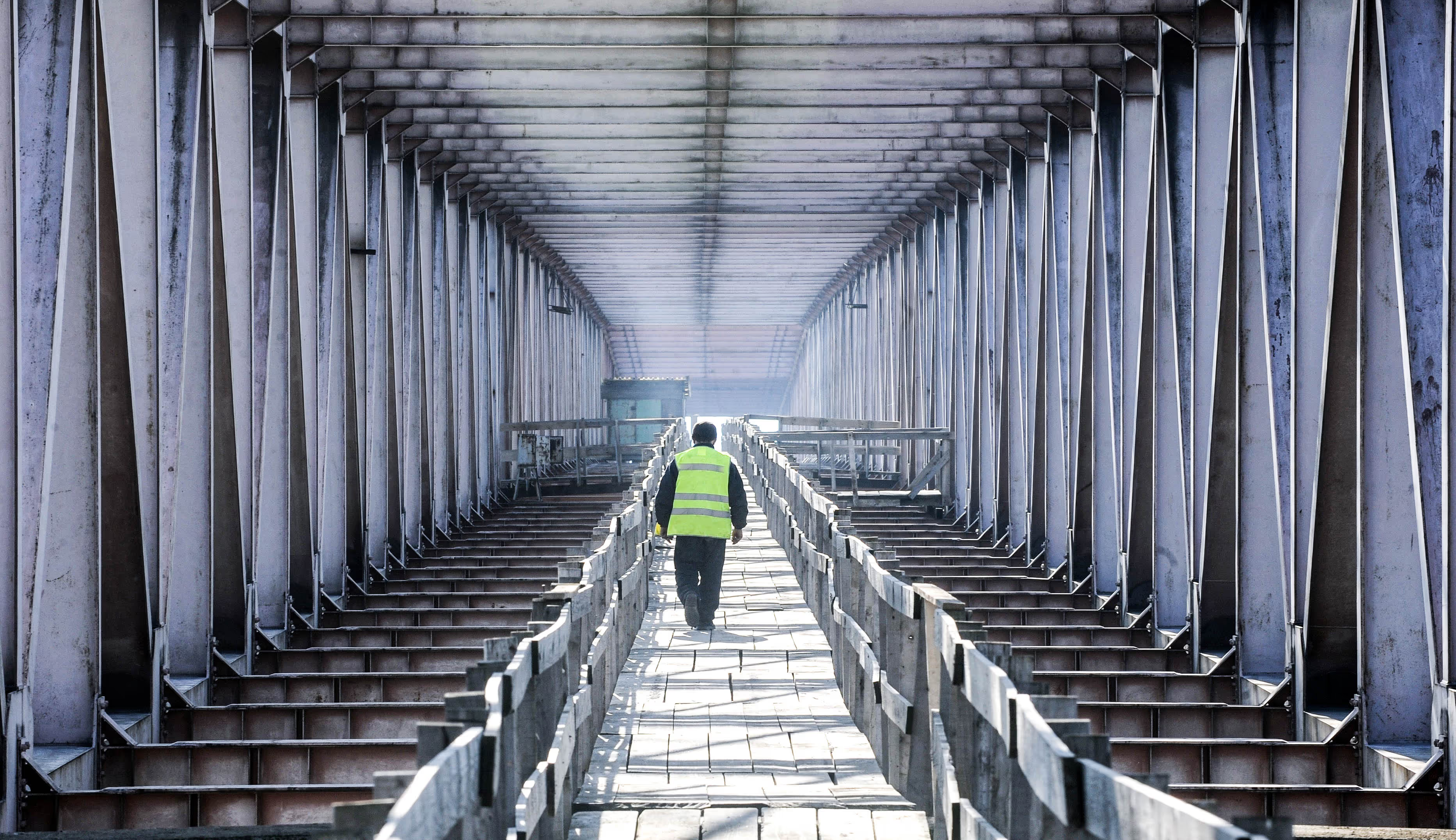
Una geometria smussata imprecisa porta a una penetrazione incompleta, inclusioni o irregolarità nella saldatura.
La preparazione meccanica migliora significativamente i tassi di accettazione al primo tentativo durante le ispezioni non distruttive.
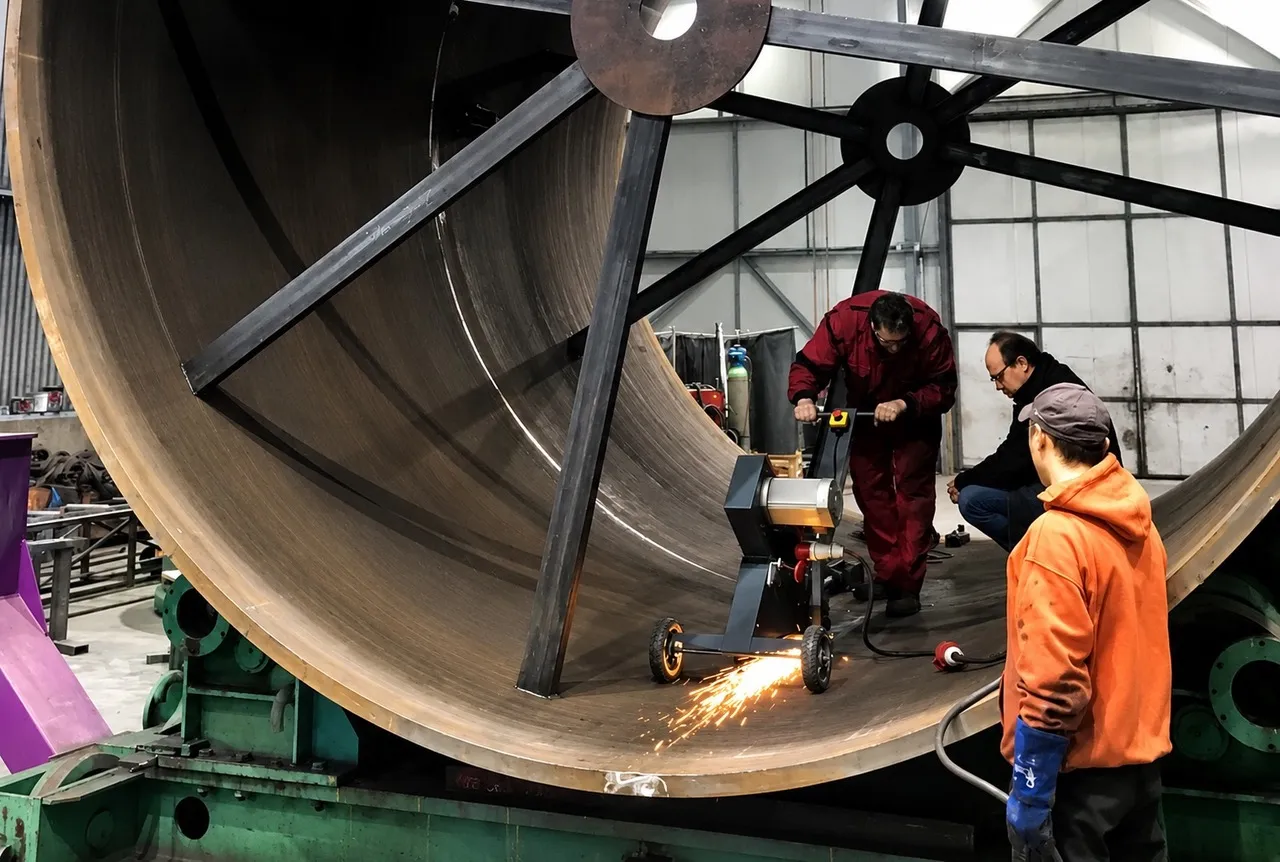
Le strutture dei ponti spesso coinvolgono piastre spesse, impalcati ortotropi o giunti tubolari. La smussatura meccanica gestisce queste geometrie complesse in modo affidabile e costante.
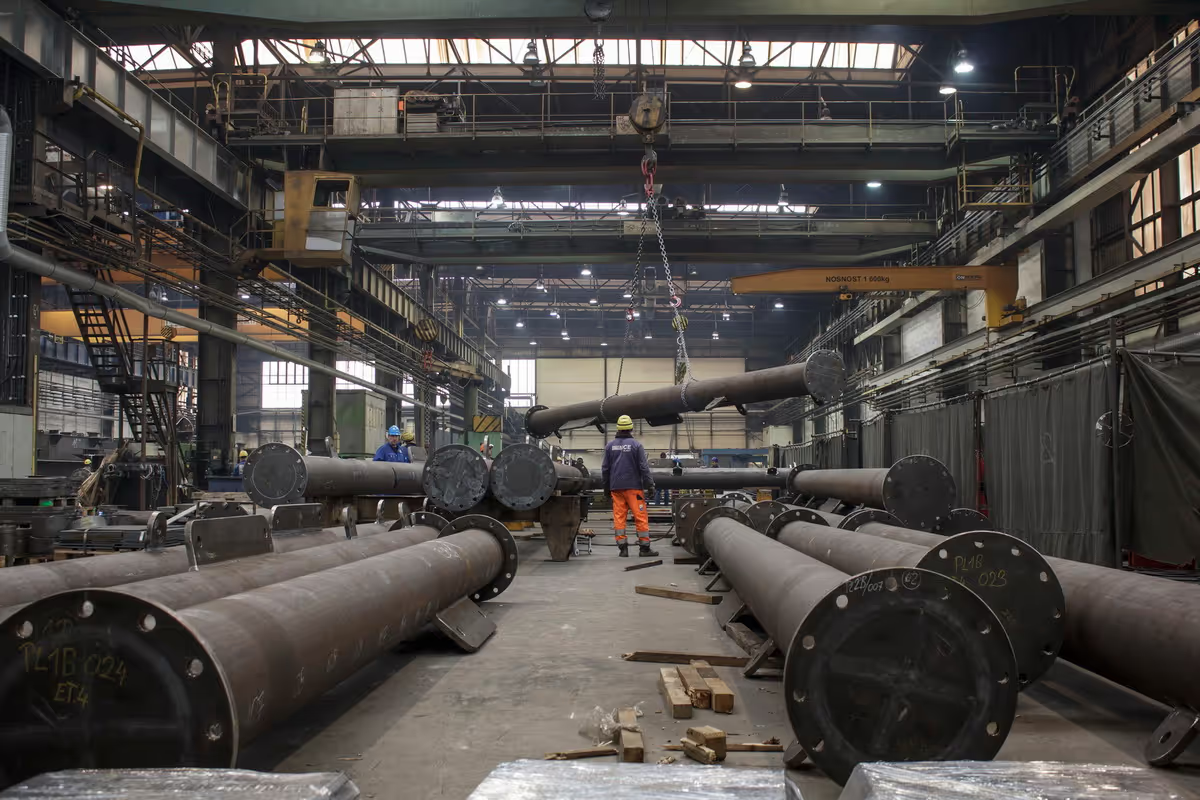

Nella moderna costruzione di ponti si fa sempre più ricorso a sistemi di saldatura automatizzati. Questi sistemi dipendono da una geometria di giunzione uniforme, che la preparazione manuale non può garantire.
I progetti di costruzione di ponti richiedono la completa tracciabilità e documentazione dei processi produttivi. La smussatura meccanica offre un processo ripetibile e verificabile che supporta le ispezioni e la certificazione.
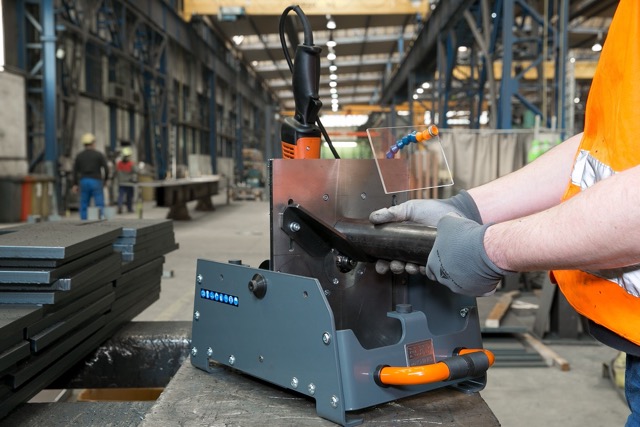
Operano tutti alle stesse condizioni: severi requisiti di certificazione, scadenze ravvicinate e grande responsabilità per le prestazioni a lungo termine.
.avif)