
Inglese
Informarsi
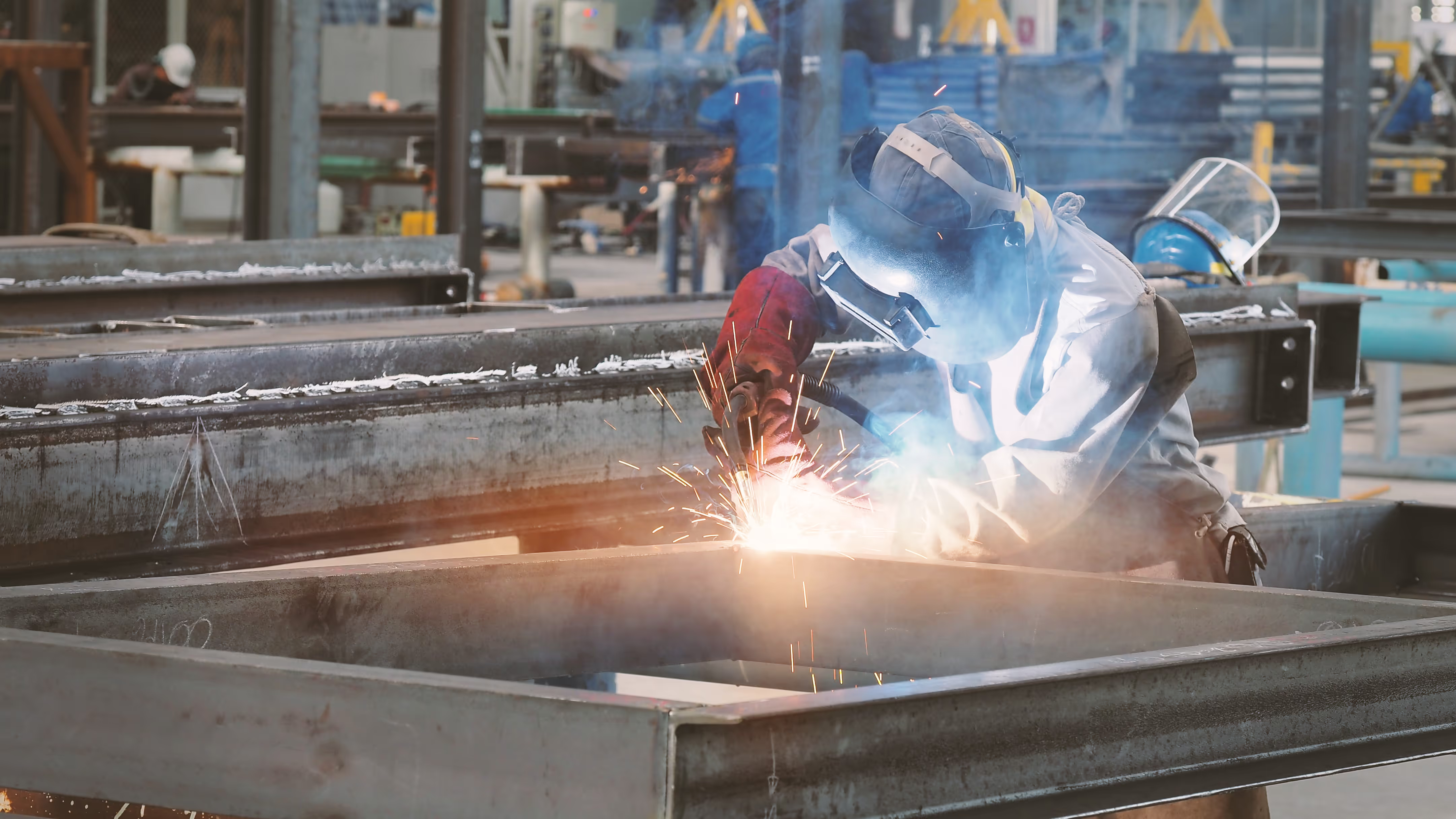
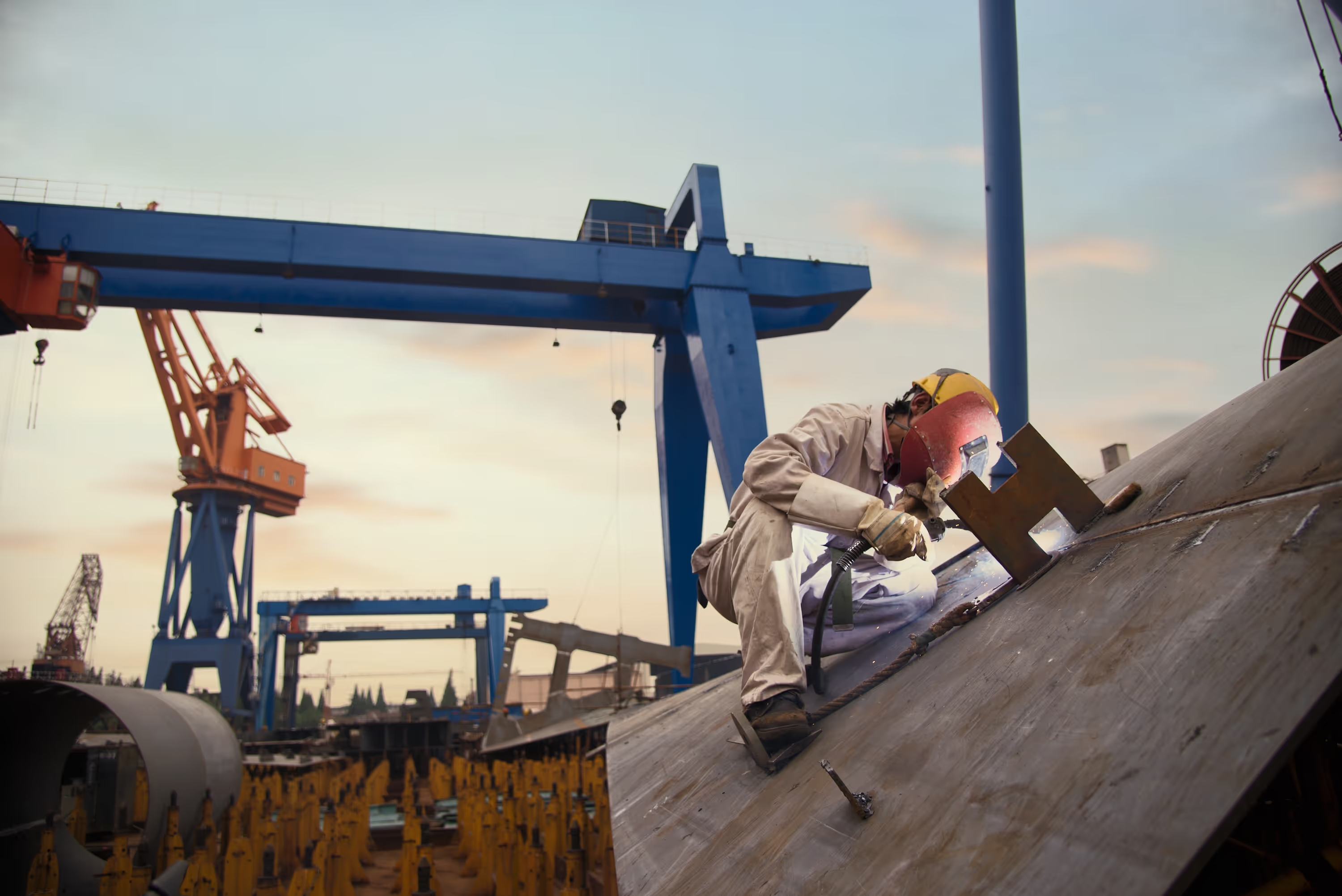
Le aziende che producono o assemblano strutture in acciaio investono ingenti somme nelle tecnologie di saldatura.
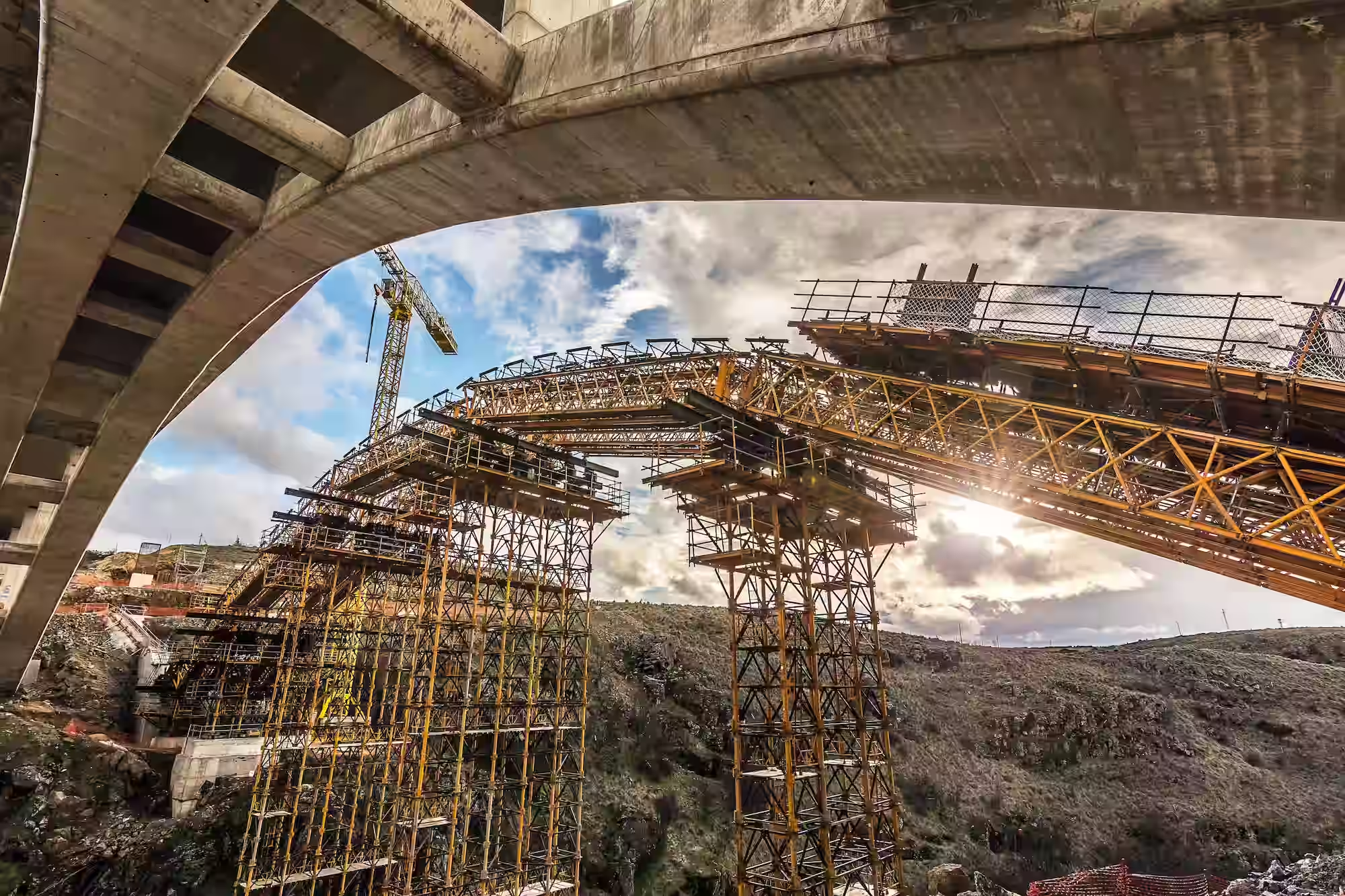
Spesso si presta molta meno attenzione a ciò che precede la saldatura: la preparazione dei bordi di saldatura. Eppure è proprio in questa fase che si possono ottenere notevoli miglioramenti in termini di qualità, produttività ed efficienza dei costi. Capannoni in acciaio, ponti, piattaforme industriali o binari per gru dipendono tutti dall'affidabilità delle saldature.
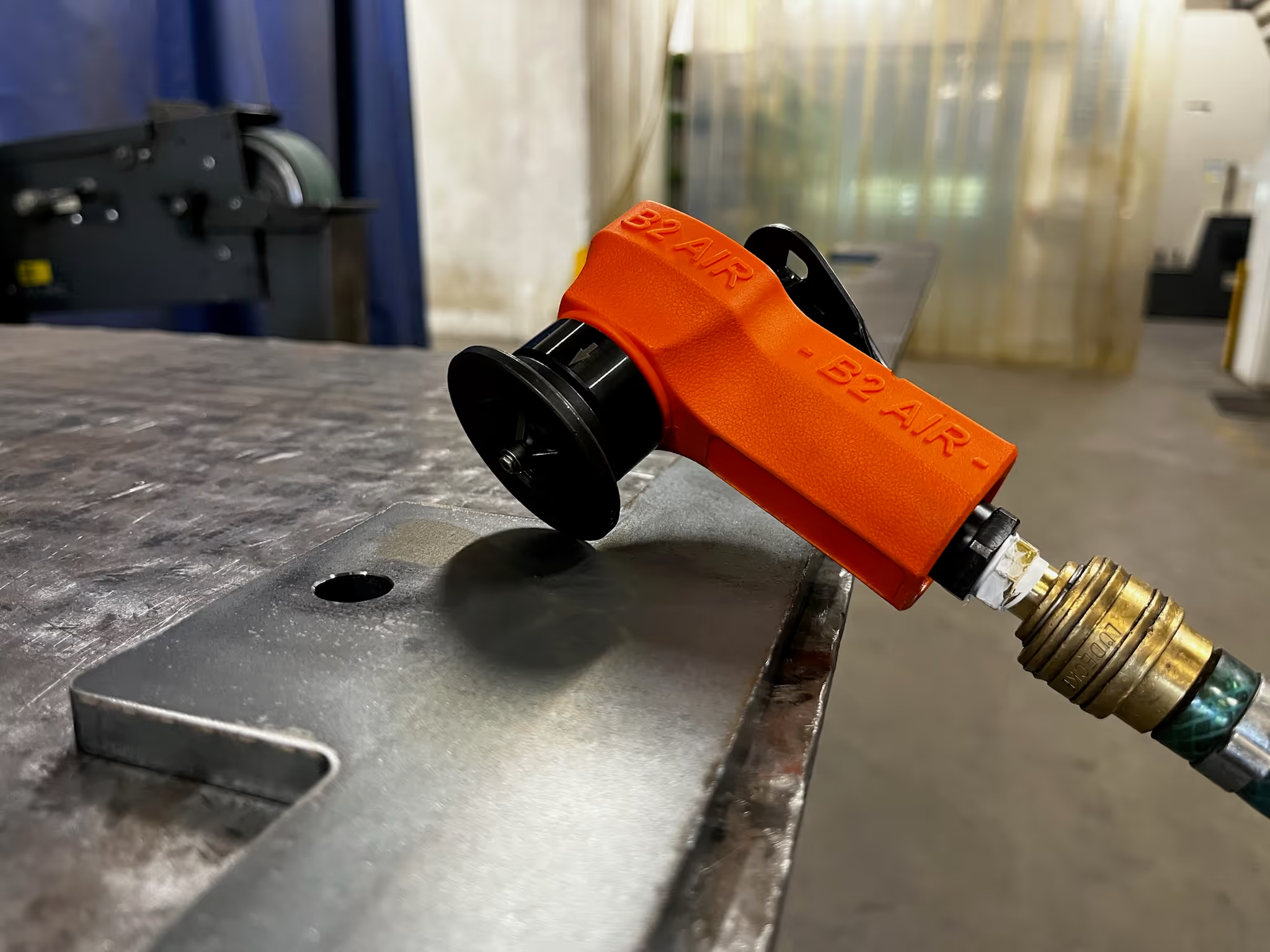
L'affidabilità della saldatura inizia dalla qualità della preparazione dei bordi. La geometria della smussatura, la qualità della superficie e la consistenza del giunto sono fondamentali. Le aziende che sostituiscono la molatura manuale o il taglio a fiamma con macchine smussatrici acquisiscono un netto vantaggio competitivo in termini di qualità, costi, velocità e conformità.

La sostituzione della preparazione manuale con la lavorazione meccanica consente di ottenere vantaggi tangibili lungo l'intero flusso di lavoro di fabbricazione.
La lavorazione dell'acciaio è un settore altamente competitivo.
I clienti, che spaziano dalle imprese edili generali alle compagnie energetiche e ai produttori industriali, valutano i fornitori non solo in base al prezzo, ma sempre più spesso anche in base alla qualità comprovata e alle certificazioni.
Standard come EN 1090 o ISO 3834 non sono più facoltativi, ma obbligatori.
In questo contesto, ogni miglioramento nella stabilità del processo è importante.
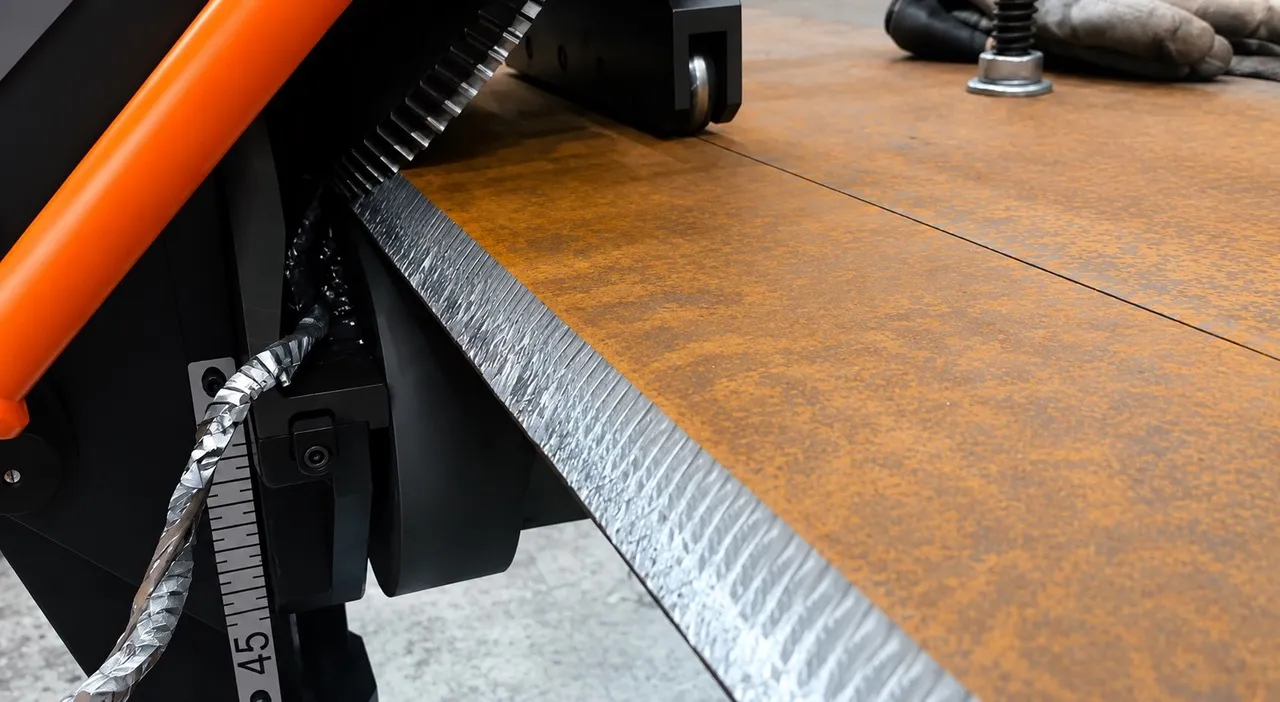
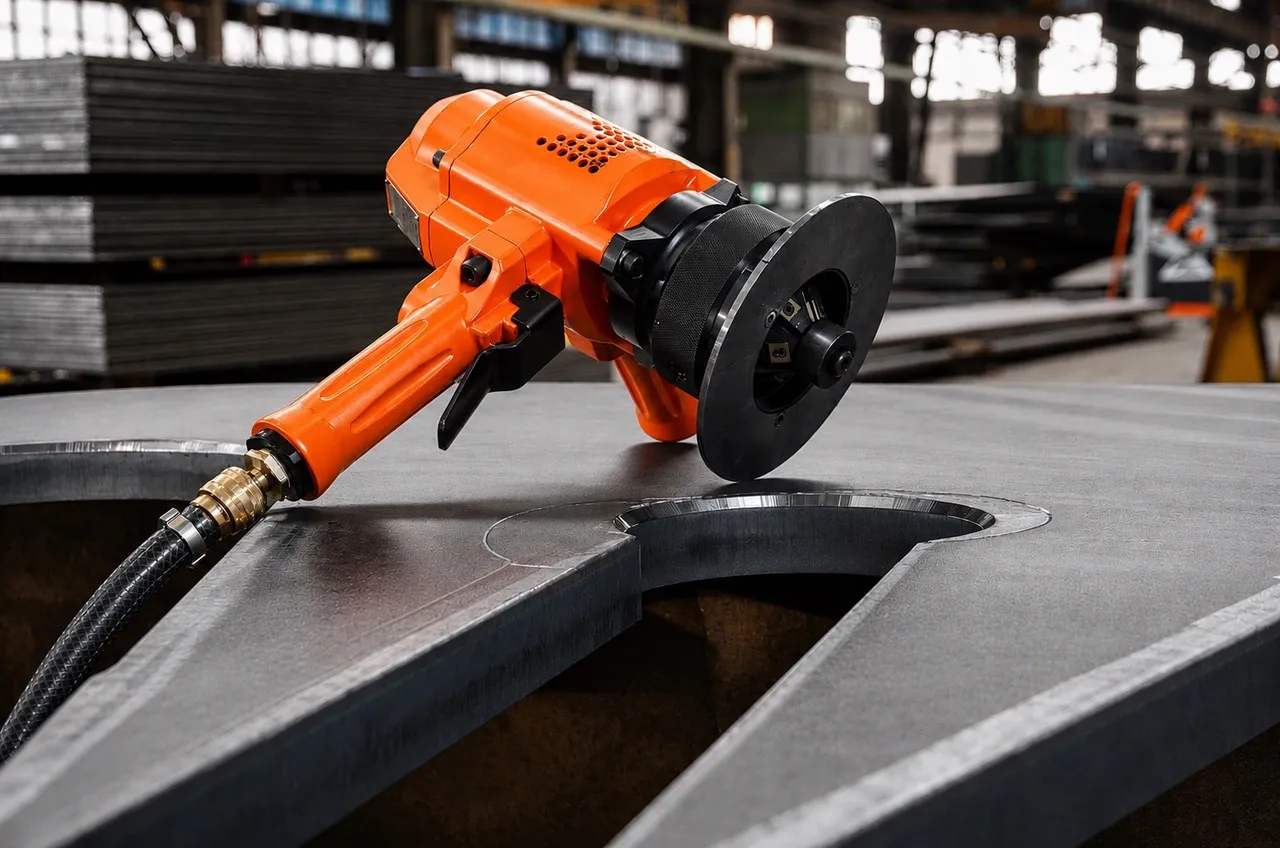
L'utilizzo di macchine smussatrici per la preparazione alla saldatura, in particolare per la smussatura e la lavorazione dei bordi delle lamiere, offre risultati misurabili:

La lavorazione dei biselli è diverse volte più veloce della rettifica manuale.
Nella produzione in serie di travi, telai saldati o componenti strutturali, ciò si traduce in ore di risparmio ogni settimana. Tempi di preparazione più brevi migliorano il flusso produttivo e aumentano la capacità, senza bisogno di assumere altro personale.
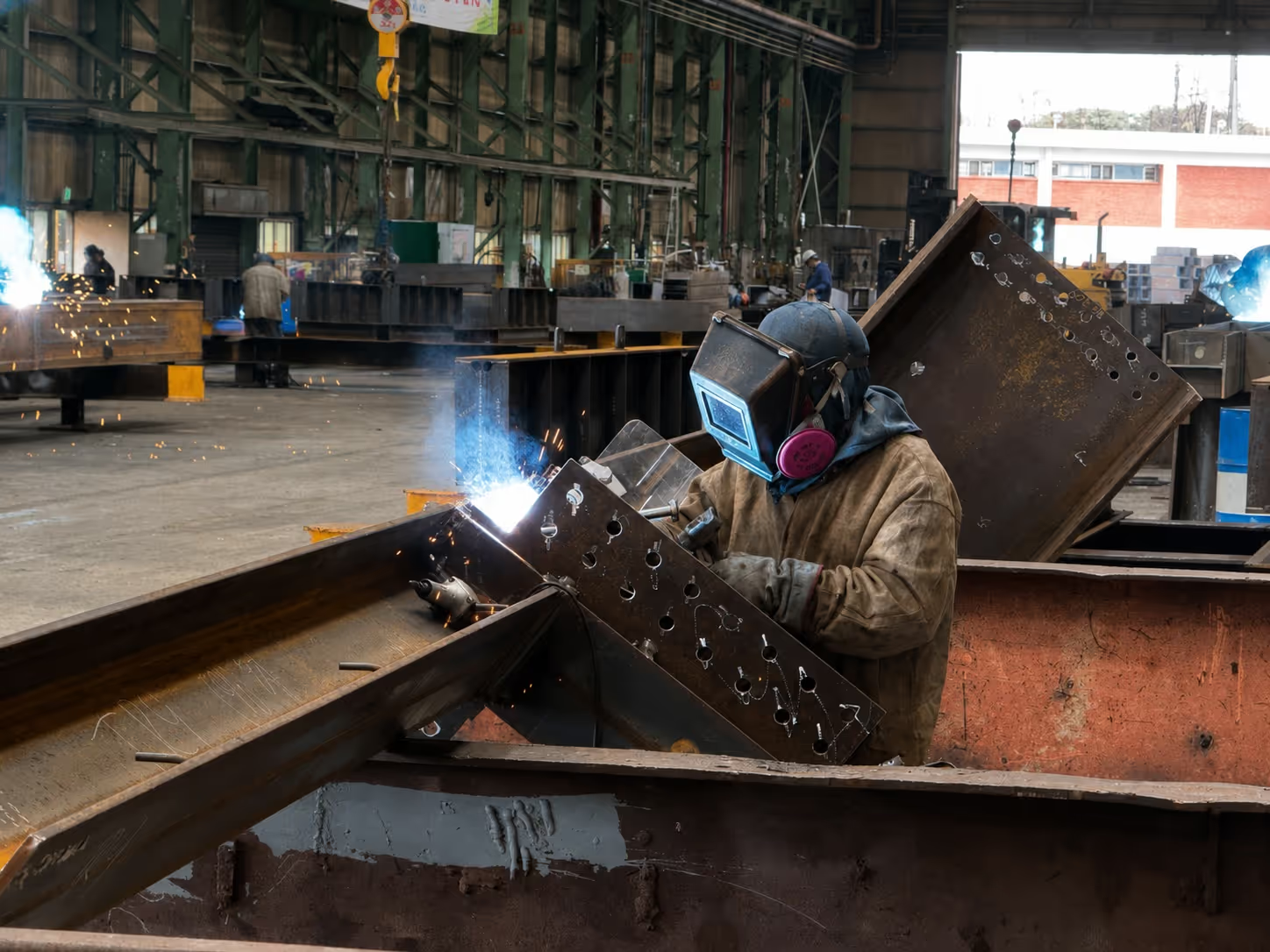
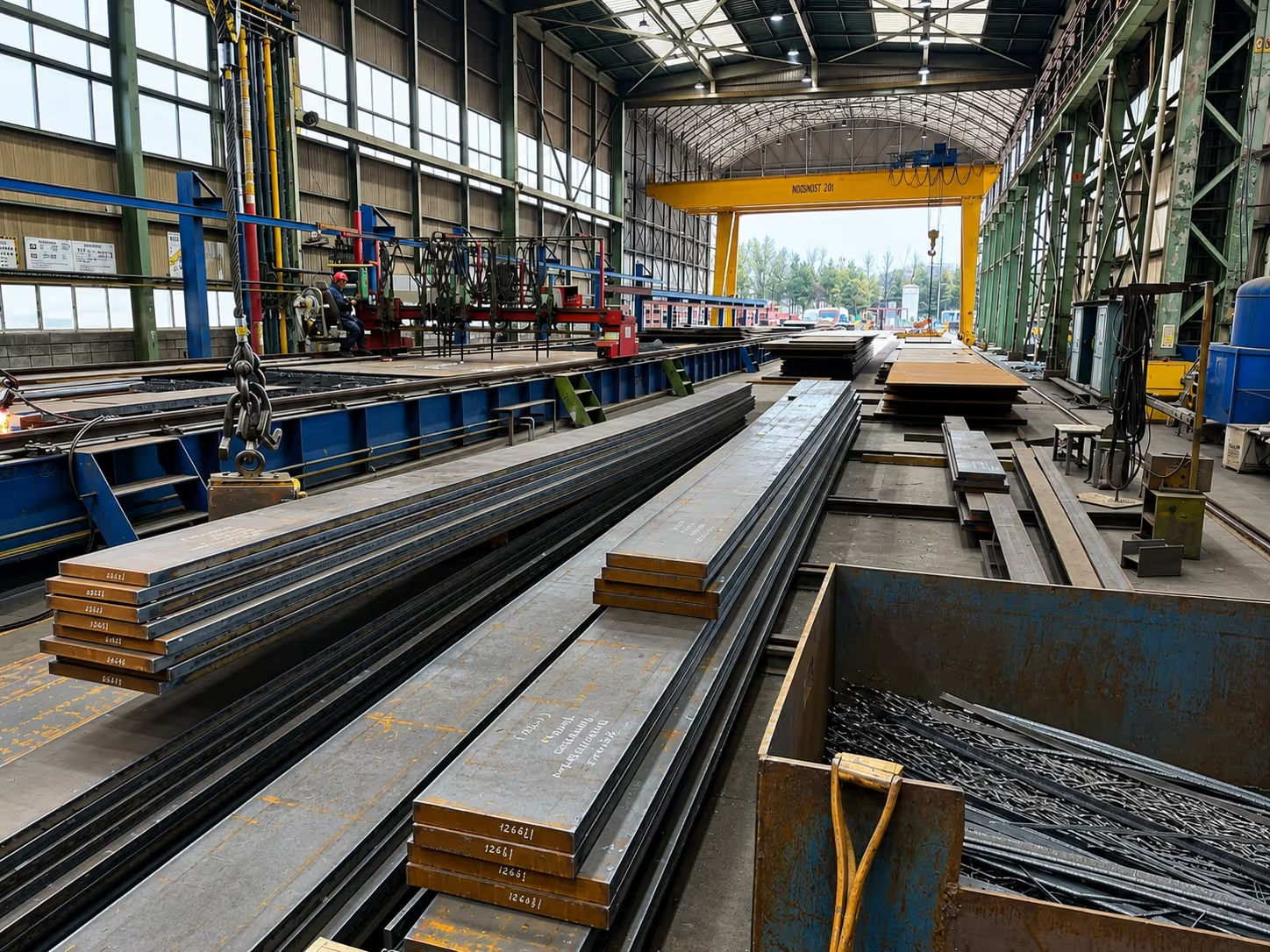
Una grande percentuale di difetti di saldatura è dovuta a una preparazione inadeguata dei bordi.
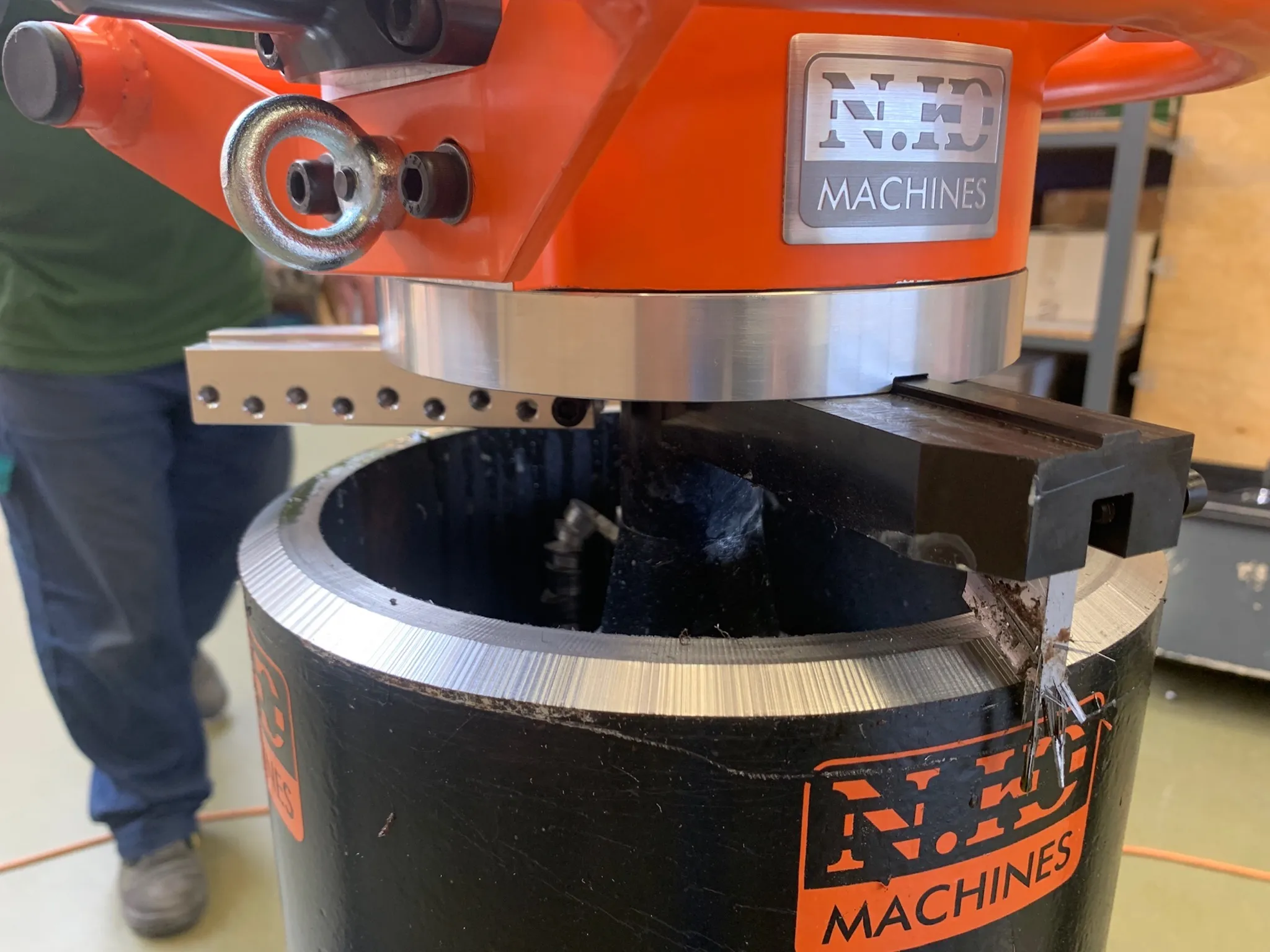
Geometria degli smussi non uniforme o superfici ossidate causano problemi di saldatura e ispezioni non superate. La lavorazione meccanica rimuove gli strati superficiali, garantisce metallo pulito e crea una geometria precisa delle scanalature. Il risultato è un minor numero di difetti rilevati durante le ispezioni non distruttive, meno rilavorazioni e minori scarti.
Norme come EN 1090-2, EN ISO 9692 o AWS D1.1 definiscono requisiti rigorosi per la preparazione delle saldature. Le smussature ottenute tramite lavorazione meccanica soddisfano questi requisiti in modo costante e ripetibile, indipendentemente dall'abilità dell'operatore. Ciò semplifica la certificazione, gli audit e la documentazione delle procedure di saldatura (WPS).
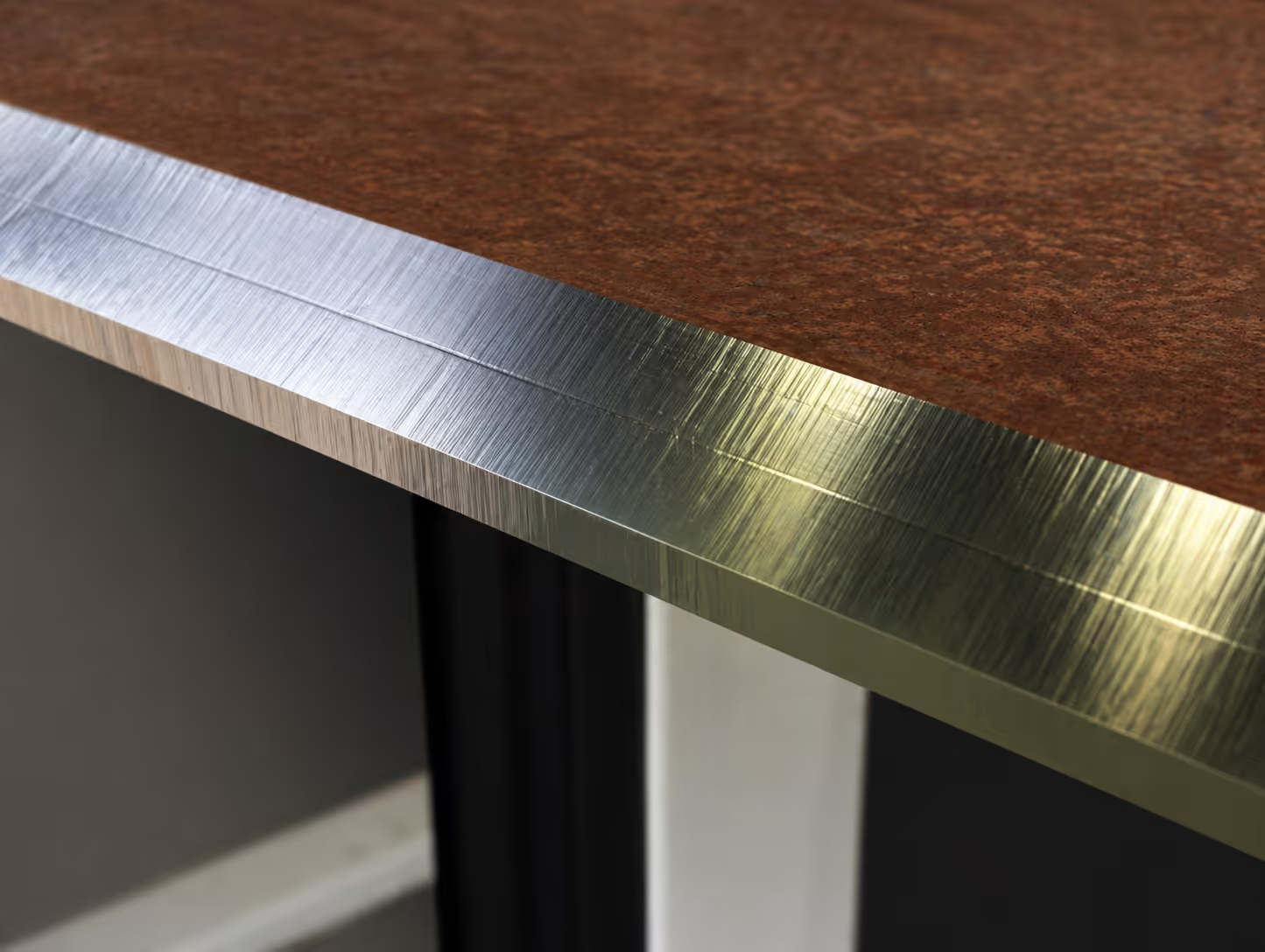

I sistemi di saldatura automatizzati e robotizzati richiedono una geometria di giunzione coerente e ripetibile.
La preparazione manuale non può garantire questo livello di precisione. La lavorazione meccanica offre la costanza necessaria per l'automazione ed è spesso il primo passo verso la saldatura robotizzata.
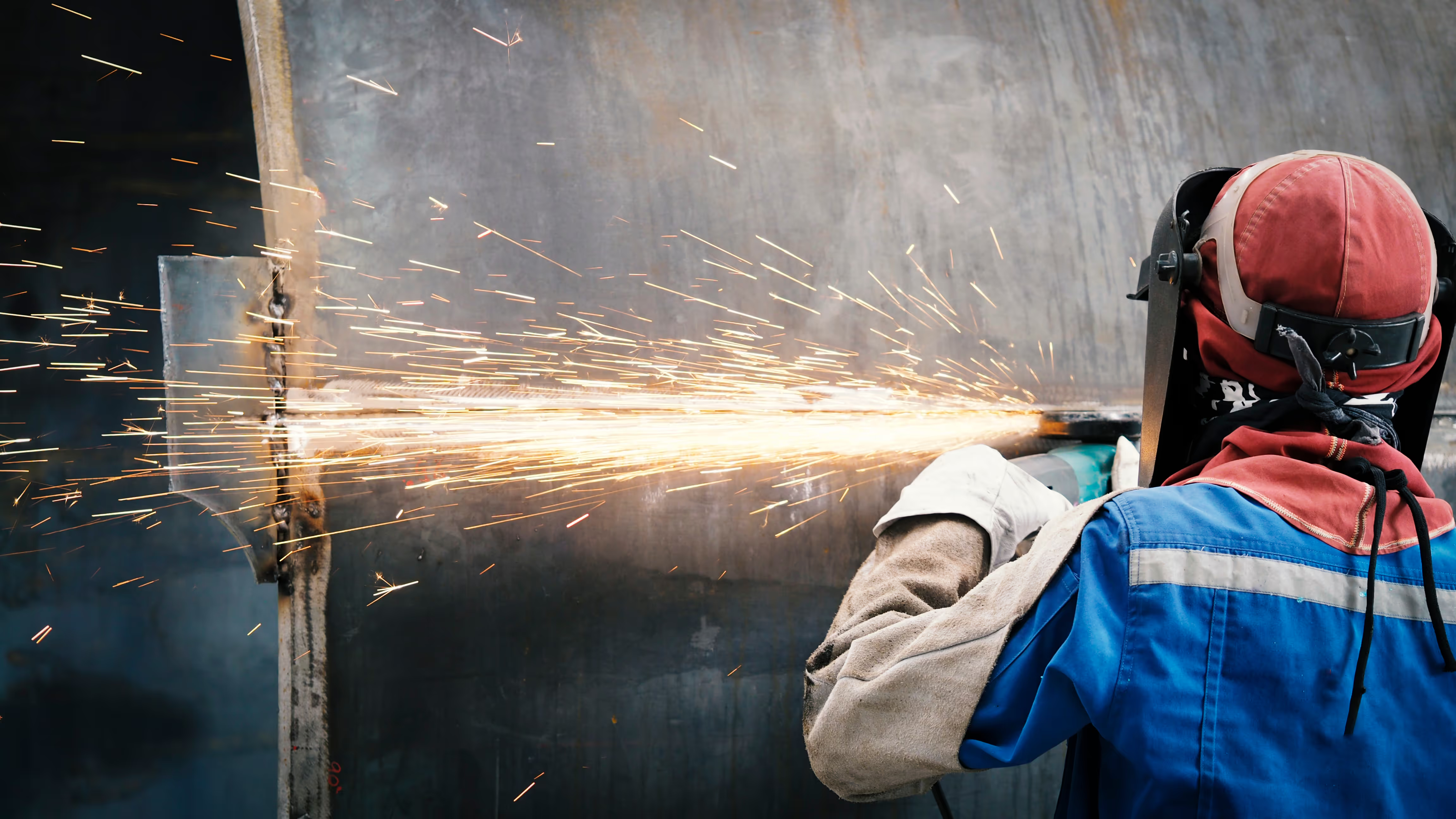
La molatura manuale è un'operazione lunga, fisicamente impegnativa, rumorosa e polverosa.
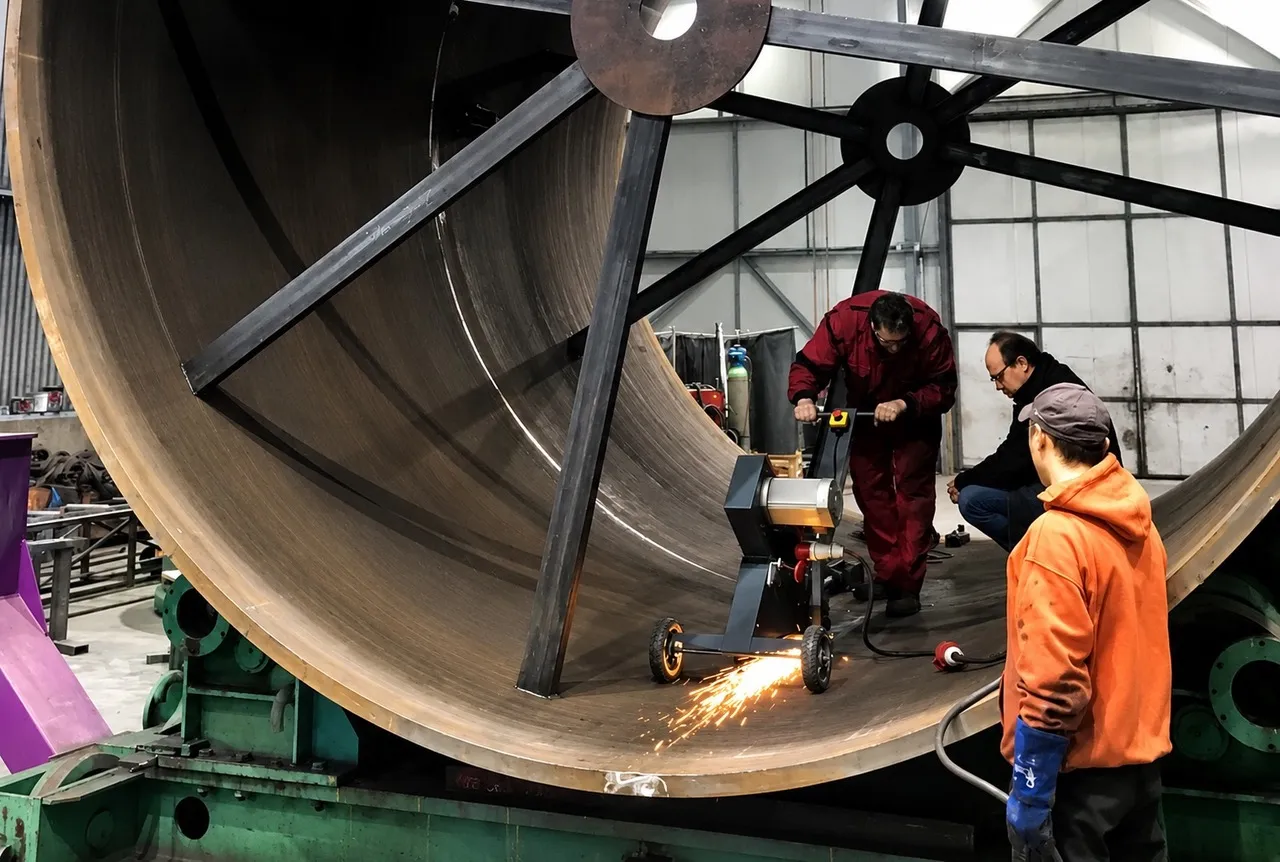
Le soluzioni di lavorazione meccanica riducono significativamente lo sforzo dell'operatore e migliorano la sicurezza sul lavoro. Permettono inoltre ai lavoratori specializzati di concentrarsi su attività a maggior valore aggiunto, aspetto fondamentale in un mercato con manodopera qualificata limitata.
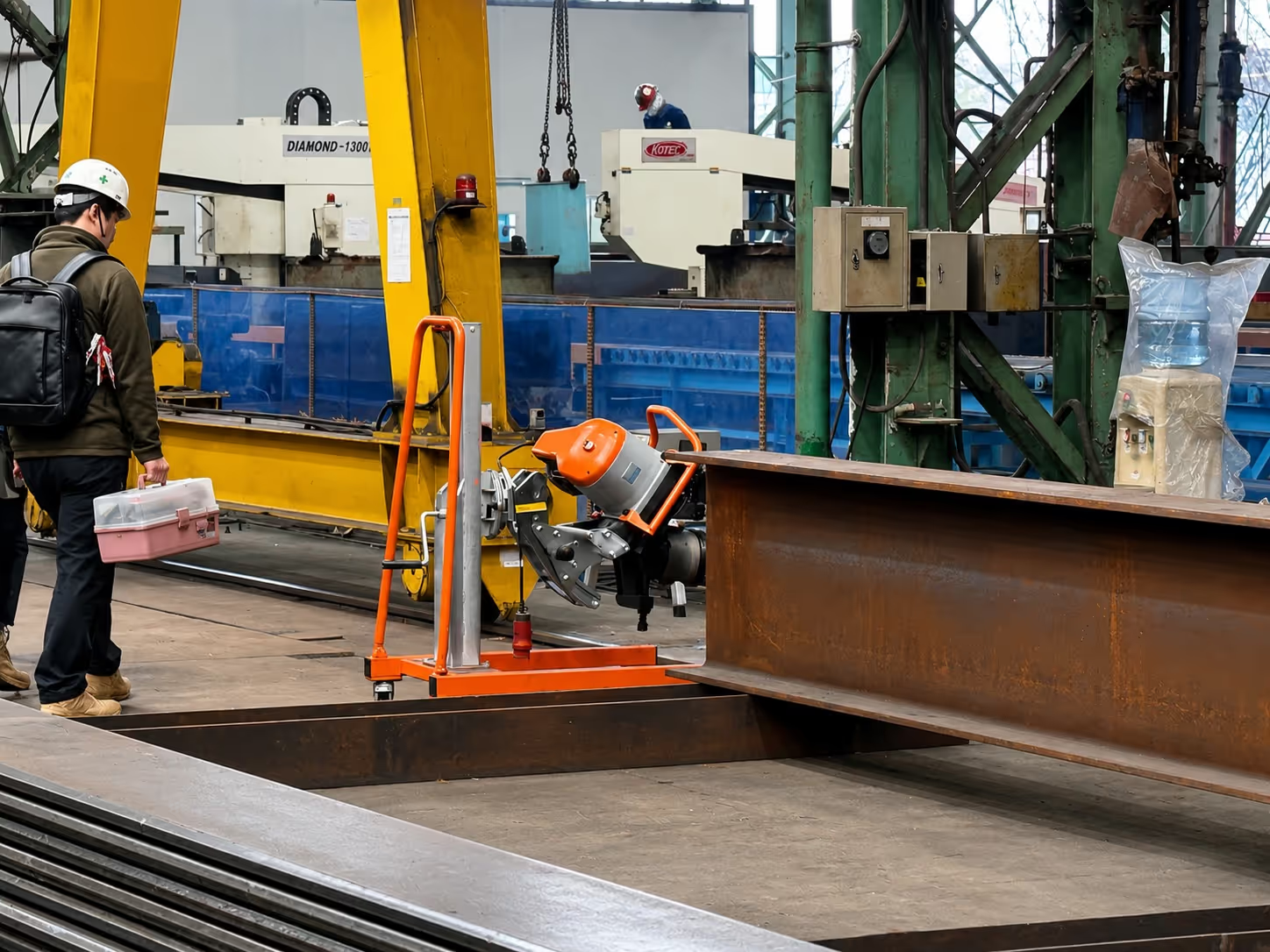
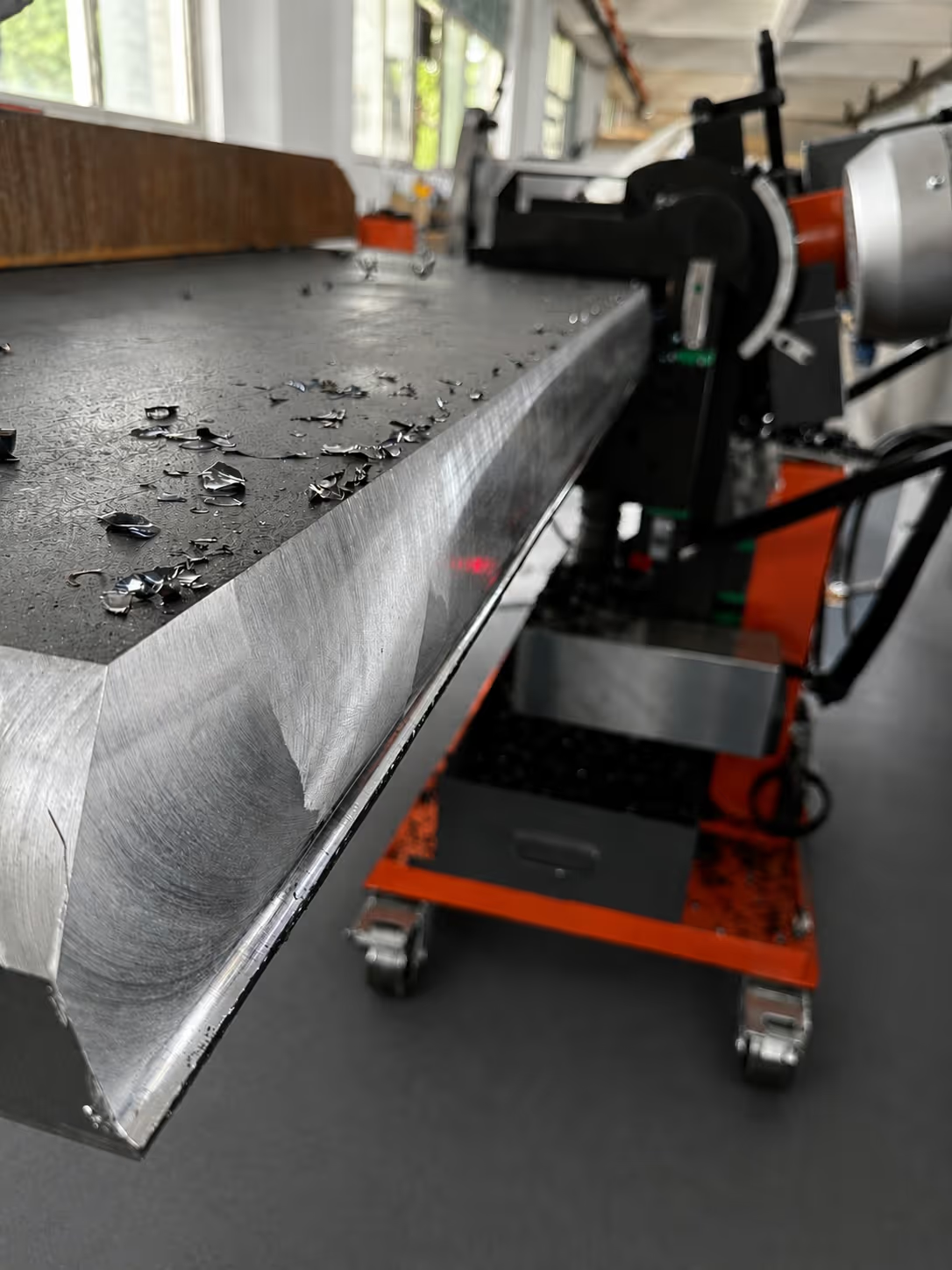
Una geometria precisa della smussatura garantisce un volume di saldatura controllato. Solchi irregolari o sovradimensionati, comuni nella preparazione manuale, aumentano il consumo di materiale d'apporto, allungano i tempi di saldatura e incrementano l'apporto termico.
La lavorazione meccanica contribuisce a ridurre sistematicamente questi costi.
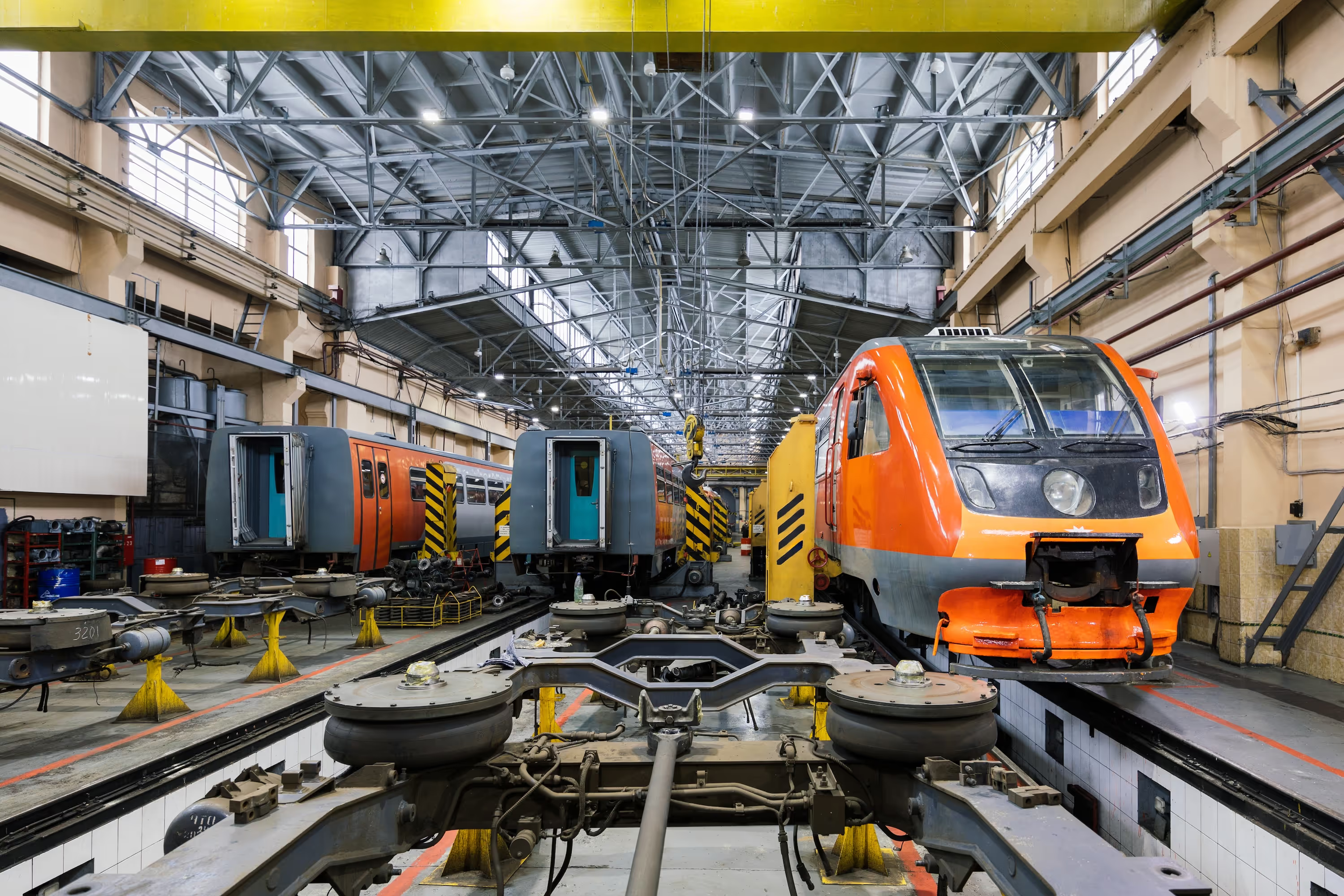
Tutti questi progetti condividono le stesse sfide: rigorosi requisiti di qualità, scadenze ravvicinate e pressione sui costi, oltre alla necessità di un processo produttivo affidabile e ripetibile.
.avif)