
Englisch
Anfragen
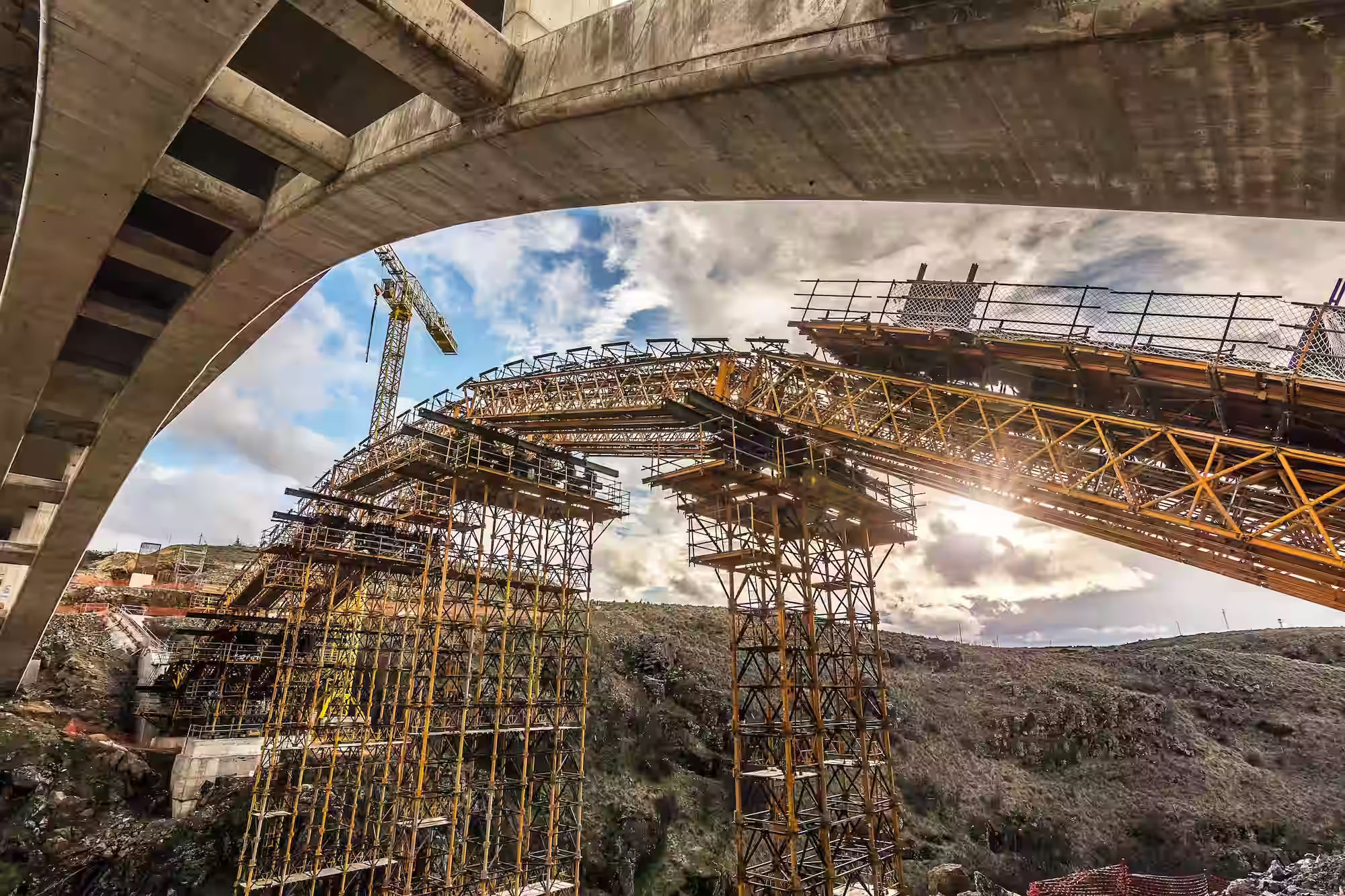
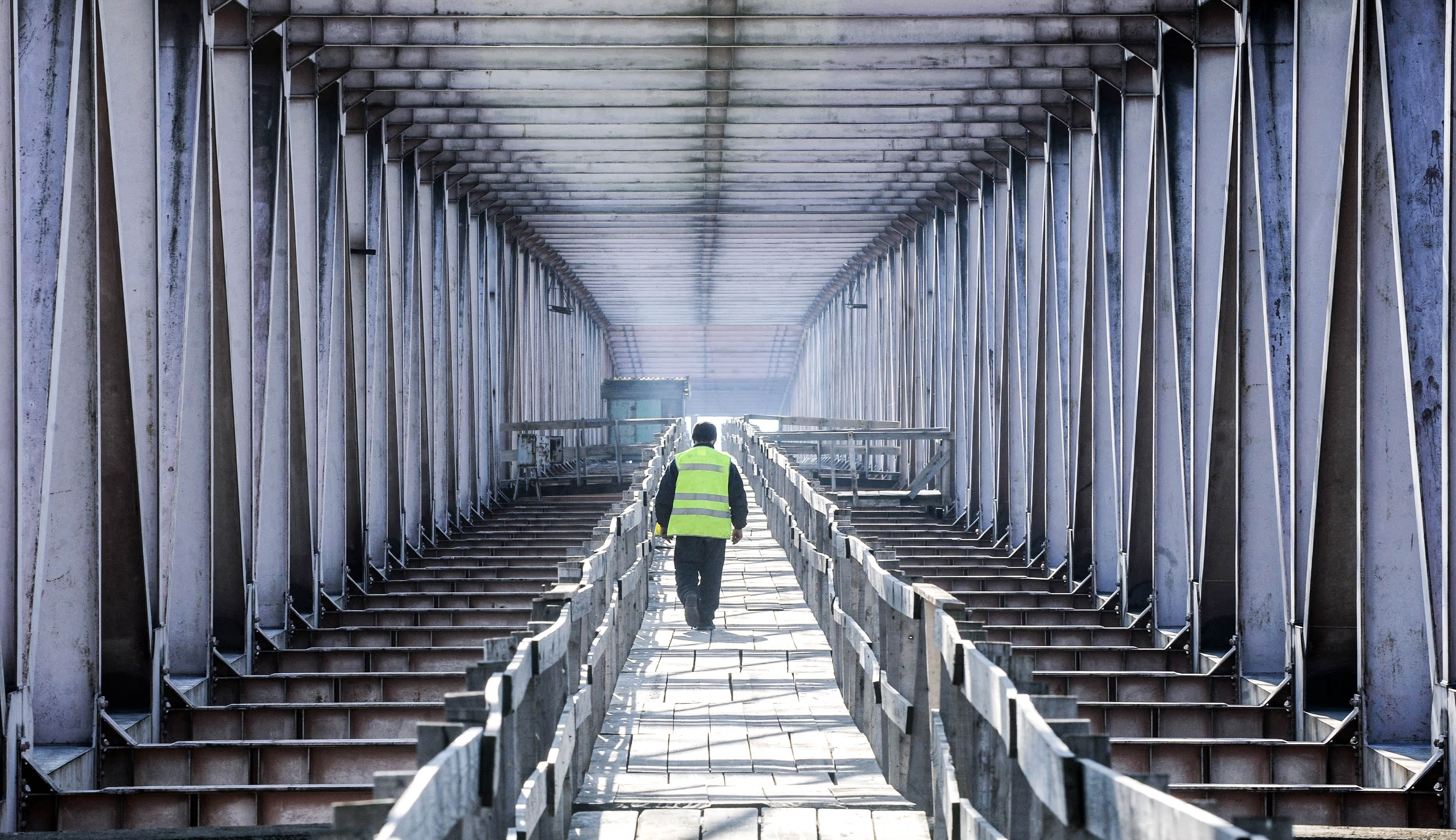
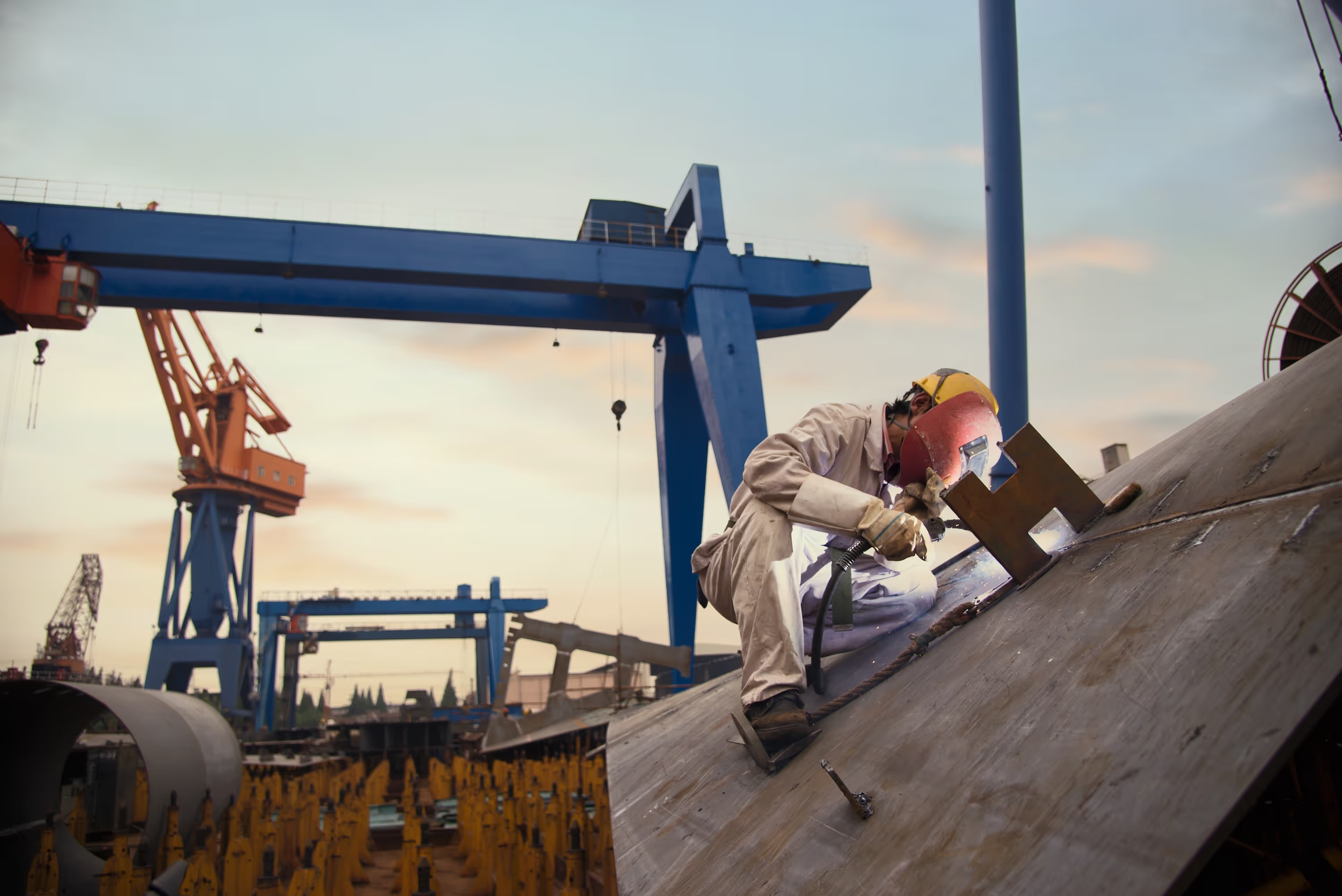
Bridge structures are designed to carry dynamic loads for decades — often 50, 100 or more years.
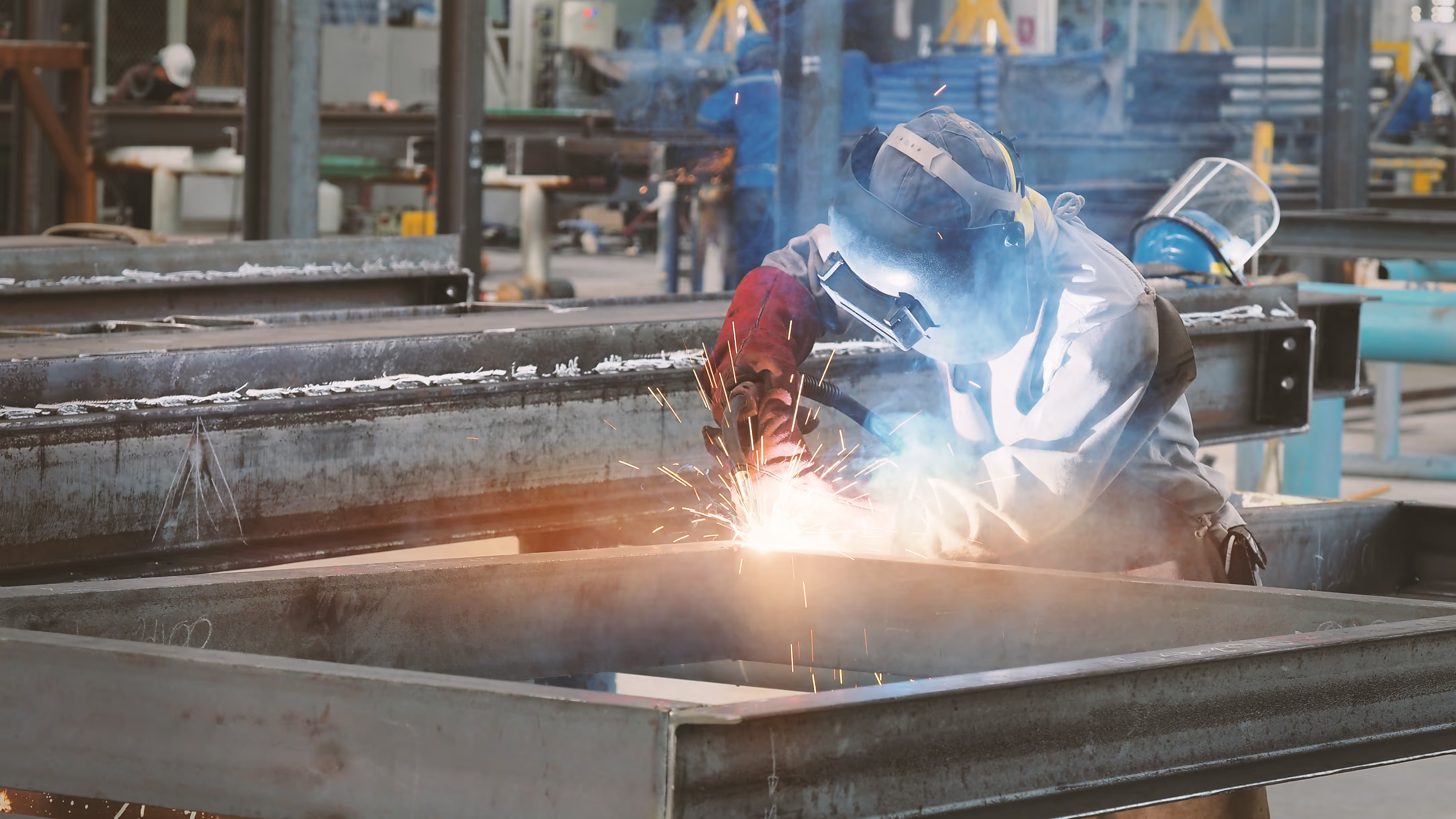
Every weld must withstand continuous stress, vibration and environmental exposure.In this context, weld preparation is not a detail — it is the foundation of structural integrity. Steel components for bridges operate under the highest execution classes, where failure is not an option.
The geometry of the weld, the cleanliness of the surface and the consistency of preparation directly affect the long-term behavior of the structure.
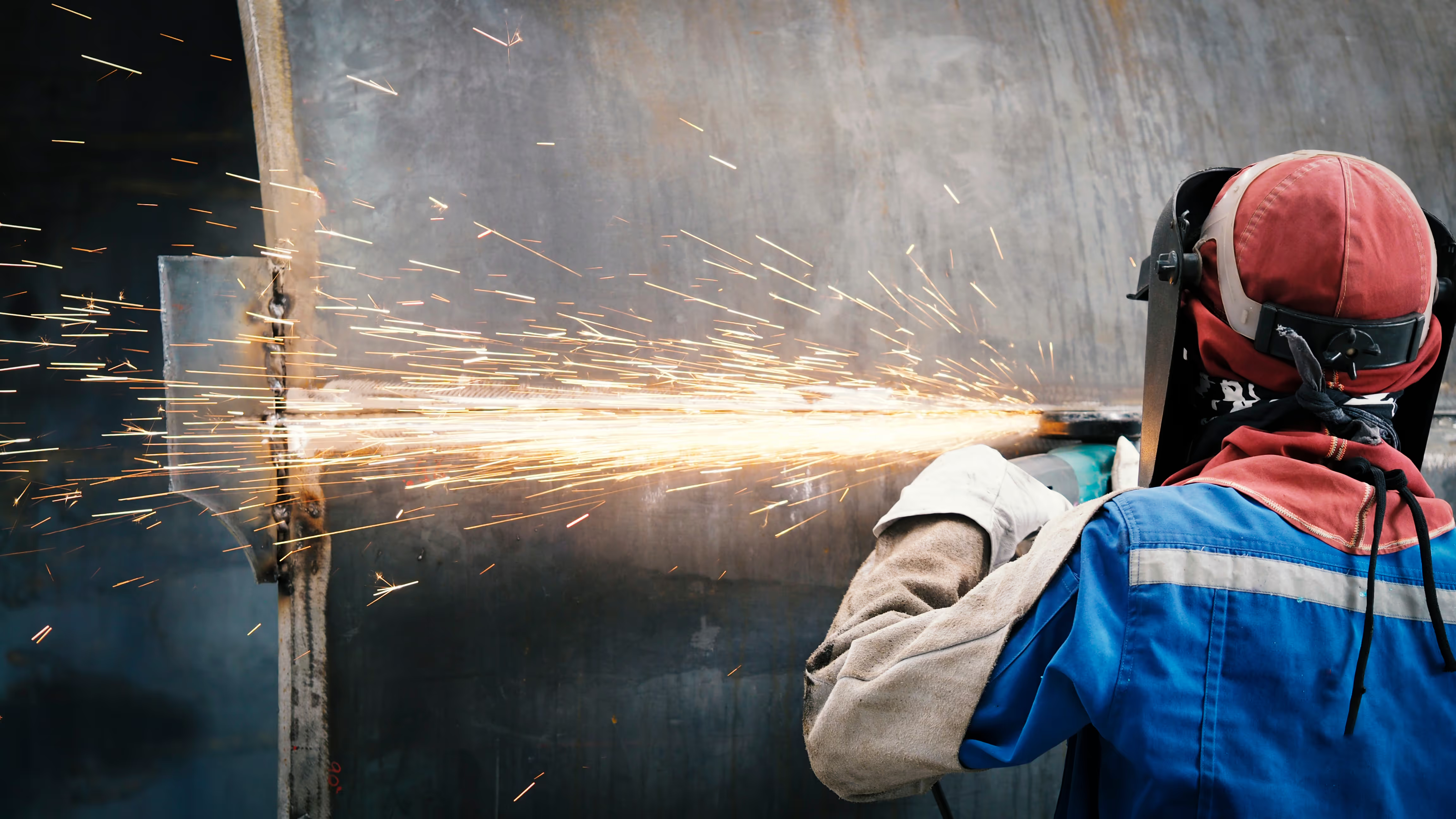
Companies that rely on manual grinding or thermal cutting introduce variability into a process that requires absolute control. Machined beveling removes that variability — and brings predictability into weld performance.

Bridge fabrication operates under some of the strictest standards in steel construction.
Standards such as EN 1090-2 EXC3 and EXC4 define tight tolerances for weld preparation, surface condition and execution.
NDT inspections — ultrasonic, radiographic or magnetic — are standard.
Every detected defect means costly repair, rework or even rejection of large components.
Manual methods struggle to meet these requirements consistently.
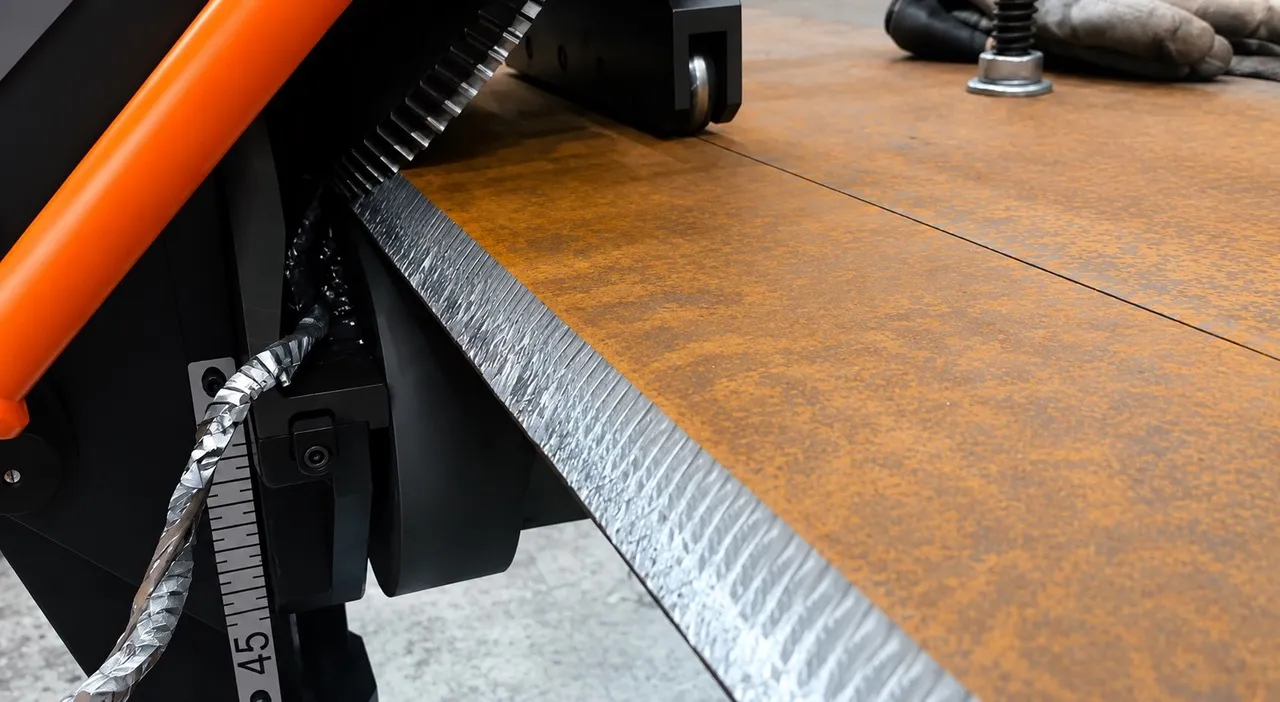
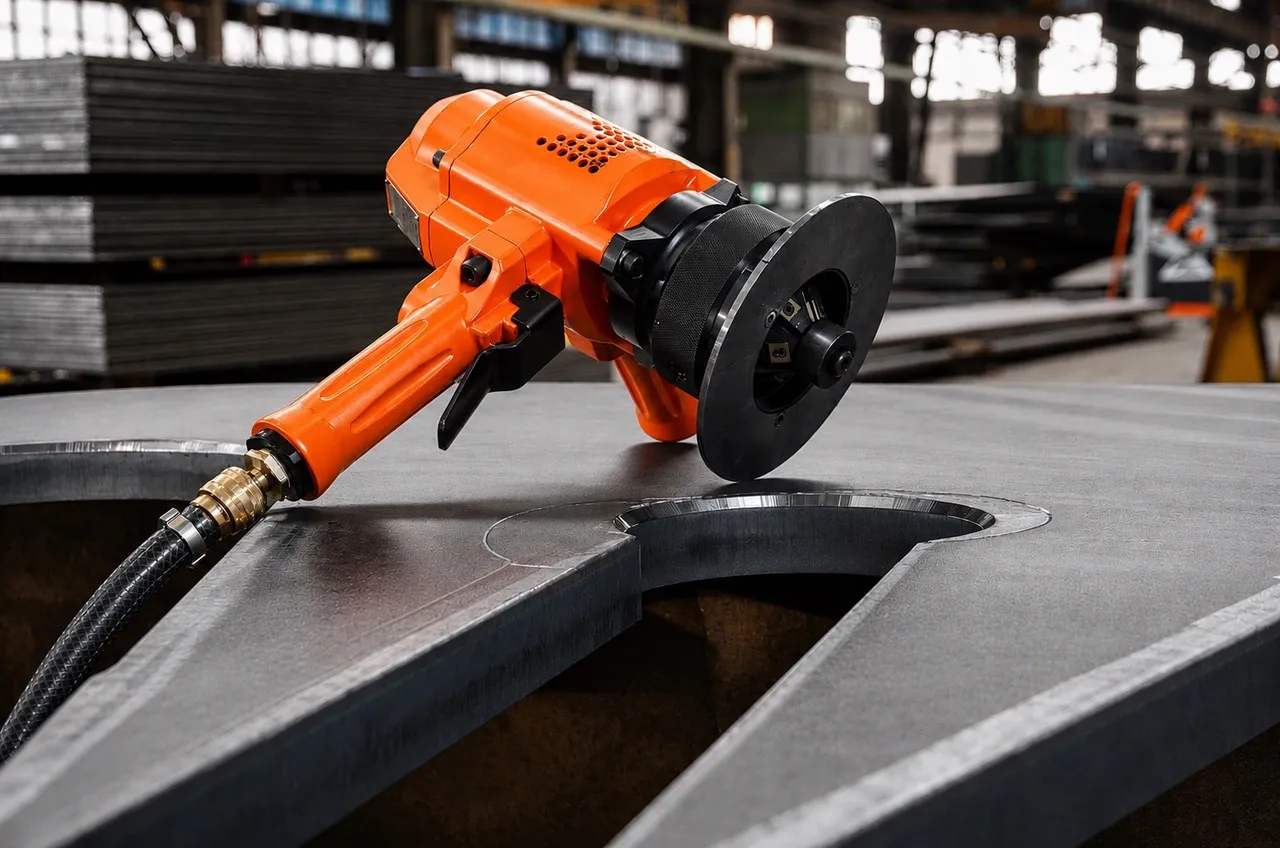
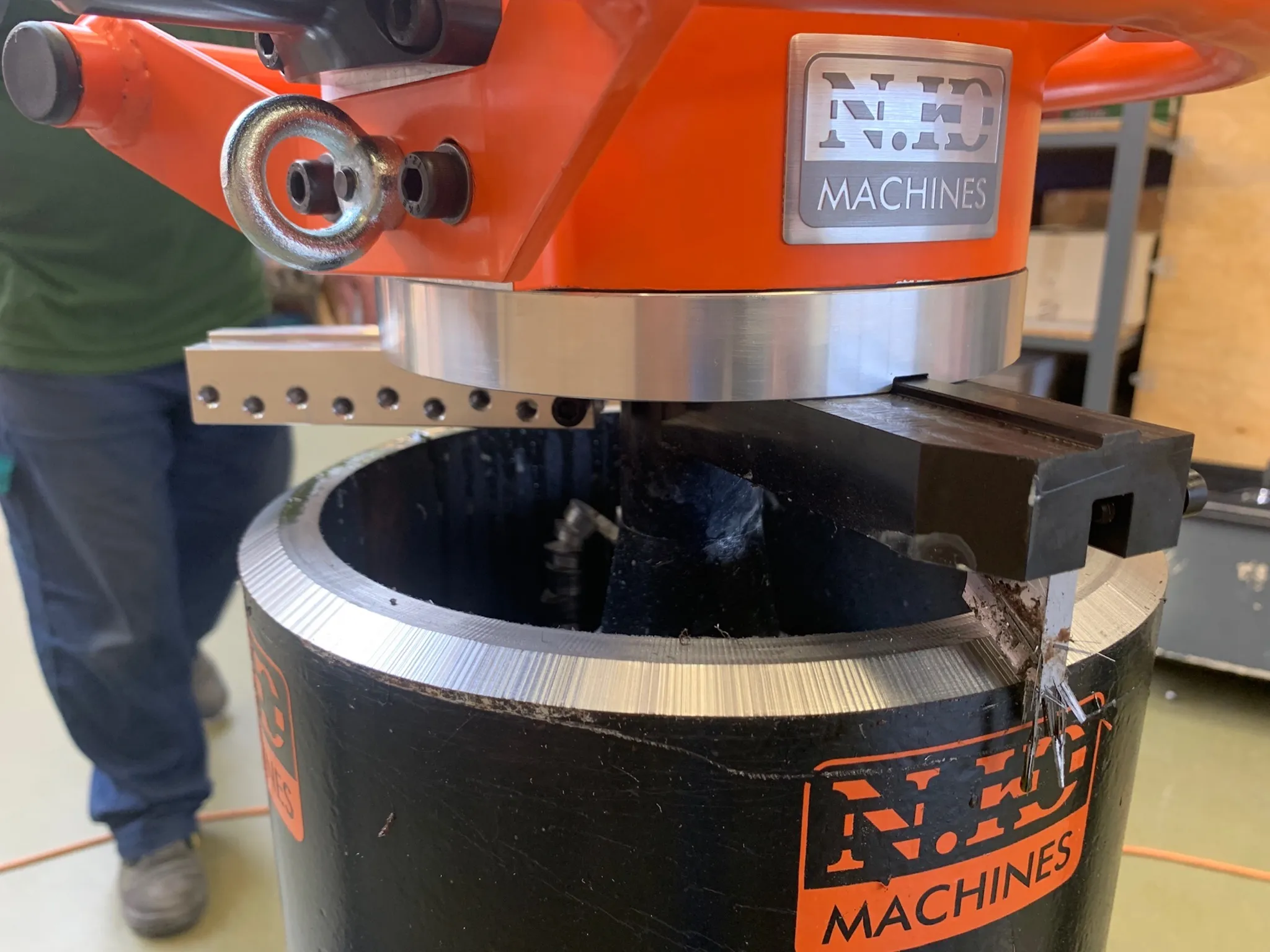
Machined beveling ensures precise geometry, clean surfaces and repeatability, independent of operator variability.
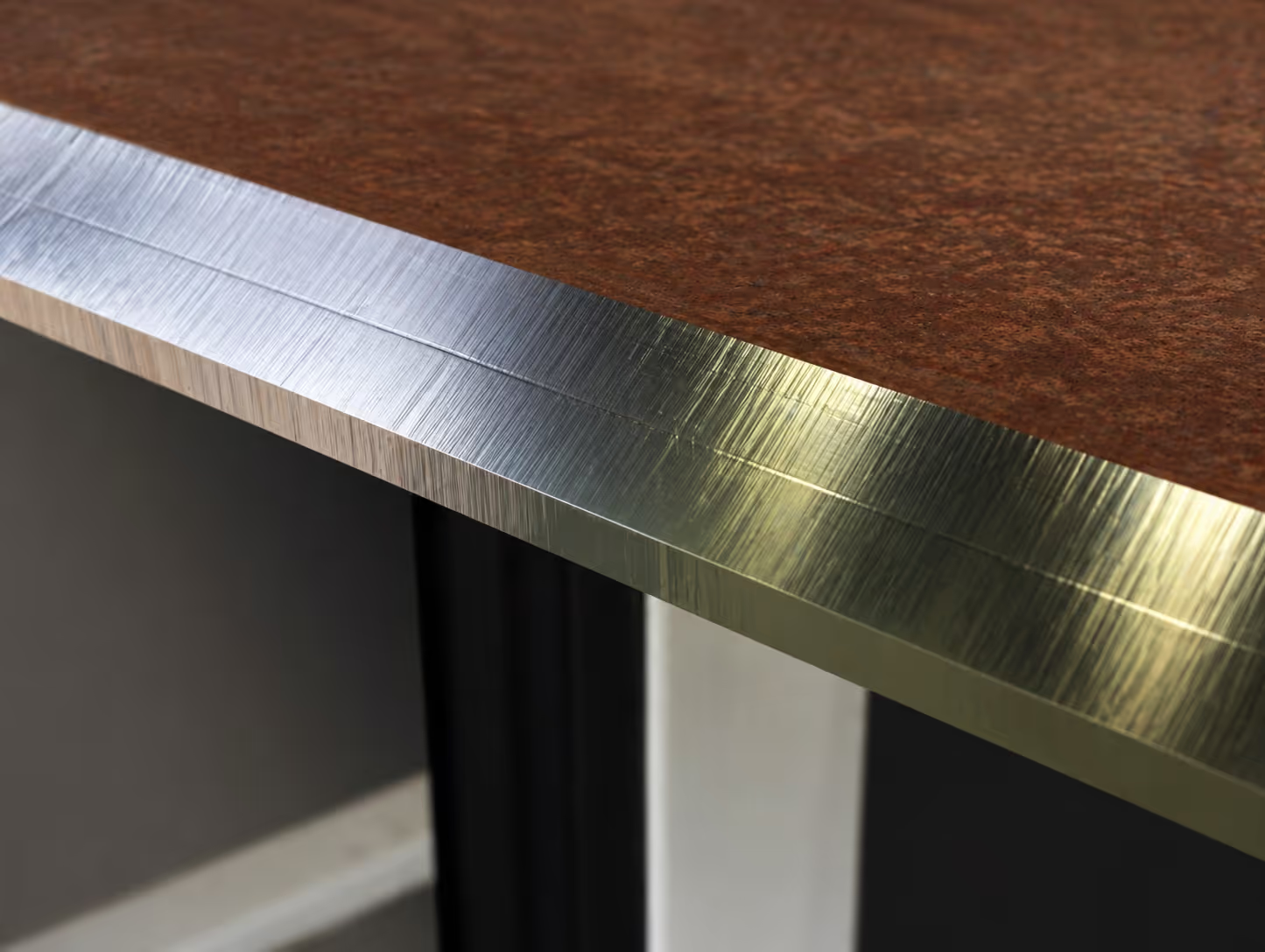
Machined preparation delivers consistent, standard-compliant geometry across all parts.
This reduces uncertainty and supports reliable execution at the highest certification levels.

Imprecise bevel geometry leads to incomplete penetration, inclusions or weld irregularities.
Machined preparation significantly improves first-pass acceptance rates during NDT inspections.
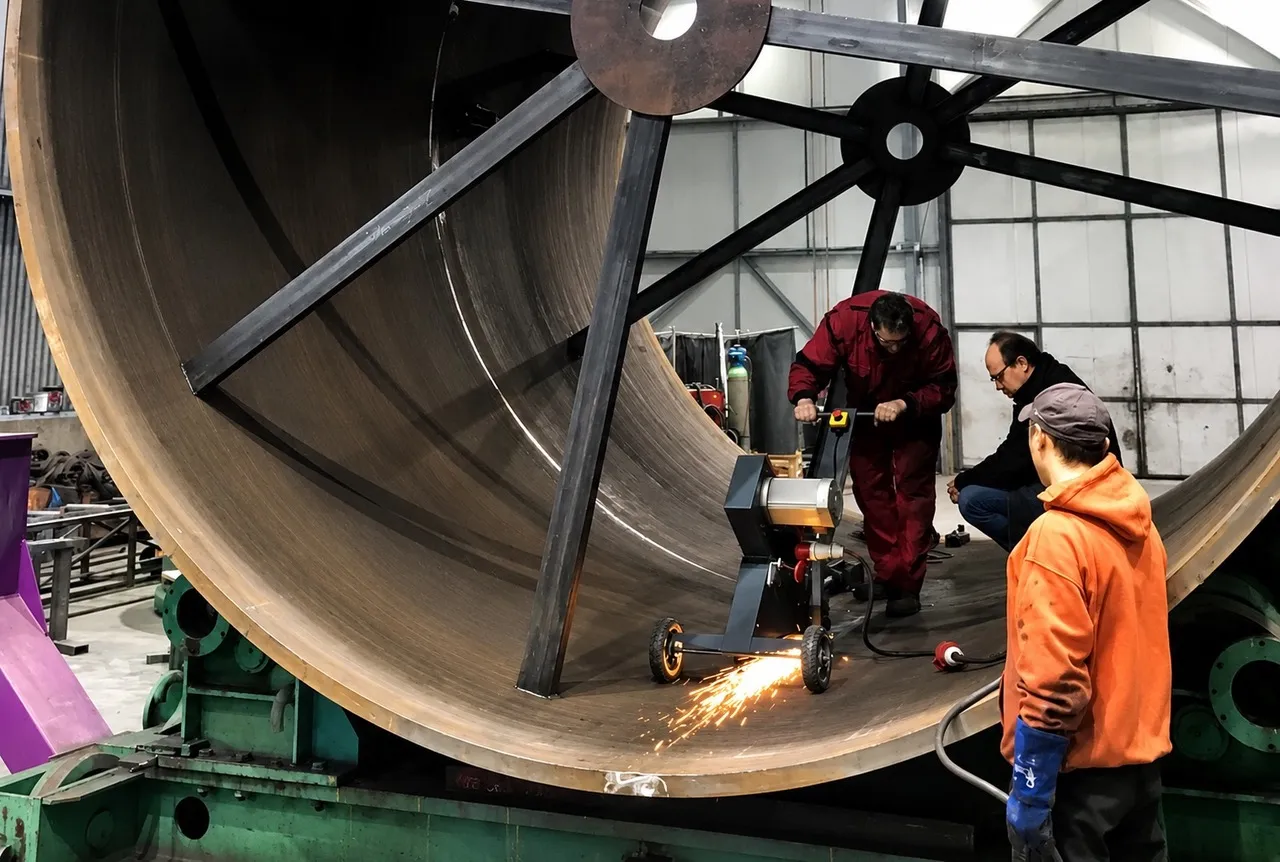
Bridge structures often involve thick plates, orthotropic decks or tubular joints. Machined beveling handles these demanding geometries reliably and consistently
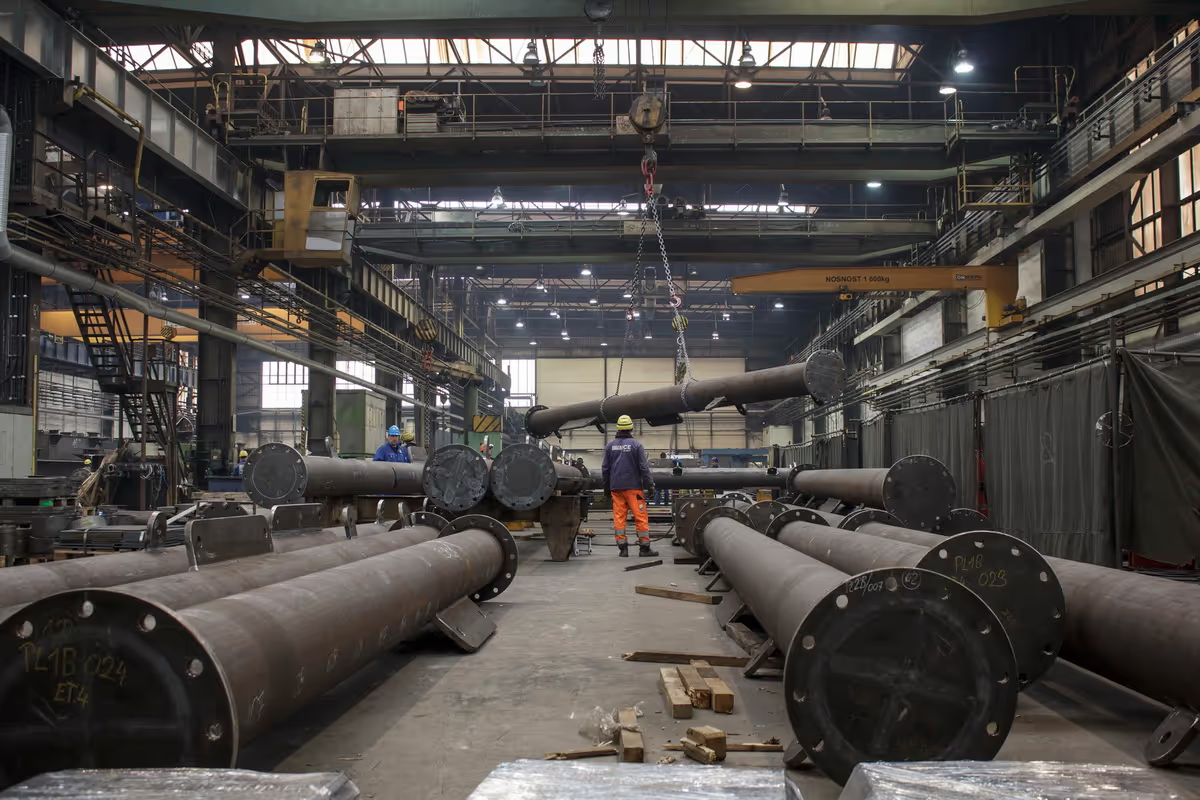

Modern bridge fabrication increasingly uses automated welding systems. These systems depend on consistent joint geometry, which manual preparation cannot guarantee.
Bridge projects require full traceability and documentation of production processes. Machined beveling provides a repeatable, auditable process that supports inspections and certification.
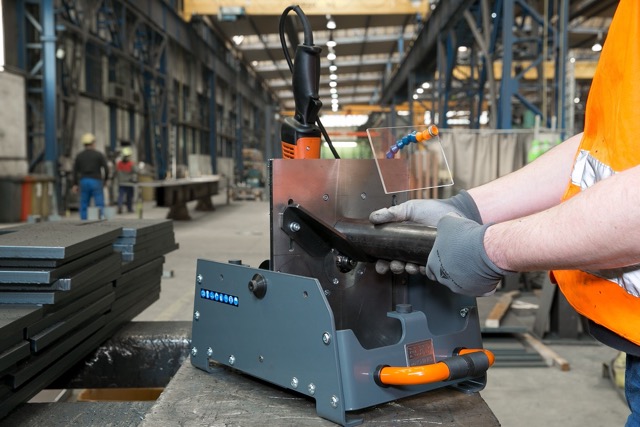
Sie alle arbeiten unter den gleichen Bedingungen: strenge Zertifizierungsanforderungen, enge Fristen und hohe Verantwortung für die langfristige Leistungsfähigkeit.
.avif)